
Top 10 Home Remedies For Common Pet Health Problems
Updated: April 8, 2026
Top 10 Home Remedies for Common Pet Health Problems
When it comes to taking care of our beloved pets, ensuring their health and well-being is a top priority. While regular visits to the vet are essential, some minor health issues can often be addressed with simple home remedies. In this article, we will explore the top 10 home remedies for common pet health problems, enabling you to provide your furry friends with the care they deserve right from the comfort of your home.
1. Flea Infestation
Fleas are a common nuisance for both cats and dogs. They can cause itching, discomfort, and even lead to more severe skin conditions if not addressed promptly. One effective home remedy for fleas is using a mix of apple cider vinegar and water. Simply dilute one part vinegar with one part water and spray it onto your pet’s coat. This solution helps repel fleas without the use of harsh chemicals. Additionally, regularly vacuuming your home and washing your pet’s bedding can help control and prevent flea infestations.
2. Ear Infections
Ear infections are another prevalent issue in pets, especially in dogs with floppy ears. A natural solution involves using a mixture of equal parts water and hydrogen peroxide. Gently clean your pet’s ears with this solution using a cotton ball. However, it is crucial to avoid inserting anything deep into the ear canal. Consistent cleaning can help prevent ear infections and keep your pet’s ears healthy.
3. Upset Stomach
Pets, like humans, can experience an upset stomach due to various reasons such as dietary changes or stress. A simple remedy for relieving an upset stomach in dogs is feeding them a bland diet consisting of boiled chicken and rice. This diet is gentle on the stomach and helps soothe digestive discomfort. Additionally, providing small amounts of pumpkin puree can aid in digestion due to its high fiber content.
4. Itchy Skin
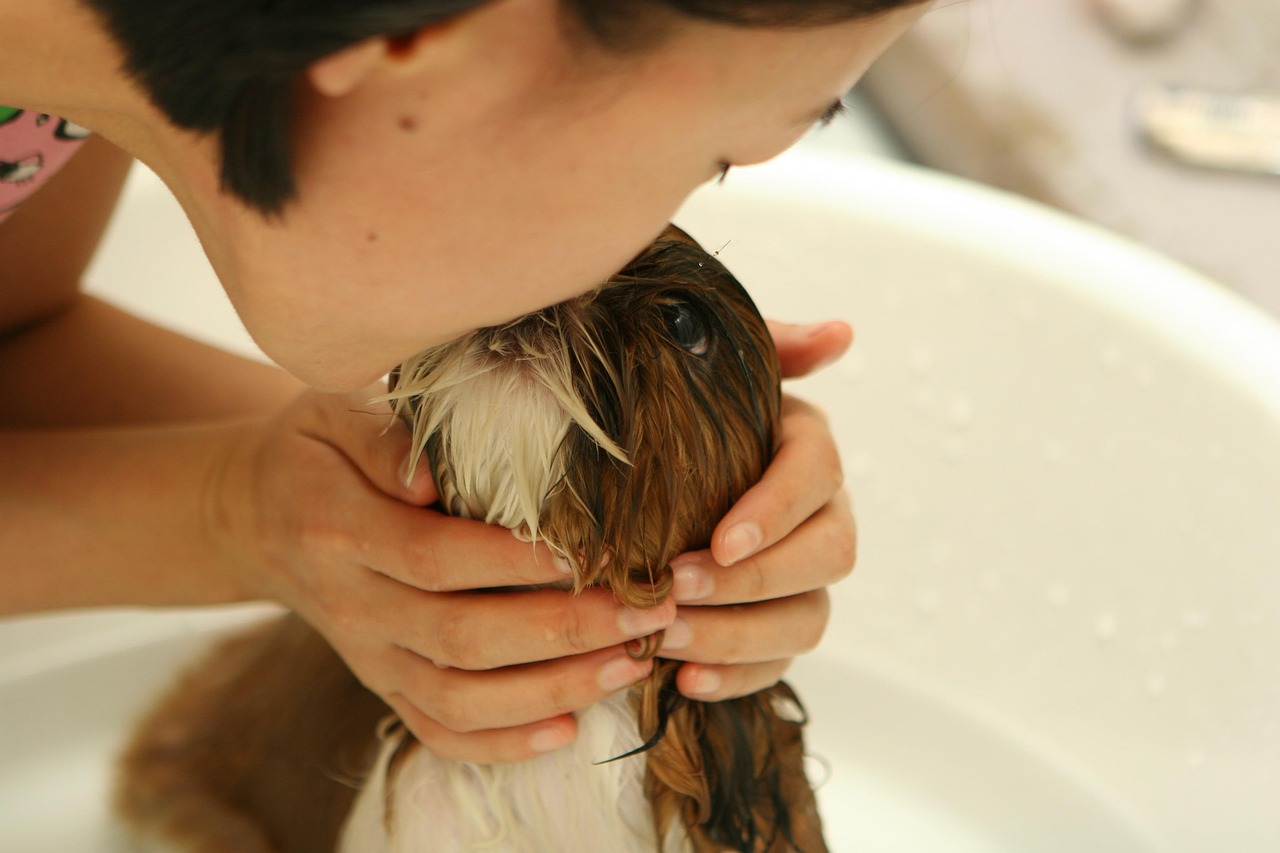
Itchy skin can be caused by allergies, dry weather, or insect bites. A soothing oatmeal bath can provide relief for your pet. Grind plain oatmeal into a fine powder and mix it with warm water to create a paste. Apply the paste to your pet’s skin and let it sit for about 10 minutes before rinsing off. Oatmeal is known for its anti-inflammatory properties, which can help reduce itching and irritation.
5. Bad Breath
Bad breath in pets can be a sign of dental issues or poor oral hygiene. Regularly brushing your pet’s teeth is essential, but you can also use coconut oil for a natural remedy. Rub a small amount of coconut oil on your pet’s gums and teeth. Coconut oil has antimicrobial properties that can help fight bacteria and freshen breath. Additionally, providing dental chews can aid in maintaining oral health.
6. Obesity
Obesity is a growing concern among pets and can lead to severe health problems. To help manage your pet’s weight, consider incorporating more physical activity into their daily routine. Simple activities such as walking, playing fetch, or using puzzle toys can help burn calories. Additionally, feeding your pet a balanced diet with appropriate portion sizes is crucial for weight management. Avoid feeding table scraps or high-calorie treats.
7. Anxiety
Pets can experience anxiety due to various factors such as separation, loud noises, or changes in their environment. A natural remedy for anxiety is using lavender essential oil. Place a few drops on your pet’s bedding or use a diffuser to create a calming environment. Additionally, providing a safe space for your pet and maintaining a consistent routine can help reduce anxiety levels.
8. Minor Cuts and Scrapes
Active pets are prone to minor cuts and scrapes. To treat these injuries, clean the affected area with warm water and mild soap. Apply a small amount of coconut oil or aloe vera gel to promote healing and prevent infection. Both coconut oil and aloe vera have antibacterial properties that can aid in the recovery process. Ensure your pet does not lick the treated area to avoid further irritation.
9. Shedding
Excessive shedding can be a concern for pet owners, especially during changing seasons. Regular grooming and brushing can help control shedding by removing loose fur. Additionally, adding omega-3 fatty acids to your pet’s diet can promote a healthy coat and reduce shedding. Foods rich in omega-3s, such as fish oil or flaxseed, can be beneficial for maintaining your pet’s skin and coat health.
10. Arthritis
As pets age, they may develop arthritis, leading to joint pain and reduced mobility. To alleviate symptoms, consider providing a comfortable bed with adequate support. Adding turmeric to your pet’s diet can also help due to its anti-inflammatory properties. Moreover, gentle exercises like swimming can improve joint flexibility and strength without putting too much stress on the joints.
Takeaways
Caring for your pet’s health is an integral part of being a responsible pet owner. While home remedies can be effective for minor health issues, it is crucial to consult a veterinarian for persistent or severe conditions. By staying informed and proactive, you can ensure that your pet remains healthy and happy for years to come. Always prioritize your pet’s well-being and never hesitate to seek professional advice when needed.
Remember, each pet is unique, and what works for one may not work for another. It’s essential to monitor your pet’s reactions to any home remedy and discontinue use if any adverse effects occur. Additionally, some remedies might interact with medications your pet is already taking, so it’s always a good idea to discuss any new treatments with your veterinarian. Taking a holistic approach to pet care, combining the benefits of medical science with natural remedies, can offer a balanced path to optimal pet health.

Incorporating preventive measures can also significantly impact your pet’s health. Regular check-ups, a balanced diet, and ensuring your pet gets enough exercise and mental stimulation can prevent many health issues from arising in the first place. Educating yourself about pet health and staying attentive to any changes in behavior or physical condition are key components of responsible pet ownership.
Moreover, some pets may require more specific care depending on their breed, age, and health history. For example, certain breeds are more susceptible to specific conditions, and as such, might benefit from targeted home remedies or lifestyle adjustments. Collaborating with your vet to understand these nuances can help tailor a more effective health care regimen for your pet.
Ultimately, the bond we share with our pets is built on love, trust, and care. By being proactive and knowledgeable about home remedies and general pet health, we can enhance their quality of life and ensure they stay by our side as happy and healthy companions. Whether it’s a simple dietary change, a relaxing bath, or a comforting massage, the effort you put into your pet’s health directly translates into a longer, healthier, and more fulfilling life together.
For further reading on pet health and care, you can explore resources like the Humane Society and other reputable pet care organizations. These platforms offer a wealth of information, from nutritional advice to behavior management tips, helping you become the best pet parent you can be.

As a final note, always prioritize your pet’s safety and comfort when trying home remedies. Start with small doses or applications, observe your pet’s response, and be patient. Your attentiveness and care can make all the difference in maintaining their health and happiness. With the right balance of professional veterinary care and thoughtful home remedies, your pet can enjoy a vibrant and joyful life.
In addition to the remedies mentioned, there are various lifestyle adjustments and preventative measures you can incorporate to support your pet’s health:
Regular Exercise
Exercise is vital for maintaining your pet’s physical and mental health. Regular activities such as walks, playtime, or agility training can help manage weight, reduce anxiety, and enhance cardiovascular health. Tailor the exercise routine to your pet’s age, breed, and energy level. For example, a high-energy breed like a Border Collie may require more vigorous activities compared to a more sedentary breed like a Bulldog.
Balanced Nutrition
A balanced diet is fundamental for your pet’s overall well-being. Ensure their diet contains the right mix of proteins, fats, carbohydrates, vitamins, and minerals. Consult with your veterinarian to determine the best diet plan tailored to your pet’s specific needs. Introduce healthy treats such as carrots or apples, but always in moderation to avoid overfeeding.
Hydration
Proper hydration is often overlooked but is crucial for your pet’s health. Always provide fresh, clean water and monitor your pet’s water intake. Dehydration can lead to serious health issues, so be vigilant, especially during hot weather or after exercise. Consider using a pet water fountain to encourage regular drinking.
Grooming and Skin Care

Regular grooming helps maintain your pet’s coat and skin health. Brushing removes dirt, prevents matting, and distributes natural oils, keeping the coat shiny and healthy. Additionally, inspect your pet’s skin regularly for any signs of irritation or parasites. Bathing should be done as needed, using pet-friendly shampoos to avoid skin dryness.
Mental Stimulation
Mental stimulation is as important as physical exercise. Engage your pet with interactive toys, training exercises, and puzzle feeders. This not only prevents boredom but also strengthens the bond between you and your pet. Training sessions are a great way to stimulate your pet’s mind while reinforcing positive behaviors.
Regular Veterinary Check-Ups
While home remedies and preventative care are essential, regular veterinary check-ups are irreplaceable. These visits allow for early detection of potential health issues and ensure your pet receives necessary vaccinations and treatments. Discuss any concerns or observations with your vet to tailor a health plan that best suits your pet’s needs.
By combining these lifestyle practices with the home remedies discussed, you can create a comprehensive approach to caring for your pet. Remember, every pet is unique, and it may take some time to find the perfect balance of remedies and routines that work best for them. Your dedication and love are the most critical components in enhancing your pet’s quality of life.
To keep learning about effective pet care strategies, you may want to visit educational resources such as the PetMD, which offers a wide range of articles and expert advice on pet health issues.
In conclusion, being well-informed and proactive in your pet’s health care can prevent many common health problems and ensure they lead a happy, healthy life. By integrating these home remedies with professional veterinary care, you can provide the best possible environment for your furry friend. Your efforts can lead to a stronger, healthier bond and many joyful years together.