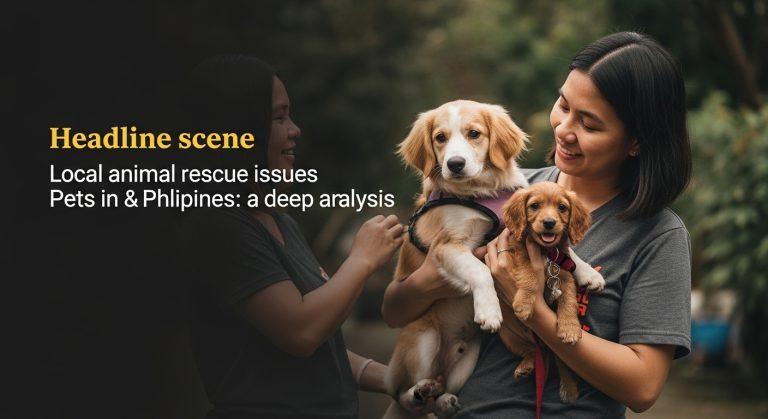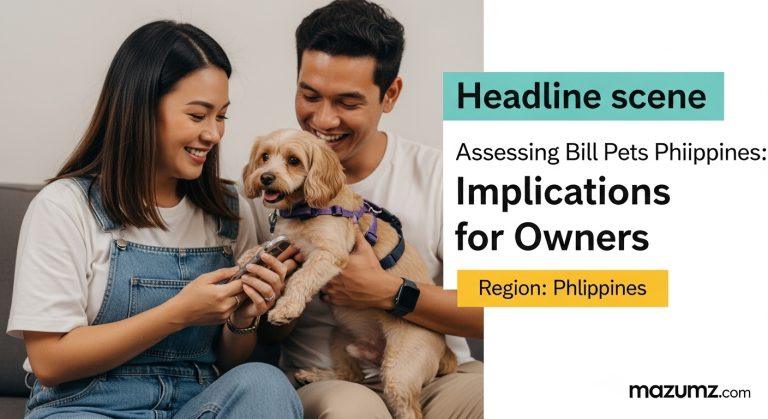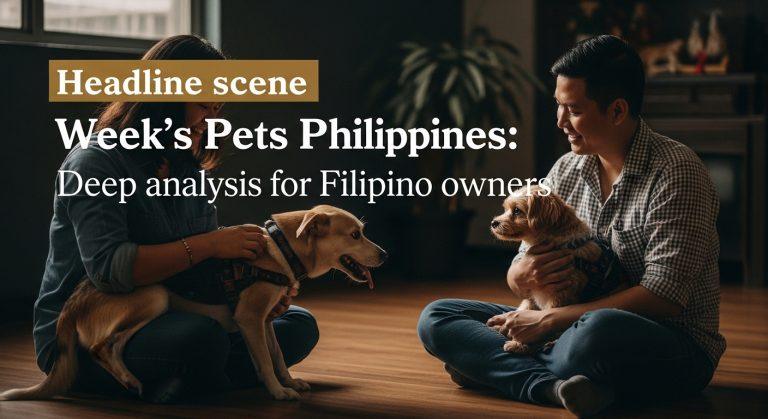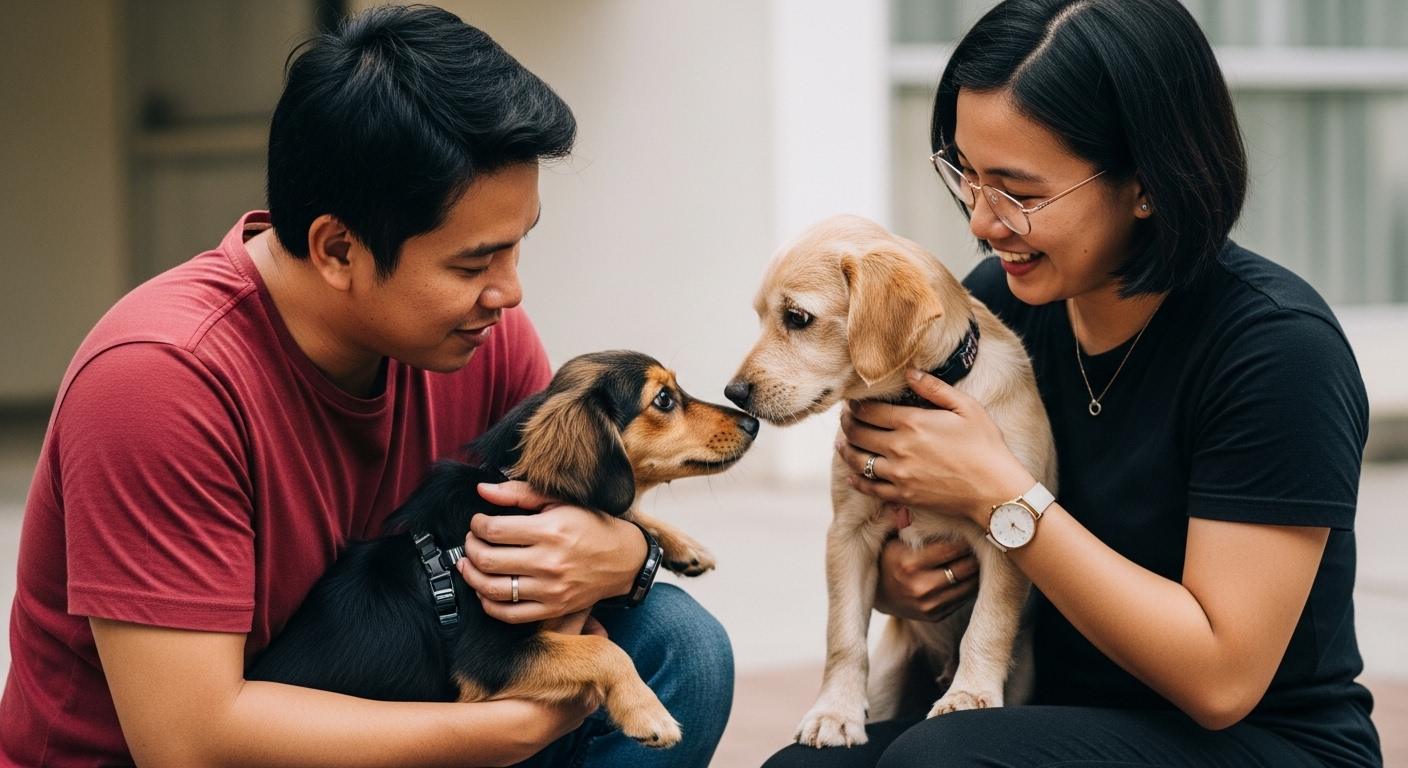
Filipino households caring for pets across urban and rural Philippines.
Updated: April 8, 2026
Across urban barangays and rural towns, the story of animals Pets Philippines sits at the intersection of family life, local economies, and disaster resilience. Pet ownership is increasingly visible in city sidewalks, clinics, and social media threads, yet it remains tied to broader questions about animal welfare, access to veterinary care, and the capacity of communities to protect their companions when storms and floods strike. This analysis explores not only how households care for dogs, cats, and other companion animals, but also how policy, civil society, and everyday behavior converge to shape outcomes for both people and their animals. By examining trends, vulnerabilities, and practical improvisations across the archipelago, we aim to anchor a deeper conversation about responsible ownership, humane treatment of animals, and the public value of investing in pet welfare across the Philippines.
The Growing Landscape of Pet Ownership in the Philippines
Pet ownership has expanded as urbanization progresses and middle-class incomes rise, yet the Philippines remains a country where informal networks often determine how animals are acquired, cared for, or relinquished. The spectrum ranges from households with dogs and cats in apartment blocks to rescue groups that shelter stray animals in rural municipalities. This diversity presents opportunities for community-based welfare initiatives, but it also strains veterinary clinics, shelters, and dog pounds that serve dense urban centers and remote provinces alike. Local governments are increasingly introducing licensing, vaccination requirements, and responsible ownership guidelines, but enforcement varies widely and depends on resources, training, and public awareness. In practice, many Filipinos rely on rescue groups, parishes, and neighborhood volunteers to care for animals, while mobile clinics and vaccination drives help reach underserved areas. The result is a patchwork system where sustained progress hinges on collaboration among veterinarians, breeders, rescue organizations, barangay officials, and ordinary residents who treat animals as family members and social partners. The policy signal is clear: ongoing investment in preventive care, humane education, and accurate data on pet populations can reduce disease risk, curb stray concerns, and improve daily life for households that depend on animals for companionship and emotional well-being.
Health, Welfare, and Preparedness for Pets
Health and welfare for pets in the Philippines hinge on access to vaccines, affordable veterinary care, and reliable information about how to care for different species. Rabies vaccination remains a cornerstone of public health, while routine wellness visits and preventive parasite control reduce common ailments that affect both pets and families. In rural areas where contact with livestock is more frequent, surveillance for contagious diseases and clear biosecurity practices help protect households without stigmatizing animals. Spay and neuter programs, microchipping, and responsible ownership education contribute to long-term welfare by reducing unwanted litters and helping reunite lost pets with owners. Beyond clinics, communities are experimenting with local shelters, pet foster networks, and neighborhood watch groups that share resources and expertise. Preparedness for natural hazards—typhoons, floods, and power outages—also matters: households that plan for transport, keep emergency food and water stocked, and designate a safe carrier or crate can safeguard pets when reaction times are tight and shelters are overwhelmed. These dynamics collectively shape how households balance affection for animals with practical constraints such as income, housing type, and access to care.
Policy, Community, and Responsibility
Policy reality in the Philippines reflects a mix of national guidelines and local realities. Some cities and provinces push for stricter licensing, dog-licensing reforms, and mandatory vaccination records, while others emphasize humane treatment and community education as the first line of defense against stray populations and neglect. Civil society groups—rescues, veterinarians, and volunteers—play a crucial role in bridging gaps between policy and daily life, often coordinating adoption drives, vaccination campaigns, and care-for-life arrangements for senior pets. A practical frame for policy is scenario planning: how would a major typhoon affect a neighborhood with many elderly dogs or a community cat population that relies on consistent food sources? In such cases, evacuation plans, pet-friendly shelters, and clear caregiver arrangements become part of urban resilience. For Filipino households, responsibility extends beyond personal welfare to fair treatment of animals in shared spaces, humane treatment in public policy, and accountability for those who neglect or mistreat animals. The result is a developing ecosystem where policy, community action, and personal choices reinforce a safer, more compassionate environment for all companions.
Actionable Takeaways
- Vaccinate and register pets where local ordinances require it; keep vaccination records accessible and up to date.
- Microchip pets and maintain current ID information to improve reunification after separation or disasters.
- Support spay/neuter programs to reduce future stray populations and improve overall welfare.
- Prepare a pet emergency kit and establish an evacuation plan that includes carriers, food, water, and medications.
- Designate a caregiver or buddy system within your community to ensure pets are cared for during emergencies or when you travel.
- Engage with reputable rescue groups and shelters; consider adoption as a pathway to provide a home for a deserving animal.
- Advocate for local licensing reforms and better access to affordable veterinary care in underserved areas.