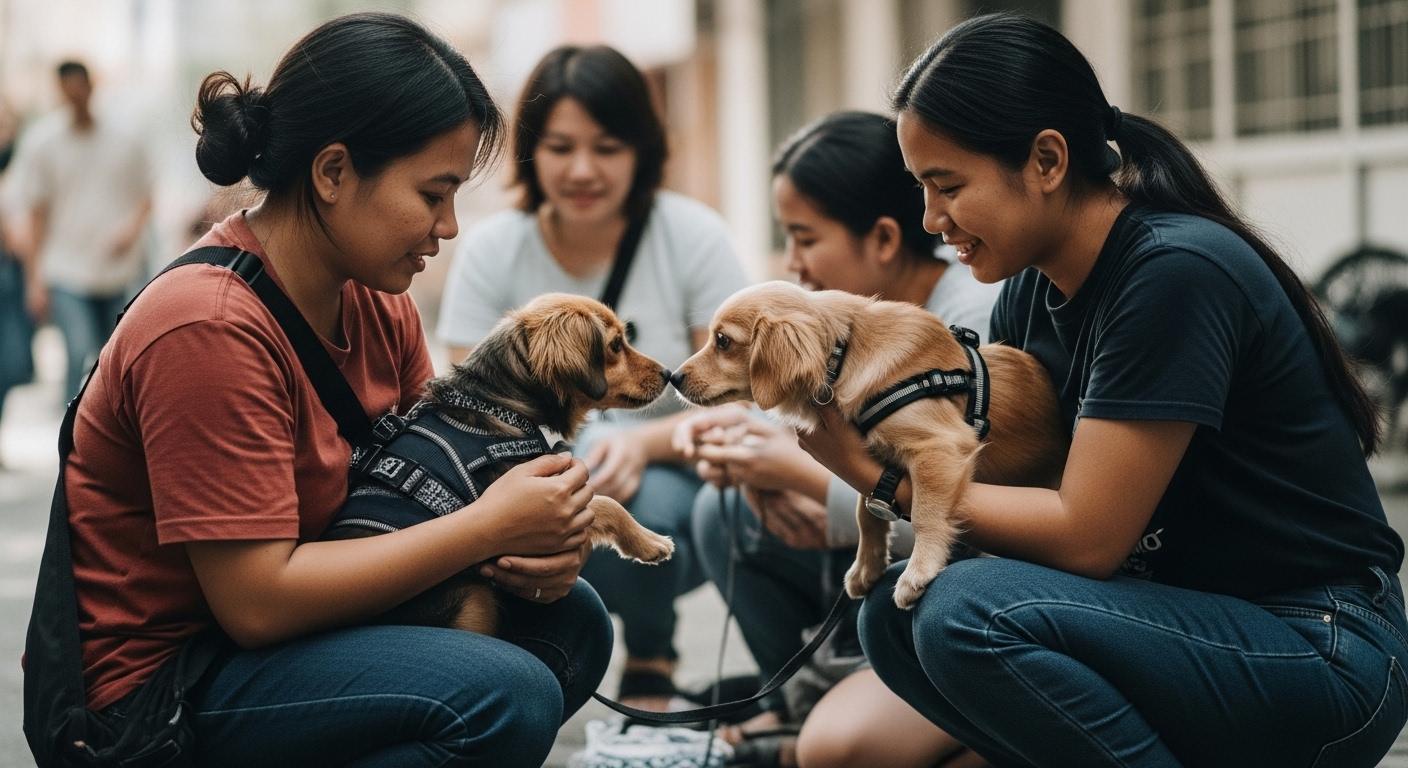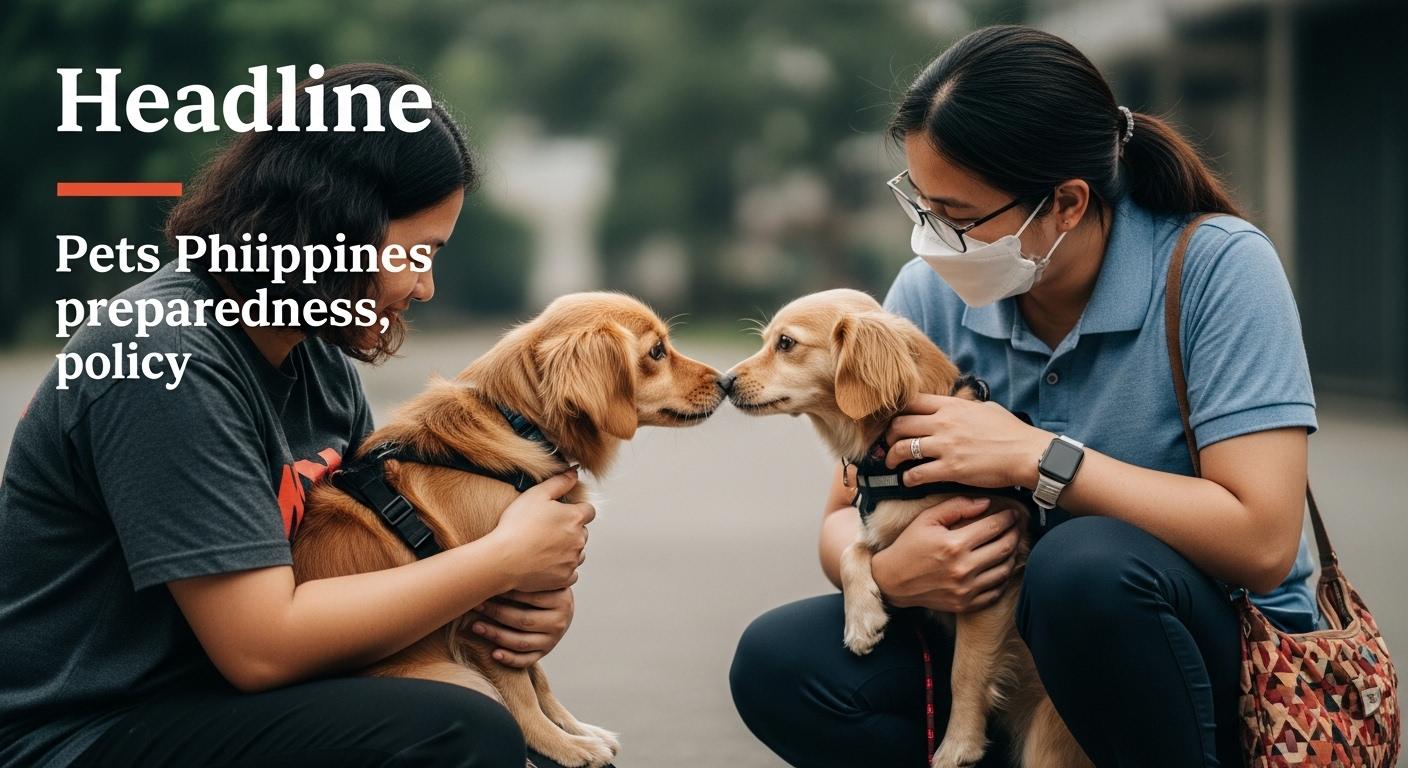
Pet evacuation in the Philippines with volunteers assisting animals during disaster
Updated: April 8, 2026
Across the Philippines, pets Pets Philippines are more than companion animals; they anchor households through crises and routine. As typhoons threaten coastlines, urban fires flare, and heat and floods reshape daily life, the welfare of these animals becomes a barometer for how communities prepare and adapt. This analysis looks beyond grooming tips and pet food into the systems that keep pets safe— from evacuation planning and shelter capacity to local policies and community networks that mobilize when danger arrives. The aim is practical clarity: what households, local governments, and civil society can do now to reduce risk and improve outcomes for pets during emergencies.
The risk landscape for pets in the Philippines
The archipelago’s vulnerability to climate-related hazards means pets often face the same dangers as their human families—flooding from sudden tropical downpours, storm surges along coastlines, and fires sparked by heat, faulty wiring, or crowded living conditions. In dense urban settings, evacuations can be chaotic, and pets may be left behind if there is no preplanned pathway for their safety. Public messaging frequently centers on people, yet responsible households understand that a crisis does not pause care for animals. In practice, this translates into owners weighing shelter proximity, transportation limitations, and the ability to secure medication, food, and identification for pets during a crisis. Local realities—such as uneven access to veterinary care, variable shelter capacity, and the logistical burden of moving large animals—compound the challenge. Observers note that emergencies frequently reveal gaps not in affection for animals, but in the infrastructure that keeps them safe when humans must prioritize life-safety decisions under stress.
Beyond weather, urban hazards—short-circuit risks, improper storage of chemicals, and crowded tenement layouts—pose ongoing threats. Responsible pet ownership in the Philippines increasingly involves anticipating separation from home, ensuring reliable identification, and planning for rapid reunification with family members. The broader context also includes community-level responses: volunteers, rescue teams, and neighbors who coordinate to retrieve, transport, and shelter pets when formal systems lag. The scale of need can grow quickly, and a lack of standardized protocols across municipalities can hinder timely action. In short, the risk landscape for pets is inseparable from the social, logistical, and policy environment in which families live and work.
Pet preparedness in the face of disasters
Preparedness begins with practical routines that survive the stress of an emergency. Key steps include maintaining up-to-date identification (microchips or collars with readable IDs), assembling a portable pet evacuation kit containing food, water, medications, a harness or carrier, and a familiar comfort item, and developing a family plan that designates a primary and a secondary caregiver for each animal. In multi-pet households, the plan should account for differences in needs—cats, reptiles, birds, and larger dogs all require different transport and sheltering considerations. A critical operational practice is simulating drills at least annually, so both humans and animals learn to respond without panic when a real alarm sounds.
Access to safe transport is a persistent barrier in some communities. Not all carriers fit into public transit or small tricycle rides typical in many towns, which means solutions must be adaptable: stackable carriers, space-efficient crates, or even portable soft-sided units can enable quick movement. Pet owners who document their animals’ medical histories, vaccination status, and behavioral notes can expedite reception at shelters or clinics if separated during an evacuation. Communities can also encourage photoboard identification and sharing of pet whereabouts via local networks. These practices reduce confusion at a moment when every minute matters.
Another practical dimension is the continuity of care. Chronic conditions require uninterrupted medication and access to veterinary guidance, which means households may need a 30-day supply of essential meds and a plan for refills during crises. For pet owners in the Philippines, where access to veterinary services may vary by region, linking with mobile clinics and local NGOs can provide a bridge to continuity of care, especially in remote or disaster-affected areas. Preparedness is therefore both a personal habit and a community asset—one built from reliable gear, clear routines, and accessible support networks.
Public policy and shelters
Policy frameworks shape how well communities can protect pets during disasters. There is growing recognition that pet welfare and human safety intersect: when pets are prioritized in evacuation plans, households are more likely to evacuate promptly rather than delay for fear of abandonment or loss. This reality calls for deliberate investments in pet-friendly shelters, personnel trained to handle various species, and cross-sector coordination among local government units, veterinary associations, and animal welfare groups. Where resources are limited, policy design should emphasize scalable solutions—such as shared shelter spaces, partnerships with privately run facilities, and standardized intake procedures that can be deployed quickly across municipalities.
Additionally, insurance-like models and government subsidies could alleviate the financial burden of pet care during disasters, encouraging families to prepare and maintain necessary supplies rather than postpone critical steps. Public communication campaigns should demystify the process of bringing animals into shelters, clarifying what documentation is needed and how owners can retrieve their pets post-crisis. While the Philippines faces diverse municipal capacities, a clear, nationwide framework for animal evacuation and sheltering could dramatically improve outcomes, reduce animal suffering, and shorten reunification timelines for families.
Community resilience and technology
Community networks have proven essential when formal systems lag. Local volunteers, neighborhood groups, and online platforms often coordinate ad hoc rescues, share transport routes, and disseminate real-time shelter availability. Technology—ranging from microchip registries to location-sharing apps—can accelerate reunifications and minimize misplacement. A resilient ecosystem also means maintaining supply chains for pet food and medicine during emergencies, ensuring that shelters can sustain animals for extended periods, and providing spaces where pets and people can recover together after a crisis. In the Philippines, where disaster risk is seasonally pronounced, integrating community-led rescue capacity with official disaster-management plans is a practical path forward. This integration requires training, funding, and governance that recognizes animals as part of the household unit in hazard situations.
Ultimately, resilience is built through anticipation and collaboration. Local councils, veterinary schools, and civil-society groups can co-develop protocols for joint exercises, standardized intake and triage in shelters, and shared data about pet populations in high-risk areas. When communities invest in such coordination, the result is not only fewer lost pets but faster, more humane responses that reduce fear and trauma for both animals and their human families.
Actionable Takeaways
- Create a pet evacuation kit with at least 72 hours of food, water, medications, a leash or carrier, a muzzle if needed, and a familiar comfort item for each animal.
Source Context
- KTEN: Pets perish in a Fannin County fire (source note for comparative wildfire-pet safety dynamics)
- SunStar: Arroyo Compound demolition and pet safety during crisis
- Rome Sentinel: Three displaced, pets killed in a basement fire