How To Choose The Perfect Lifestyle Products For Your Pet
Updated: April 8, 2026
In the Philippines, a quiet transformation is reshaping how households treat pets. This analysis of featured Pets Philippines examines not only affection and companionship but the practical realities that decide whether a dog, a cat, or other companion thrives—from access to vaccines and veterinary care to the economics of daily maintenance and the ethics surrounding pet trade. The frame is local, but the questions are universal: how do communities balance care, affordability, and welfare in a rapidly urbanizing society?
Local context: pet ownership in the Philippines
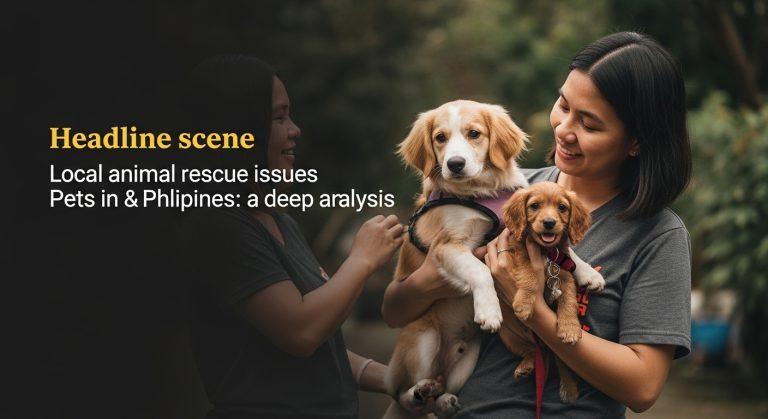
Across Philippine cities and towns, pet ownership has become more visible in public spaces, social media, and neighborhood networks. The expansion of apartments with pet-friendly policies, the rise of urban agriculture and lifestyle trends, and the increasing integration of pets into family life contribute to a broader, more normalized view of animal companions. Yet this shift carries complexities. Adoption campaigns and rescue groups highlight a surge in demand for trained, socialized pets, while households report budgeting concerns that shape choices about breed, size, and care routines. The result is a nuanced portrait: many Filipinos view pets as members of the family, but practical constraints—time, space, and income—continue to influence daily decisions, from feeding habits to routine healthcare.
In this context, the role of community networks becomes critical. Local clinics, barangay health programs, and informal pet-care cooperatives often serve as frontline support for owners who might otherwise delay preventive care. These networks can create a feedback loop: visible, trusted care options encourage regular visits, which in turn normalize preventive health as a standard part of pet ownership rather than a crisis-driven expense. The broader social fabric—families, neighbors, and micro-entrepreneurs—thus helps determine not only whether a pet remains healthy but whether owners sustain the long-term commitment that responsible ownership requires.
Healthcare access: vaccination clinics and preventive care
Access to veterinary services and preventive care remains a central hinge in the Philippine pet ecosystem. Clinics clustered in urban centers offer vaccination, parasite control, and wellness checks, yet service gaps persist in rural areas and smaller municipalities, where travel time and costs frequently deter regular visits. Public health considerations intersect with pet care here: routine vaccination reduces the risk of zoonotic disease transmission, while preventive care practices such as deworming and dental care improve quality of life and longevity for pets. The emergence of mobile clinics and outreach programs helps bridge some gaps, delivering vaccines and basic treatments closer to communities that might otherwise forgo care due to distance or expense.
Affordability is a constant driver of behavior. Even where clinics are available, price sensitivity shapes decisions around which vaccines to pursue, how often to vaccinate, and whether curbside or self-service options are acceptable. Pet owners increasingly weigh the long-term cost implications of preventive care against the upfront price of treatments. This calculus has tangible outcomes: owners who prioritize regular check-ups typically report fewer emergency visits and better overall pet wellness, while those facing economic strain may postpone or skip non-urgent care, inadvertently heightening the risk of preventable illnesses becoming acute problems.
The information ecosystem matters as well. Pet health literacy—understanding vaccine schedules, recognizing early signs of illness, and knowing where to seek trustworthy care—varies widely. Community partnerships with veterinary schools, shelters, and non-governmental organizations can disseminate practical guidance, demystify veterinary processes, and offer tiered programs that make care more accessible to diverse households. In short, healthcare access for pets in the Philippines is not just a medical issue; it is a social one, shaped by geography, economics, and the quality of local networks that connect owners with care providers.
The pet economy: care, products, and consumer behavior
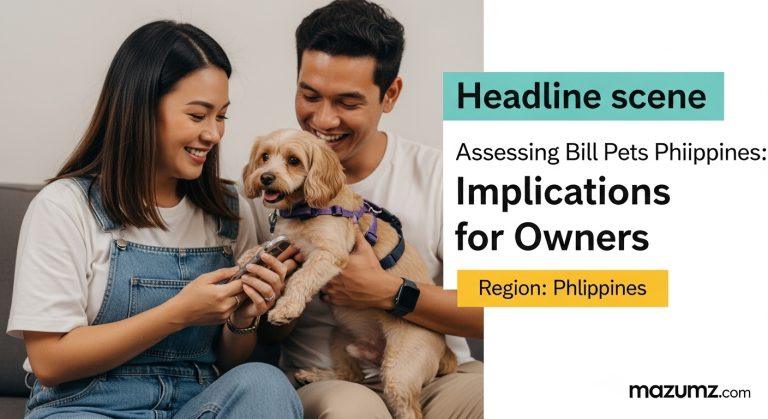
The market for pet care in the Philippines has grown alongside rising disposable incomes and an expanding online marketplace. Pet foods, grooming services, toys, and wellness products are now widely available, with urban consumers frequently seeking premium formulations, specialized diets, and branded preventive-care products. This expansion is not merely consumerism; it is a signal about shifting expectations—owners increasingly view pets as requiring structured care comparable to human family members. E-commerce platforms and social media play a pivotal role in shaping these expectations, accelerating access to information about nutrition, training, and health supplements while also influencing perceived value and willingness to pay.
From a business perspective, the pet ecosystem in the Philippines benefits from a diversified set of players: local retailers, pet cafes and gyms, mobile grooming services, and micro-entrepreneurs who run home-based clinics or mobile vaccination drives. This mosaic lowers barriers to entry for new service models and expands reach, particularly in underserved neighborhoods. Yet growth also raises questions about quality control, product safety, and equity. Branded assurance, veterinary-backed guidance, and transparent sourcing become differentiators in a crowded marketplace. For policymakers and advocates, this economy underscores the need for clear labeling standards, reliable information channels, and consumer protections that prevent misleading claims about pet health products or sponsorships that blur ethical lines between marketing and care.
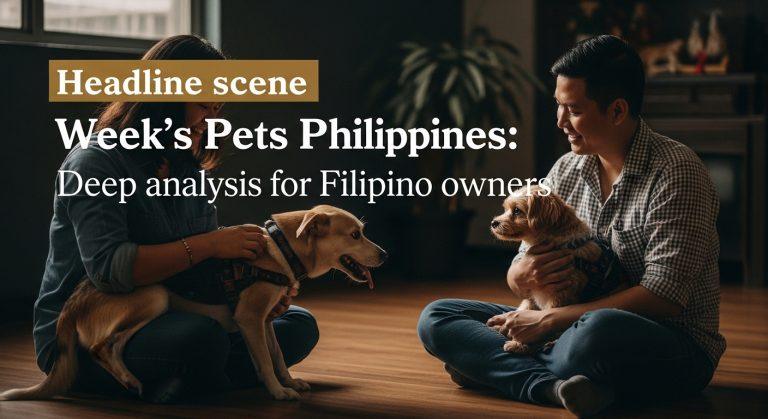
Beyond dollars and catalogs, the behavioral dimension matters. Cultural norms around pet ownership—such as perceptions of breed, temperament, and suitability for apartments—shape demand for certain types of animals and services. The rise of responsible ownership campaigns, emphasizing adoption, spay/neuter, and welfare-first philosophy, signals a maturation of the market: price signals alone cannot sustain long-term welfare without informed, ethical consumer choices that prioritize the pet’s well-being over trend-driven purchases.
Policy and responsible ownership: ethics, regulation, and biodiversity
Policy discourse around pets in the Philippines is increasingly intertwined with broader welfare and biodiversity agendas. Issues such as stray populations, shelter capacity, and humane management call for coordinated approaches that combine public messaging, licensing, and community-based programs. Spay/neuter initiatives, supported by public-private partnerships and NGO leadership, have shown potential to curb unwanted litters and reduce pressure on municipal shelters, while education campaigns aimed at responsible ownership can shift long-term attitudes toward veterinary care, humane treatment, and abandonment prevention.
At the same time, the ethics of pet ownership intersect with ecological concerns. As exotic or non-native species appear in pet markets, questions arise about welfare standards, quarantine, and potential impacts on local ecosystems. Policymakers and practitioners alike stress the importance of robust oversight, transparent supply chains, and accountability mechanisms that deter illegal trafficking and safeguard biodiversity. The Philippines benefits from a layered strategy that combines community engagement, veterinary expertise, and clearly communicated rights and responsibilities for pet owners. In this framework, ethical ownership is not a punitive mandate but a pragmatic path to healthier animals, happier families, and a more sustainable relationship between people and their animal companions.
Actionable Takeaways
- Prioritize vaccination and preventive care: schedule regular visits and seek mobile clinics when access is limited, especially in underserved areas.
- Support local shelters and community clinics: these entities provide affordable care and education that can lift overall pet welfare standards.
- Choose responsible ownership: consider adoption, understand care needs, and plan for long-term costs of food, healthcare, and enrichment.
- Promote transparent product information: prefer brands with clear labeling on ingredients, safety testing, and veterinary backing.
- Engage with policymakers and NGOs: advocate for humane stray management, accessible veterinary services, and education programs that improve pet literacy.
- Foster ethical consumer behavior: avoid impulse purchases driven by trends; prioritize welfare outcomes for animals and support sustainable market practices.