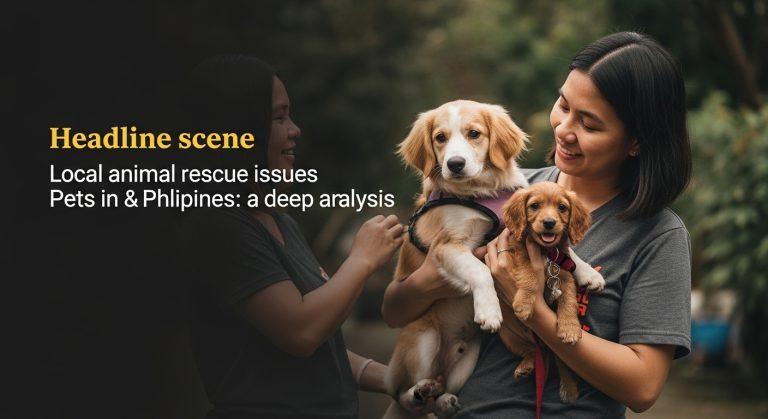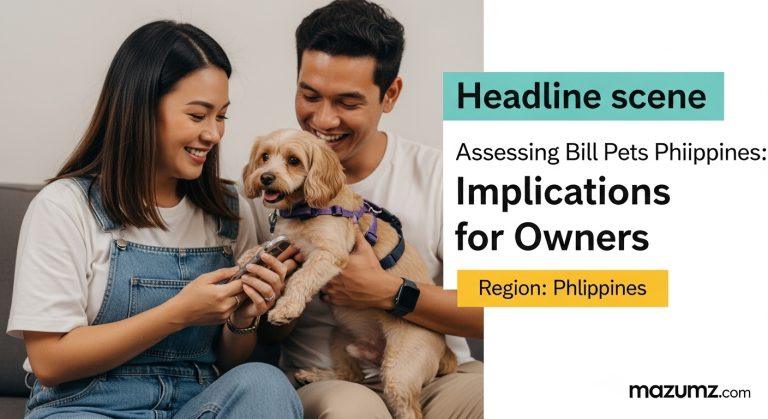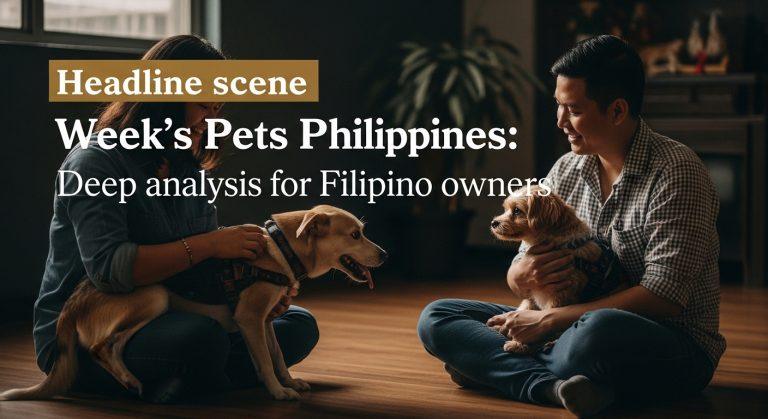
Filipino households caring for pets across urban and rural Philippines.
Updated: April 8, 2026
Across the Philippines, the concept of featured Pets Philippines in local media frames more than affection; it signals welfare, access to care, and the responsibilities of households in a nation where urban density, street economies, and environmental change intersect with everyday pet ownership.
The Philippines Pet Landscape in Focus
In major cities and provincial towns alike, pets are central to family life, yet the landscape is uneven. Many households prize companionship but face recurring barriers: elevated veterinary costs, limited clinics within reasonable distance, and inconsistent access to preventive care such as vaccines and parasite control. These gaps are not merely medical; they translate into economic decisions—whether to allocate scarce income to a pet’s routine care or to rely on informal, sometimes unreliable sources for treatment. NGOs and local governments are increasingly coordinating on barangay-level outreach, mobile clinics, and adoption drives, but coverage remains patchy, particularly in remote and economically disadvantaged areas. The result is a welfare puzzle: joyful everyday moments shadowed by structural challenges that influence how and when animals receive care.
Public storytelling around pets often emphasizes cuteness and resilience, yet responsible ownership requires durable infrastructure: affordable vaccines, accessible spay-neuter services, reliable nutrition, and community support networks. When media highlights only the photogenic side of pet ownership, it risks masking persistent inequities in care that compound over time. To understand the lived reality, one must connect anecdotes of affection with the systems—public health, veterinary education, shelter capacity, and policy design—that enable sustainable care for millions of companion animals in a country with varied geographies and incomes.
This analysis situates those conversations within a broader macro context: rapid urbanization, climate-related health risks for animals, and a robust online ecosystem where adoption narratives, product advice, and veterinary information circulate quickly. The Philippines’ pet welfare trajectory will hinge on aligning cultural practices with scalable, equitable care models that work across both highly urbanized zones and rural communities.
Vaccination and Access: Barriers and Solutions
Vaccination is a cornerstone of animal welfare, yet geographic and economic disparities shape who receives preventive care. Rabies prevention programs have historically driven public health improvements, but gaps persist in mobility between urban clinics and rural households. Mobile vaccination drives, subsidized vaccine programs, and community partnerships have shown promise in narrowing these gaps. Where clinics exist, operational hours, walk-in capacity, and language-appropriate outreach influence uptake as much as price. A practical path forward combines targeted subsidies with dependable scheduling, ensuring pet guardians can plan care without sacrificing daily needs such as food and housing.
Beyond vaccines, a holistic approach includes microchipping, parasite control, and owner education. Microchips improve reunification rates for lost pets and reduce shelter turnover by helping owners retrieve their animals. Yet microchipping programs require funding, registration infrastructure, and long-term maintenance. NGOs and local agencies are experimenting with bundled services—vaccination plus microchip travel cards, vaccination reminders via text messages, and community clinics integrated with shelter programs. These strategies create a more predictable care framework for families who might otherwise defer vaccines due to cost or access constraints.
Policy design matters. When urban planning accounts for pet-welfare infrastructure—clinic siting in public markets, targeted outreach in barangays with high stray populations, and data-driven monitoring of vaccination coverage—it becomes feasible to move toward more consistent care for companion animals. That alignment requires clear accountability, community buy-in, and sustained funding streams beyond episodic campaigns.
Urban Living, Stray Management, and Community Efforts
Urban environments concentrate both opportunity and risk for pets. High population density can mean better access to veterinary services, but it also increases competition for limited clinic slots and raises the stakes of pet welfare in households with uncertain financial stability. Stray populations—dogs and cats that roam, scavenge, or rely on informal feeding networks—pose complex welfare questions: sanitation, disease transmission, and safety for wildlife and people. Cities are experimenting with humane strategies, including trap-neuter-release (TNR) programs, shelter enhancement, and adoption corridors that connect stray animals with responsible homes. The success of these approaches depends on community engagement, political will, and transparent reporting of outcomes.
Local initiatives that empower communities to manage these issues often blend practical action with education. For example, barangay-led vaccination days paired with adoption events can reduce the number of animals repeatedly entering shelters, while improving the visibility of responsible ownership. Community volunteers, funded by local businesses or philanthropic grants, extend the reach of formal services by offering guidance on nutrition, basic healthcare, and the importance of spaying and neutering. The cumulative effect is a more humane ecosystem in which urban pets thrive and stray populations are managed rather than merely contained.
Technology, Media, and Responsibility: How Filipinos Engage with Pets
Digital platforms amplify both the joys and the challenges of pet ownership. Social media campaigns can accelerate adoptions and raise funds for clinics, while misinformation about care practices can spread quickly. Responsible engagement—sharing vetted veterinary guidance, promoting adoption through reputable shelters, and highlighting the welfare implications of pet ownership—helps balance entertainment with accountability. Telemedicine has begun to gain traction in parts of the country where travel to clinics is time-consuming or costly, offering remote triage and guidance that can reduce unnecessary trips and stress for animals.
For media professionals and community leaders, the responsibility is to tell stories that illuminate welfare gaps and opportunities without sensationalizing risk. Narratives anchored in data, local voices, and clear policy implications can mobilize citizens, spur funding for essential services, and encourage consistent, long-term support for animal welfare initiatives. In this way, the everyday affection that defines the Philippines’ pet culture becomes a catalyst for durable improvements in health, safety, and humane treatment for all companion animals.
Actionable Takeaways
- Prioritize annual veterinary check-ups and vaccines for all household pets, seeking out subsidized or community clinic options when possible.
- Support microchipping drives and ensure pets are registered with local authorities to improve reunification and welfare tracking.
- Participate in or sponsor local TNR programs and shelter partnerships to address stray populations humanely and effectively.
- Promote responsible ownership through education on nutrition, parasite control, and the importance of spaying/neutering in community outreach efforts.
- Encourage media and online platforms to highlight welfare gaps as well as success stories, balancing joy with practical, evidence-based guidance.
- Advocate for barangay-level vaccination days and task forces that coordinate clinics, shelters, and adoption events for broader coverage.