Creating A Pet Friendly Environment A Comprehensive Guide To Pet Lifestyle
Updated: April 8, 2026
empower Pets Philippines is more than a slogan; it’s a practical imperative for a country where millions of households share their lives with cats and dogs, yet access to reliable veterinary services and welfare infrastructure remains inconsistent. This analysis examines the forces shaping pet welfare in the Philippines and how targeted actions can create lasting change across urban and rural communities. It asks who benefits when pets receive preventive care, emergency veterinary support, and spaces to be part of local life rather than hidden risks within households.
Shaping a Culture of Care
In many Philippine cities and towns, pet ownership sits at a crossroads of affection and constraint. Families juggle work, housing limits, and budgetary realities that influence vaccination decisions, spay/neuter, and routine care. Local networks—barangays, schools, faith groups, rescue volunteers—play a pivotal role in normalizing responsible ownership by hosting vaccination drives, microchip clinics, and adoption fairs. When communities coordinate with licensed clinics and shelters, care becomes a collective responsibility rather than a private burden, and the visibility of pets in public life grows stronger while incidents of surrender decline.
Yet access to consistent care remains uneven. Urban centers offer rapid services but at variable costs, while remote areas may lack veterinarians or reliable supply chains for vaccines and essential medicines. The policy environment—ranging from licensing rules to animal welfare standards—helps or hinders humane practice. A constructive ecosystem emerges when public health goals align with animal welfare: preventive care reduces disease spread, shelters avoid costly emergencies, and owners gain confidence in everyday pet keeping. In this frame, empowering Pets Philippines means building routines that embed pet welfare in daily life, education, and local governance.
Alternative ownership models, such as foster-to-adopt programs, can reduce long-term risk for pets and households. Microchipping paired with affordable spay/neuter campaigns helps permanently reduce stray populations while preserving the human-animal bond. Community veterinarians also advocate for vaccination schedules that align with school calendars or market days, turning preventive care into a repeatable habit rather than a one-off event.
Economic and Policy Levers
Care is inseparable from households’ financial reality. When families face unexpected veterinary bills, preventive care often falls by the wayside, creating a cycle of avoidable illness and costly interventions. Public subsidies, sliding-fee clinics, and community veterinary partnerships can stretch limited budgets and extend reach into underserved neighborhoods. Local ordinances that encourage licensing, microchipping, and humane handling help measure population size, locate care gaps, and deter mistreatment without resorting to punitive approaches that erode trust in authorities.
Empowerment requires predictability: scheduled vaccination campaigns, subsidized spay/neuter programs, and clear triage pathways for emergencies. Where data-sharing exists between clinics, shelters, and local government units, should a suspected outbreak or disaster strike, the system can respond rather than stagger. Importantly, policies should aim for sustainability—long-term funding, transparent procurement, and accountability to taxpayers and animal caretakers alike. The Philippine experience benefits when non-governmental actors complement official services, sharing knowledge about best practices, cost-effective supply chains, and ethical standards for care.
Philanthropy and CSR can catalyze scalable programs when they link to measurable outcomes like vaccination rates, shelter throughput, and adoption success. Transparent reporting, third-party audits, and community feedback loops strengthen legitimacy and allow repeated investments across cycles of need and opportunity.
Community-Based Solutions and Sheltering Networks
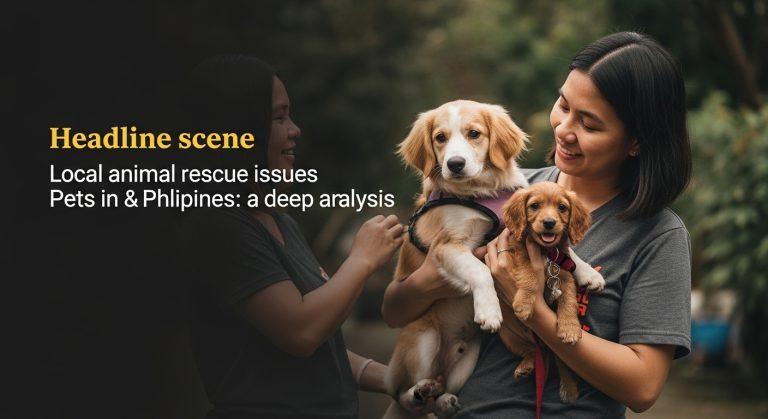
Rescue groups, shelters, and volunteer corps are the lifeblood of humane pet welfare. They translate broad policy aims into on-the-ground action by rescuing, rehabilitating, and rehoming animals, while educating communities about responsible ownership. Adoption events, foster programs, and daylight tours of shelters help dispel myths about pet care and demonstrate viable paths to stable homes. Transparent intake, humane handling, and regular updates to donors cultivate trust and enable more resilient programs even when funding is uncertain.
Disaster resilience is another central thread. Typhoons and floods disrupt lives and habitats, but prepared shelters and pet-friendly evacuation plans save lives and speed recovery. Training for volunteers in humane handling, emergency triage, and post-disaster care ensures that pets are considered in community planning, not as an afterthought. The result is a network that can scale through partnerships with veterinary professionals, educators, and civic groups, aligning with broader goals of public health and social cohesion.
Community-led adoption fairs, volunteer training, and owner education reduce stigma and increase long-term success rates for rehoming. When shelters partner with schools and local businesses, care becomes a shared social value rather than a charitable anomaly.
Technology, Data, and Accessibility
Technology broadens access to care in meaningful ways. Mobile clinics and pop-up vaccination drives bring essential services to neighborhoods without consistent veterinary presence. Online scheduling, tele-veterinary consultations, and digital adoption portals cut travel time, save costs, and link owners with the right resources. Data about population hotspots, vaccination coverage, and shelter capacity supports smarter planning for local governments and NGOs. When used responsibly, these tools reduce barriers related to cost, distance, and information gaps, and they empower owners to make informed decisions for their pets.
Beyond devices, language and cultural relevance matter. Public-facing materials in local languages, partnerships with trusted community figures, and inclusive outreach ensure preventive care becomes a routine rather than a special event. As technology evolves, so too does the potential to deliver care equitably—across urban corridors and rural barangays alike—helping to raise the baseline of welfare for all pets in the archipelago.
Data governance matters as well; owners should feel safe sharing information about their pets, addresses, and health records so clinics can build accurate care plans. Anonymized data can reveal regional gaps and guide resource allocation without compromising privacy.
Actionable Takeaways
- Support and scale community vaccination and spay/neuter programs through local government units and NGOs to expand preventive care.
- Promote affordable veterinary services by subsidizing care, encouraging public-private partnerships, and creating transparent clinic networks.
- Strengthen shelter and rescue networks with standardized intake, reporting, and collaboration channels to improve adoption outcomes.
- Invest in mobile clinics and digital tools that connect owners with vets, vaccines, and adoption options, prioritizing underserved areas.
- In disaster-prone regions, embed pet-inclusive planning in municipal response, including evacuation routes and shelter readiness.
Source Context
- Empower Yolo: The healing power of pets – general discussion of pet welfare and healing benefits.
- Burke Animal Resource Center: Cherokee – overview of community animal care efforts and NGO roles.
- Featured pets — Feb. 28 – timely pet stories and community highlights.