Pet Mental Health Signs Symptoms And Solutions For A Happier Pet
Updated: April 8, 2026
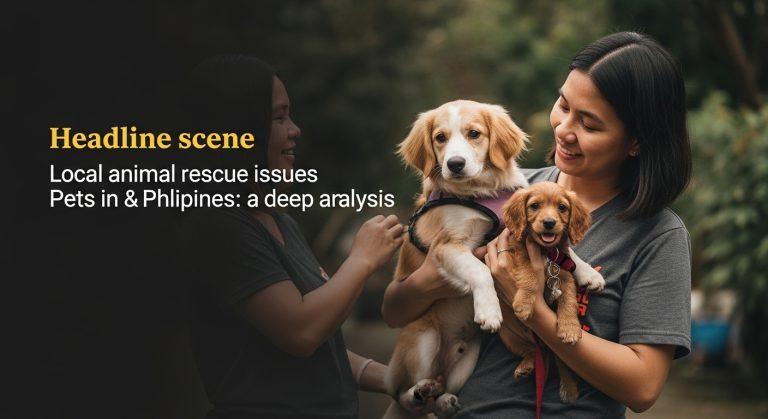
In the Philippines, the way households care for pets Pets Philippines has shifted from simple companionship to a broader welfare and resilience framework. Families navigate crowded urban apartments, coastal towns, and rural farms, all while managing the climate risks that affect animal health, nutrition, and safety. This article offers a deep, evidence-informed look at how such dynamics shape pet welfare, daily routines, and even local policy choices in the Philippines.
Pet care in the Philippine context
Among the most visible trends is the growth of veterinary access in urban centers and the persistent gaps beyond major cities. People invest in basic vaccines, parasite control, and nutrition, but cost remains a major constraint for many households. The result is a patchwork system where well-resourced neighborhoods enjoy quicker vet responses, while rural communities rely on tele-vet services, mobile clinics, or informal networks. In this context, responsible pet ownership extends beyond feeding; it includes routine health checks, socialization, and humane handling during crowded commutes or storms.
Community norms—such as adopting stray dogs or supporting local shelters—play a role in shaping welfare. Public discourse often frames pets as family members, but the reality of urban life means space constraints and noise considerations influence housing rules and acceptance of multi-pet households. The Philippines’ climate also affects pet care decisions: heat and humidity challenge flea and tick control, require more hydration strategies, and increase the importance of shade and ventilation for indoor spaces.
Disaster readiness and urban resilience
Natural hazards—typhoons, floods, and earthquakes—are a constant backdrop. For many Filipino families, preparing for these events means including pets in evacuation plans. Yet, evacuation centers often lack pet-friendly facilities, forcing families to choose between safety for humans and animals, or to improvise. The result is imperfect but evolving community solutions: crate-based transport, portable kennels, and pre-registered pet lists at barangay level recreation centers. The causal link is clear: better integration of pets into disaster planning reduces stress, improves overall household resilience, and can lower public health risks by preventing the spread of disease from stressed, unwell animals.
School and workplace policies that acknowledge pets can dramatically alter compliance with shelter-in-place orders and evacuation protocols. When local authorities provide clear guidance on pet safety, crate size standards, vaccination proof, and designated zones, households are more likely to implement them. The scenario framing shows two paths: a well-supported, pet-inclusive evacuation plan that keeps families together, and a panicked, ad-hoc approach that heightens risk for both animals and people. The former is more cost-effective in the long run, and it builds trust between residents and authorities.
Access to veterinary services and affordability
In the Philippines, access to veterinary care remains uneven. Urban clinics offer diagnostic labs, dental care, and advanced imaging, but rural areas often rely on paramedics, community volunteers, or periodic mobile clinics. Vaccination campaigns, spay-neuter drives, and parasite control programs are essential public health tools that also determine how households balance pet welfare with budgets. Price signals, transport costs, and the opportunity cost of time all affect whether a family can commit to regular checkups. The editorial impulse here is to push for scalable, community-based care models that anchor pet welfare within broader health networks.
Private-market solutions—pet food subscriptions, microchipping services, and subsidized vaccines—have potential if scaled with local governance. But there is a risk that profit-only models widen a gap between affluent and underserved communities. The deeper causal link is between veterinary access and social equity: when welfare services are geographically and financially accessible, families are more likely to keep pets healthy, which in turn reduces future burden on hospitals and shelters.
Policy, markets, and culture shaping daily routines
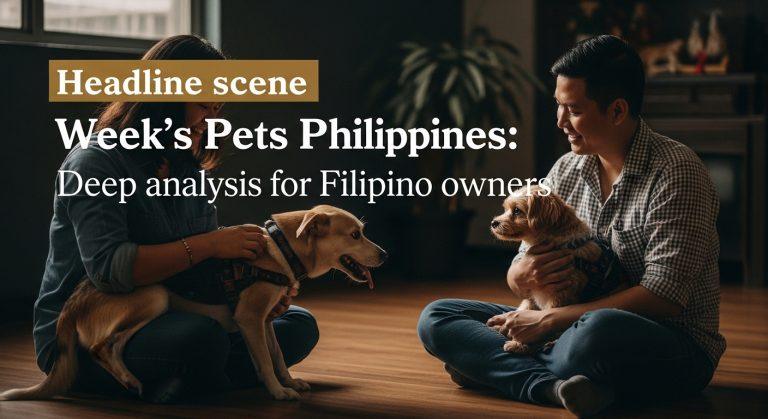
Policy signals—anti-cruelty laws, licensing, and shelter funding—set the tone for the sector. When municipalities tie licensing to vaccination proof and promote humane stray management, households adjust routines: regular vaccination, microchip registration, and adoption choices become the norm. Market dynamics—food pricing, pet care products, and shelter capacity—also steer how families configure budgets and time. Culturally, Filipinos often treat pets as members of the household, but the scale of multi-pet living depends on housing type, local ordinances, and family priorities.
The scenario outlook suggests several trajectories: (a) a more integrated pet-welfare ecosystem where public health and animal welfare co-create value, (b) a fragmented system with uneven access and patchy regulatory enforcement, or (c) community-led coalitions that fill gaps through shelters, volunteer groups, and micro-insurance-like schemes. The practical takeaway is that policymakers and practitioners should prioritize legible, humane, and affordable care pathways that support families’ everyday decisions about feeding, vaccination, and safety for their animal companions.
Actionable Takeaways
- Develop a pet emergency plan that includes a sturdy crate, a current ID, and a ready-to-go contact roster for caretakers.
- Keep vaccinations up to date and seek out local mobile clinics or community vaccination drives to avoid gaps in protection.
- Invest in preventive care, including parasite control, basic dental care, and hydration strategies suited to tropical climates.
- Microchip all pets and register their details with local authorities; view that data as a shared public resource for faster reunification during emergencies.
- Support or participate in local shelters and adoption programs to reduce stray populations while expanding community safety nets.
Source Context
Additional reading and policy context for readers seeking more depth.