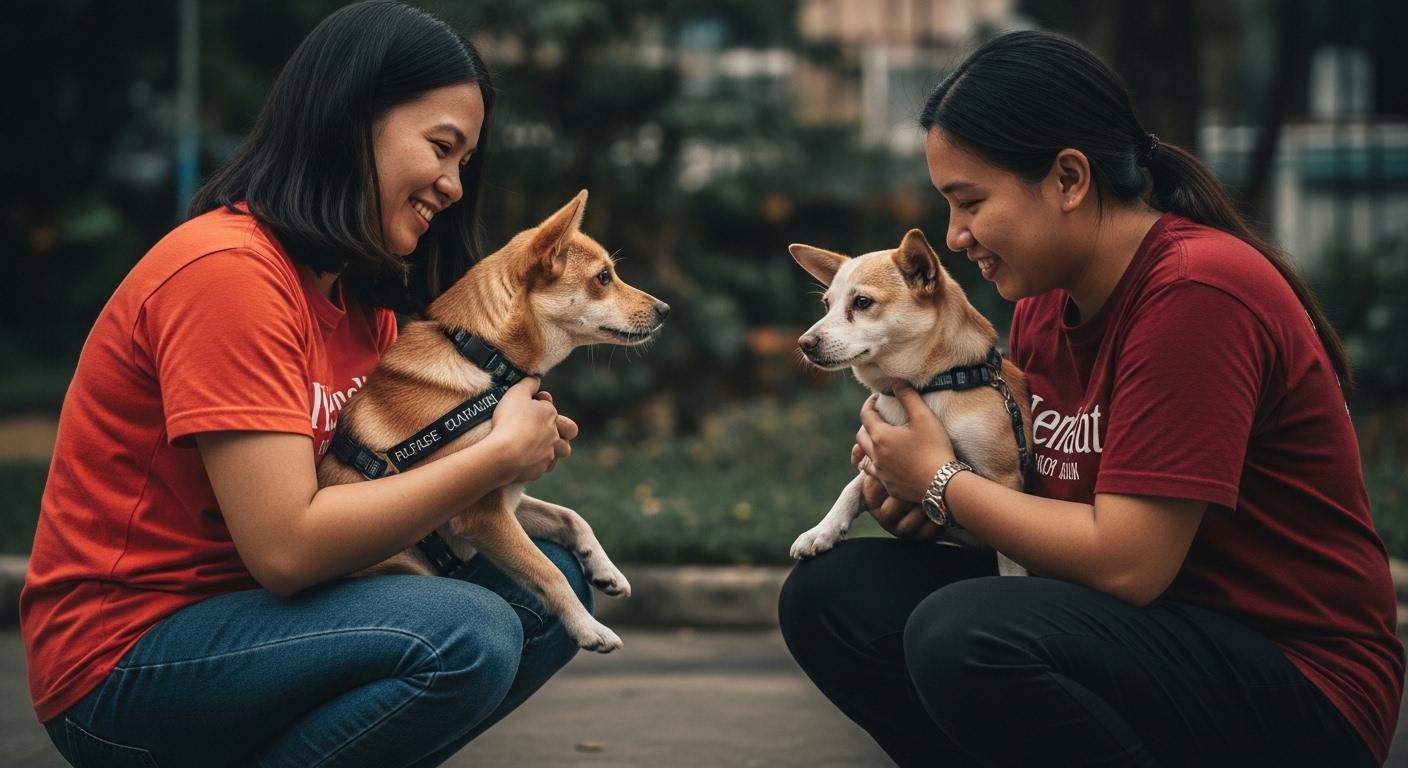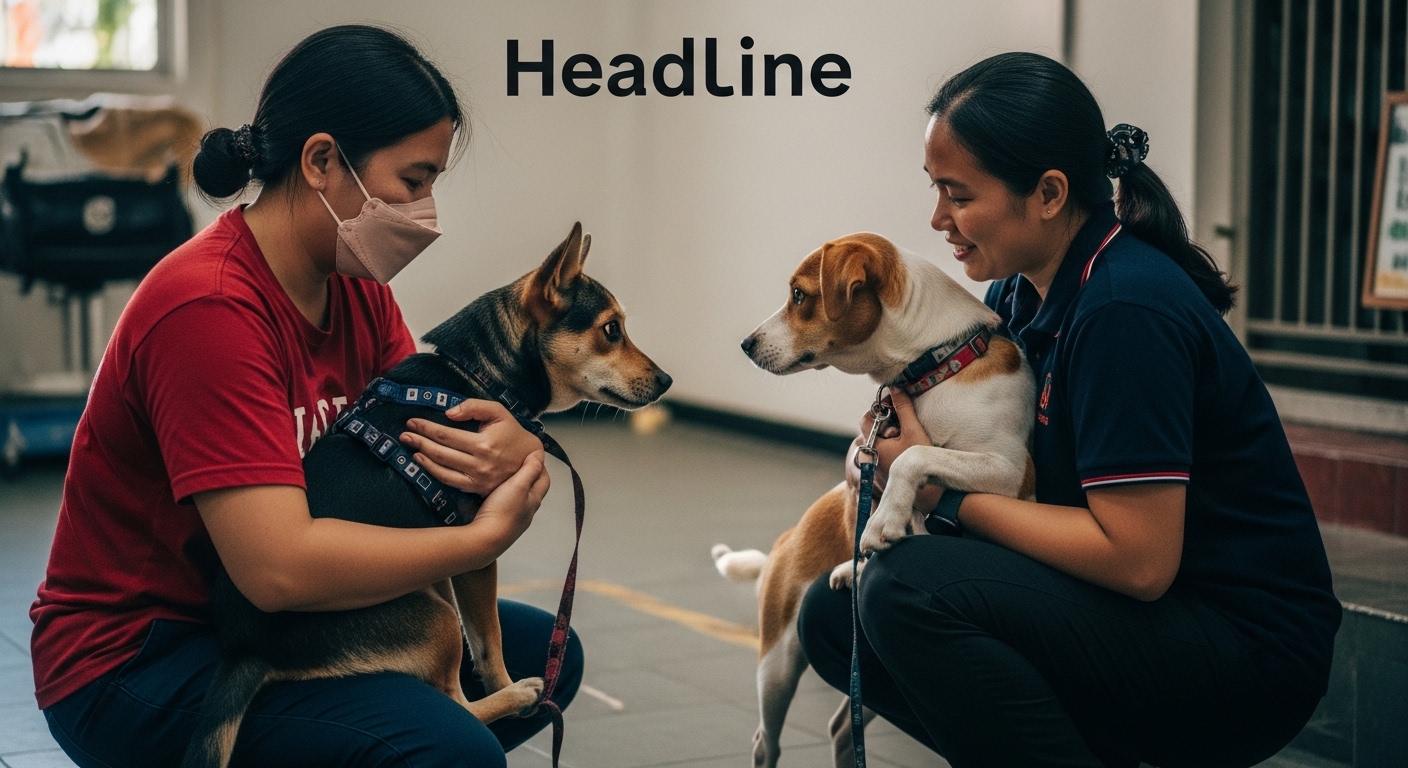
Filipino pet owner and volunteers at a barangay shelter caring for dogs and cats
Updated: April 8, 2026
In the Philippines, the everyday realities of pet ownership shape family routines, urban policy, and community support systems for pets Pets Philippines across cities and provinces.
Crisis and care networks for pets in the Philippines
Disasters such as floods, typhoons, and urban emergencies test the resilience of households with animals. In many communities, informal networks of neighbors, barangay volunteers, and local shelters become the first lines of defense for pets who cannot evacuate alone. Pet welfare during crises depends not only on formal plans but also on the social capital that families, vets, and rescue groups can marshal on short notice. In this context, microchipped pets with registered owners, portable carriers, and preplanned sheltering routes are often decisive in reducing chaos when a disaster strikes. The Philippines presents a varied landscape where coastal towns, flood-prone barangays, and dense urban districts require different approaches to keep pets safe, fed, and emotionally supported while families navigate the immediate danger and post-crisis recovery.
> Practical care in such moments moves from routine wellness to rapid triage: access to basic feeding, deworming, vaccination continuity, and the ability to reunite pets with owners once the danger has subsided. Community organizations that train volunteers and coordinate with veterinary professionals play a key role in bridging gaps that formal systems alone cannot fill, particularly in rural areas where clinics are sparse and transport is a barrier.
Policy, shelters, and access to veterinary care
Policy frameworks and local ordinances have a significant impact on how pet welfare is funded and delivered. Nationally, the Animal Welfare Act and related municipal ordinances set minimum standards for humane treatment, licensing, and pet population management, but enforcement varies by province and city. Financial constraints, geographic distance, and workforce shortages mean that many households rely on shelters, clinics run by non-governmental organizations, and community-based initiatives for regular veterinary care, vaccination, spaying and neutering, and preventive services. While shelters can be a lifeline during emergencies, access to affordable veterinary care remains uneven, especially in remote areas or regions with limited transportation infrastructure. Strengthening referral networks, subsidized vaccination campaigns, and transparent shelter management can help bridge these gaps without compromising animal welfare or owner livelihoods.
The tension between shelter capacity and demand often manifests in waitlists, relocation moves, and, at times, difficult ethical choices for owners facing ongoing financial hardship. A constructive path forward includes expanding mobile clinics, improving microchipping coverage, and integrating pet welfare planning into disaster preparedness at the barangay level. Such steps require cross-sector collaboration among government agencies, veterinary associations, and community organizations to ensure accountability and consistent service delivery across the country.
Owner responsibilities and practical steps
Owners are at the frontline of humane pet care, especially in a country frequently exposed to natural hazards and rapid urban change. The most practical approach blends everyday wellness with proactive planning for emergencies. Regular veterinary checkups, up-to-date vaccinations, parasite control, and microchipping dramatically reduce the risk of disease spread and facilitate reunification if pets are separated from families during a crisis. Identification goes beyond a collar tag; microchips linked to current contact information shorten reunification times and reduce distress for both pets and owners. In addition, creating a disaster plan that includes evacuation routes, a pet-friendly travel kit, and a designated caregiver can turn fear and confusion into a coordinated response. Community education efforts that teach humane handling, safe transport, and ethical rehoming practices help families navigate difficult decisions with compassion and clarity.
Financial and logistical realities must be acknowledged. Pet owners can mitigate risk by prioritizing preventive care, seeking subsidies from local clinics, and supporting vetted shelters that maintain transparent records and welfare standards. For those who adopt, aforestated commitments—spaying or neutering, vaccination, and ongoing wellness—help reduce long-term costs and improve community health outcomes. A practical philosophy for households is to treat pet welfare as a shared responsibility that extends to neighbors, schools, and local businesses, turning small, repeatable actions into durable community resilience.
Actionable Takeaways
- Establish and maintain a pet identification system, including a microchip and a contactable ID tag, to speed reunification after emergencies.
- Schedule regular veterinary visits and keep vaccines up to date; seek affordable or subsidized care through trusted shelters and clinics.
- Plan an emergency kit for pets that includes food, water, a leash or carrier, medications, and a photo of your pet for quick identification.
- Consider spaying or neutering to prevent overpopulation and reduce community shelter strain during crises.
- Develop a family evacuation plan that designates a caregiver or shelter alignment for pets in case of a natural disaster or other disruption.
- Support reputable shelters and rescue groups with donations or volunteering to strengthen the local welfare network.
Source Context
Readers may explore related reporting that highlights how crisis situations affect pet welfare and sheltering practices around the world, helping to contextualize local Philippines dynamics.
- Global crisis and pet welfare in transit and shelter settings
- Dog friendly parks and pet friendly recreation trends
- Pet product manufacturing expansion and market shifts in regional contexts