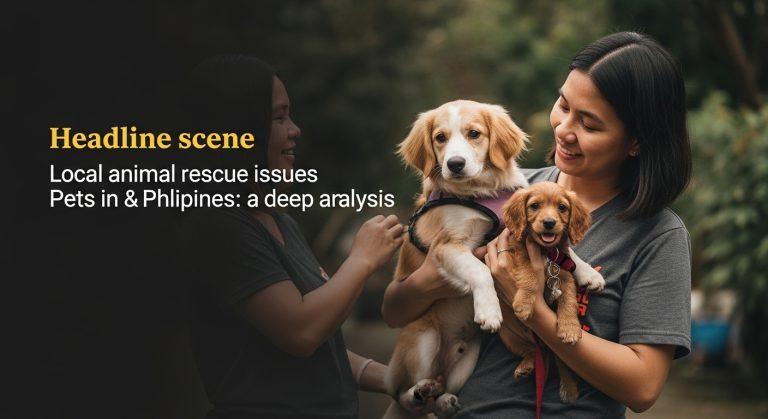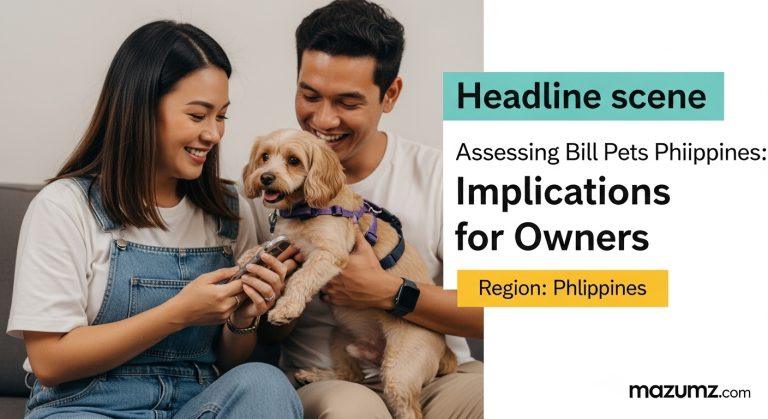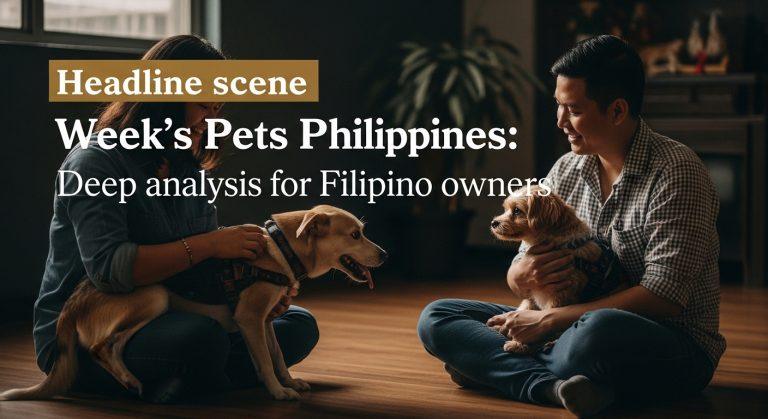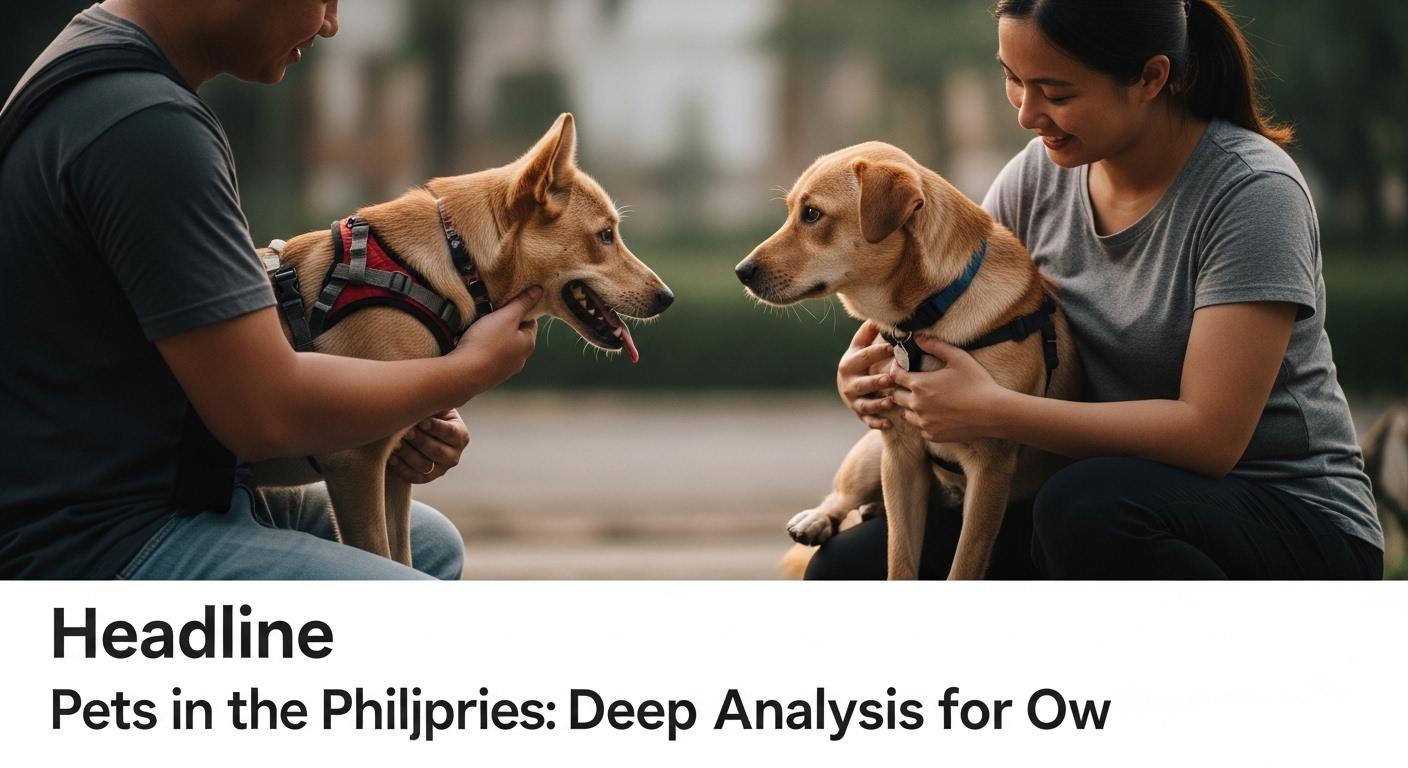
Filipino family with pets preparing for disasters in a Philippine neighborhood.
Updated: April 8, 2026
Across the Philippines, the everyday bond between people and their animals—and the idea of pets Pets Philippines—has evolved from simple companionship to a practical measure of household resilience and public welfare. As families navigate urban costs, crowded living spaces, and a growing network of pet-welfare groups, understanding how care, markets, and policy interact becomes essential for both owners and policymakers. This analysis explores the forces shaping pet care in the archipelago, framing choices that affect daily life and long-term welfare.
Context: Pet ownership and welfare in the Philippines
In many Filipino households, pets are inseparable from daily routines, yet access to veterinary care, affordable food, and preventive services remains uneven. Urban centers show rising demand for routine vaccinations, parasite control, and grooming as incomes grow and pet ownership becomes more of a lifestyle choice than a fringe activity. Rural areas often face barriers to basic services, from transportation to veterinary clinics. This divide creates a dual reality: households with steady access to care can invest in preventive measures, while others confront mounting costs when illness or injury arises. At the same time, community-based groups—local shelters, rescue networks, and charitable clinics—play a critical role in filling service gaps, especially for stray and mixed-breed populations. The result is a welfare ecosystem that is still maturing, with ongoing debates about licensing, humane treatment, and ethical sourcing of pet products.
Philippine households also face social dynamics that influence pet welfare. Pet ownership tends to correlate with urban density, housing type, and local norms around licensing and vaccination. Economic volatility can tempt shortcuts—cheap food from informal markets, delayed veterinary visits, or limited microchipping—each with potential health and safety repercussions for animals and people. Yet the same context drives innovations: community clinics, pet-friendly housing programs, and education campaigns aimed at responsible ownership. Taken together, these factors shape how families plan for pets in everyday life and during emergencies.
Market dynamics and practical realities
The Philippines hosts a growing pet-care market, but price dispersion remains wide. Veterinary services outside Metro Manila can be expensive relative to local incomes, and diagnostic options are unevenly distributed. Pet foods, medicines, and preventive products vary in quality and price, pressing families to balance cost with safety. Microchipping, a common step for pet identification, is not universally adopted, leaving many animals without a reliable way to reunite with owners after displacement or loss. In urban hubs, pet care has begun to resemble a professional sector with clinics, grooming, and training services; in rural settings, informal providers and community aid networks often fill the gap. This patchwork market structure can influence when and how households seek care, which in turn impacts animal welfare outcomes and public health signals such as rates of rabies vaccination and parasite control.
Beyond direct care, consumer behavior around pet products reflects broader economic trends: inflation in food and preventive items, seasonal pricing for vaccines, and the proliferation of online retailers that improve access but require careful scrutiny for quality. These dynamics underscore a simple truth: responsible pet ownership in the Philippines is as much about prudent budgeting and planning as it is about affection. When families anticipate veterinary needs, create budgets for preventive care, and make informed purchasing choices, they build resilience that benefits both pets and communities.
Policy gaps, disaster readiness, and community resilience
The archipelago’s exposure to natural hazards—from typhoons to floods—highlights the urgency of disaster-informed pet care. Historically, disaster planning in the Philippines has focused on human needs, with pets often treated as afterthoughts. This omission creates vulnerabilities: pets may be left behind during evacuations, or households may delay leaving due to concerns about animals. Advocates are pushing for clearer guidance on pet evacuation procedures, shelter accessibility for companion animals, and continuity of medical care during crises. Effective policy requires coordination among national agencies, local government units, and welfare organizations to ensure humane treatment, safe transport, and post-disaster veterinary support.
At a practical level, disaster readiness for households means including pets in emergency plans: identifying evacuation routes that accommodate carriers or crates, having a ready stock of pet essentials, and ensuring files like vaccination records travel with animals. For policymakers, routine integration of animal welfare in DRRM (Disaster Risk Reduction and Management) frameworks—such as budget allocations for shelters that accept pets, or standardized protocols for pet-friendly shelters—can reduce chaos during crises and speed reunification after events. While progress is uneven, regional pilots and partnerships with welfare groups demonstrate that small, scalable steps can improve outcomes for both animals and people during emergencies.
Responsible ownership in a crowded archipelago
Building sustainable, humane pet care in the Philippines requires a multi-pronged approach: preventive health, humane population management, and community education. Spay/neuter programs help curb overpopulation and associated health risks, while vaccination campaigns limit the spread of zoonotic diseases, protecting both pets and people. Microchipping and registration enhance reunification efforts after displacement and support animal welfare enforcement. Education initiatives—cultural shifts toward regular veterinary visits, responsible sourcing of food and medicine, and advocacy for ethical breeding practices—empower households to make choices that align with long-term welfare goals. Across urban and rural settings, partnerships between local governments, veterinary associations, and citizen groups can scale up these practices, tailoring them to regional realities while preserving universal standards of care and compassion for animals.
Ultimately, the Philippines’ pet-welfare landscape will hinge on practical access, affordability, and trust. When families feel confident that veterinarians, shelters, and welfare organizations operate with transparency and reliability, they are more likely to invest in preventive care, support adoption and rescue efforts, and participate in community programs that elevate welfare standards for all companion animals.
Actionable Takeaways
- Create a pet emergency plan that includes evacuation routes, carriers, and a basic disaster kit (water, food, medications, and copies of vaccination records).
- Get pets microchipped and registered with local authorities when available to improve reunification after displacement.
- Budget for preventive care: vaccinations, parasite control, and routine checkups to reduce the risk of costly illnesses later.
- Support local shelters and welfare groups; consider adopting rather than purchasing when possible, and participate in community vaccination or spay/neuter programs.
- Advocate for pet-inclusive disaster planning at the local level, encouraging shelters that can accommodate companion animals and clear evacuation protocols.
- Choose reputable veterinary providers and verify product quality to ensure safety for pets and households.
Source Context
- Philippine Animal Welfare Society (PAWS) — national nonprofit focused on pet welfare, education, and advocacy in the Philippines.
- Philippine Statistics Authority (PSA) — official data on household demographics, income, and related trends that affect pet ownership.
- Department of Agriculture (Philippines) — policy and program context for animal health and welfare, including veterinary services.
- Bureau of Animal Industry (BAI) — regulatory and vaccination-related resources for animal health in the Philippines.