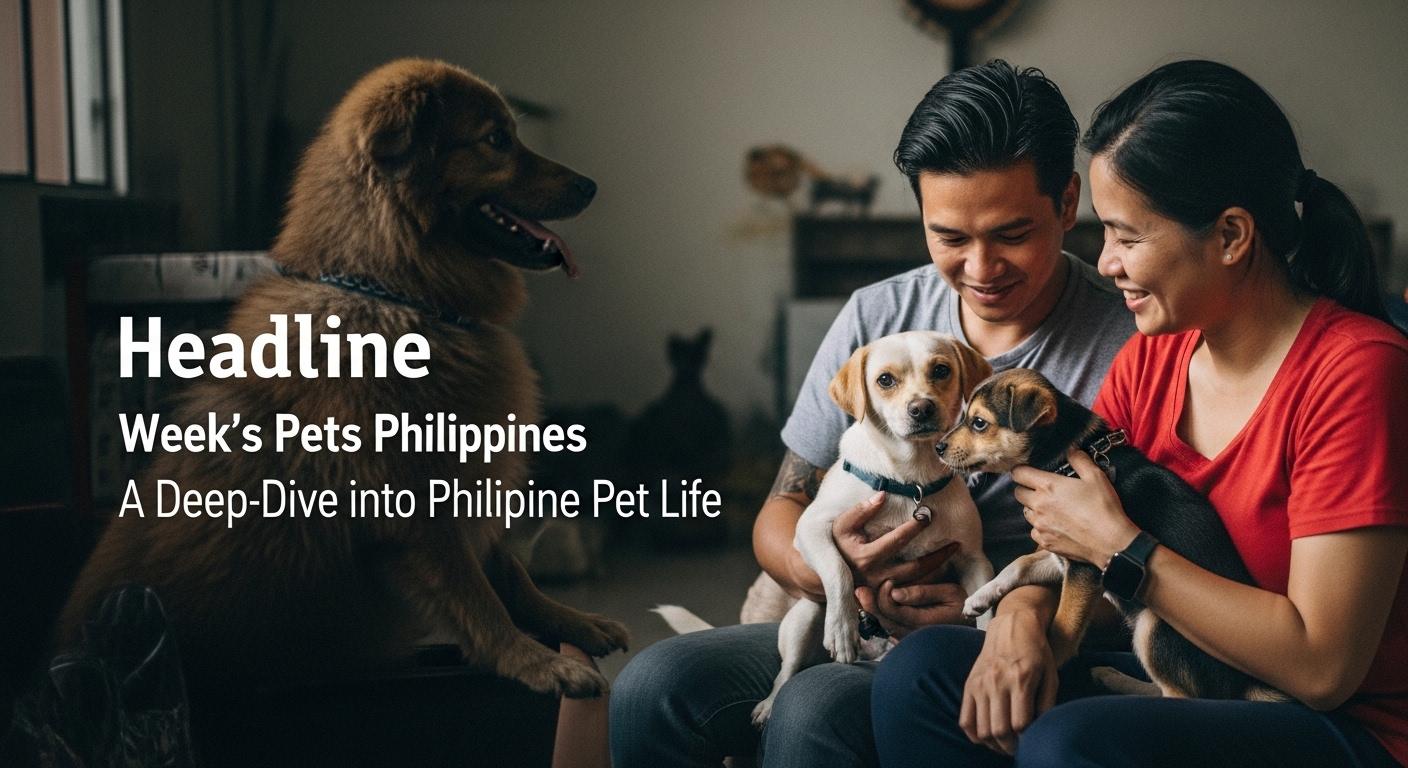
Filipino family at home with pets
Updated: April 8, 2026
Across Philippine homes, pet guardianship has become a lens on resilience, community, and everyday risk management. This week’s Pets Philippines landscape reveals how owners navigate veterinary access, pet-friendly public spaces, and the social networks that sustain animal companions in urban and rural settings.
Panorama: The Philippine pet economy and daily care
Demographic shifts and urbanization have quietly elevated pet ownership as a core element of family life. More households report keeping dogs, cats, and small mammals as steady companions, blending affection with practical care. As the cost of living rises, families balance affordability with quality care—prioritizing preventive measures, routine vaccinations, and nutritious food that supports long-term health for their animals.
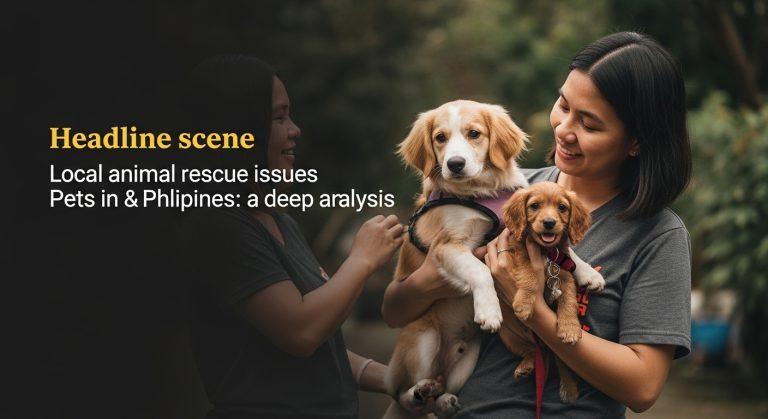
Small businesses around the country—from neighborhood grooming parlors to mobile clinics—reflect a growing informal economy connected to pet welfare. In many cities and municipalities, vaccines, microchips, and basic care have become more accessible, yet gaps persist in rural areas where distance to veterinary services can delay treatment and disrupt preventive care. Adoption from shelters remains a visible feature of Philippine households, with volunteers noting strong interest but limited shelter capacity and funding to match demand.
The resilience of households is evident in budgeting for pet care, including routine checkups, training, and even preventive grooming as a regular part of family life. Communities increasingly view pets as integral members of the household, shaping conversations about humane treatment, accessibility to care, and shared responsibility among guardians.
Policy and access: vets, shelters, and travel constraints
Policy environments around pet welfare are evolving as agencies promote responsible ownership while grappling with public health concerns. Veterinary networks emphasize preventive care, while shelter systems contend with resource constraints and fluctuating rescue demand. In disaster-prone areas, local NGOs and municipal programs coordinate with residents to protect animals, ensuring continuity of care when communities face disruptions.
Public travel and transit rules for pets—whether on domestic flights, ferries, or intercity buses—vary by municipality and carrier. Guardians must plan for permits, health certificates, and appropriate containment to reduce stress for animals and passengers. These constraints shape decisions about moving households, relocating for work, or seeking specialized care in different regions, underscoring the need for consistent guidance and clear protocols across jurisdictions.
Technology and community: digital networks and welfare
Digital tools have become lifelines for caretakers. Local online groups facilitate lost-pet alerts, adoption drives, and practical advice on nutrition, training, and first aid. Tele-veterinary services, online appointment booking, and microchip registries—where available—create faster access to professional guidance and continuity of care, especially for rural families facing travel barriers or time constraints.
However, the digital divide remains a reality. Guardians should verify clinic credentials, consult evidence-based veterinary guidance, and be cautious about unverified remedies circulating online. The rise of at-home care products highlights the need for reliable, science-backed information from trusted professionals to prevent missteps that could jeopardize animal health.
Cultural frame: family, faith, and responsible ownership
In many communities, pets are integral members of the family, woven into daily routines, rituals, and celebrations. Multigenerational households often share caregiving tasks—from feeding to training—creating social capital around welfare. In a country with rich religious and communal traditions, care for animals is increasingly framed as a moral and compassionate obligation, reflected in school programs, charity drives, and local initiatives that promote humane treatment within the public sphere.
Responsible ownership—spaying and neutering, vaccination, and regular veterinary checkups—appears in policy discussions and community education efforts. Economic pressures can complicate decisions, but public awareness campaigns and local networks help sustain long-term pet well-being and reduce preventable suffering. The cultural texture of the Philippines—where family, community, and faith intersect—produces a unique ecosystem for critiquing, improving, and sustaining pet life.
Actionable Takeaways
- Keep vaccination schedules and preventive care up to date by regular visits to a trusted local veterinarian.
- Plan for disaster preparedness that includes pet needs, with a go-bag containing food, medications, and identification for each animal.
- Support reputable shelters and rescue groups; consider fostering or adopting as a long-term commitment rather than a temporary solution.
- Invest in microchips and ensure ownership information is current; this improves reunification chances for lost pets.
- Use vetted tele-vet and clinic services when in-person visits are challenging, especially in rural areas.
- Engage with community networks for reliable guidance on nutrition, training, and welfare resources instead of ad hoc online advice.
Source Context
Contextual references and further reading from veterinary and welfare organizations: