Pet Exercise 101 How Regular Physical Activity Boosts Your Pets Health
Updated: April 8, 2026
Pet Exercise 101: How Regular Physical Activity Boosts Your Pet’s Health
In the hustle and bustle of everyday life, it’s easy to overlook the importance of exercise for our furry companions. Just like humans, pets require regular physical activity to maintain optimal health and wellbeing. Whether you own a playful puppy, a curious cat, or a lively rabbit, understanding the significance of exercise can greatly enhance your pet’s quality of life. This comprehensive guide delves into how regular exercise impacts pet health, from physical benefits to mental wellbeing, and offers practical tips to integrate exercise into your pet’s routine.
Why Exercise is Essential for Pets
Exercise is a cornerstone of pet health, serving as a preventative measure against a myriad of health issues. Regular physical activity not only helps maintain a healthy weight but also improves cardiovascular health, strengthens muscles and joints, and enhances mental health. Engaging in regular exercise can significantly reduce the risk of obesity, a growing concern among pet owners. According to the American Veterinary Medical Association, obesity can lead to severe health problems, including diabetes, arthritis, and heart disease.
Physical Benefits of Regular Exercise
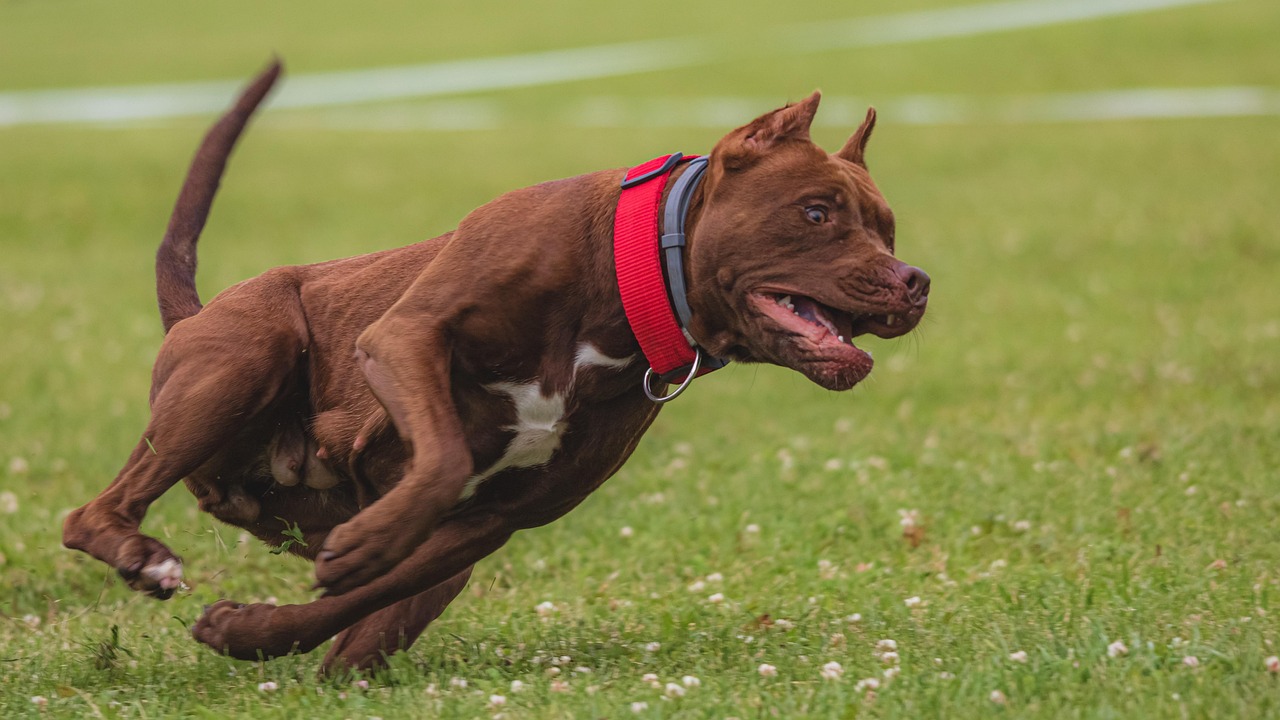
Physical activity is vital for maintaining a healthy weight, which is crucial in preventing obesity-related diseases. Here are key physical benefits that exercise provides for pets:
- Weight Management: Consistent exercise helps burn calories, which is essential to maintaining a healthy weight. This is especially important for pets prone to weight gain, such as certain breeds of dogs and cats.
- Muscle and Joint Health: Exercise strengthens muscles and supports joint health, reducing the risk of arthritis and other degenerative joint diseases. For dogs, this can mean daily walks or play sessions, while cats might benefit from interactive toys.
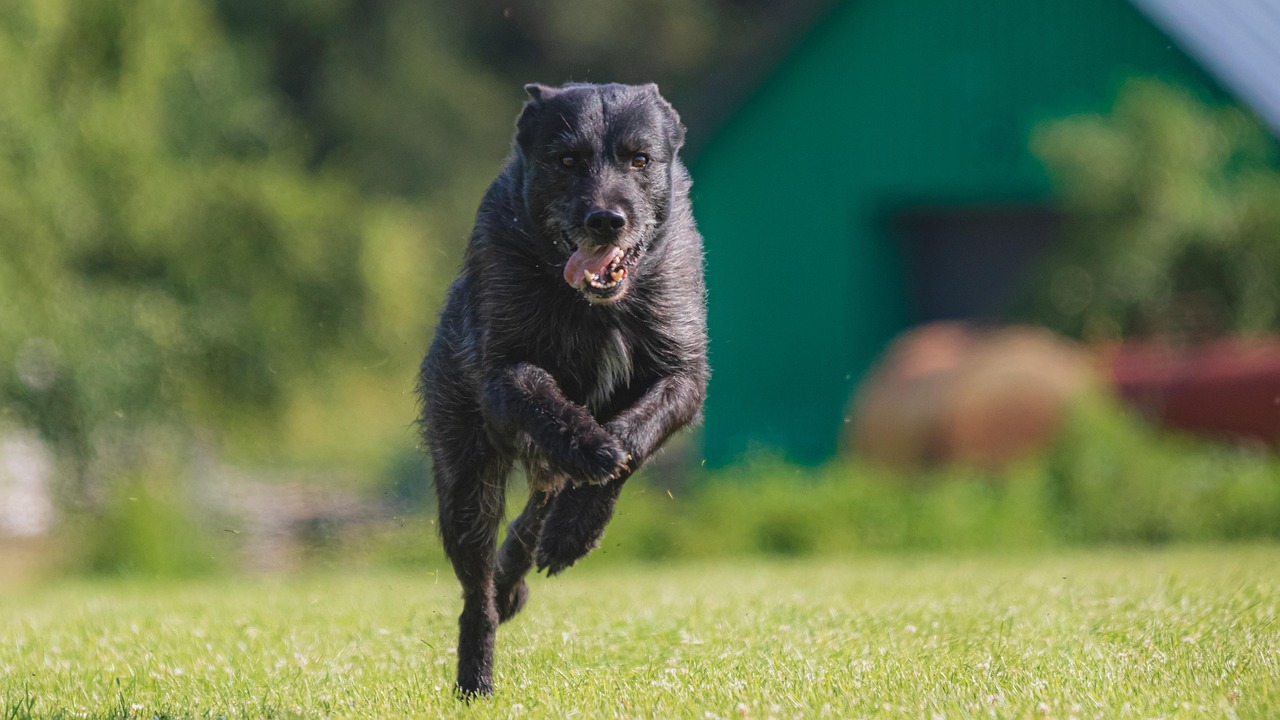
- Cardiovascular Health: Regular physical activity promotes a healthy heart and lungs, reducing the risk of cardiovascular diseases. Activities like running, swimming, or even a brisk walk can significantly improve your pet’s heart health.
Mental Health Benefits of Exercise
Exercise isn’t just about physical health; it plays a crucial role in mental wellbeing too. A pet’s mental health is as important as its physical health, and lack of exercise can lead to behavioral issues such as anxiety and depression.
- Stress Relief: Just like humans, pets experience stress. Regular exercise helps release endorphins, natural stress relievers that help calm your pet.
- Behavioral Improvement: Exercise provides a healthy outlet for energy, reducing the likelihood of destructive behaviors caused by boredom or anxiety. According to the PetMD, regular physical activity can significantly improve a pet’s behavior.
- Enhanced Cognitive Function: Engaging in activities that stimulate the mind, such as puzzle toys or agility training, enhances cognitive function and keeps your pet mentally sharp.
How Much Exercise Does Your Pet Need?
The amount of exercise your pet needs can depend on several factors, including its age, breed, and health status. Here’s a general guideline to help determine how much exercise your pet might need:
- Dogs: Most dogs require at least 30 minutes to 2 hours of exercise daily. High-energy breeds like Border Collies or Labrador Retrievers may require more.
- Cats: While cats are known for their independent nature, they still need exercise. Aim for at least 30 minutes of playtime each day, using toys that mimic prey to stimulate their hunting instincts.
- Small Pets: Animals like rabbits and guinea pigs also need exercise. They benefit from time outside their cages in a safe, controlled environment.
Always consult with your veterinarian to tailor an exercise routine that meets your pet’s specific needs.
Incorporating Exercise into Your Pet’s Routine
Integrating exercise into your pet’s daily routine doesn’t have to be daunting. Here are some practical tips to make exercise a fun and rewarding part of your pet’s life:
- Start Slow: If your pet is new to regular exercise, start with short, gentle sessions and gradually increase intensity and duration.
- Make it Fun: Choose activities your pet enjoys. This could be a game of fetch, a swim, or even a simple walk in the park.
- Be Consistent: Set a routine for exercise and stick to it. Consistency helps your pet understand when it’s time to be active.
- Mix it Up: Vary activities to keep your pet engaged and stimulated. This can include different walking routes, new toys, or varied play games.
Common Exercise Mistakes to Avoid
While exercise is crucial, there are common mistakes that pet owners should avoid to ensure their pet’s safety and health:
- Overexertion: While exercise is beneficial, too much can lead to injuries. Pay attention to signs of fatigue or discomfort in your pet.
- Ignoring Weather Conditions: Extreme weather conditions can be harmful. Protect your pet from heatstroke in hot weather and frostbite in cold weather.
- Inappropriate Activities: Ensure that the activities are suitable for your pet’s age, breed, and health condition. Not all pets can handle the same level of exercise.
Conclusion: A Healthier, Happier Pet
Exercise is a vital component of your pet’s health regimen, offering a multitude of physical and mental benefits. By understanding the importance of regular physical activity and implementing a consistent exercise routine, you can significantly enhance your pet’s quality of life. Remember, a well-exercised pet is not only healthier but also happier. For more detailed advice tailored to your pet, always consult with your veterinarian or a pet health expert. For additional information on pet exercise and health, visit the ASPCA for expert guidance.
Creative Ways to Keep Your Pet Active
Keeping your pet active can sometimes require a bit of creativity, especially if you have limited space or time. Here are some innovative ways to ensure your pet gets the exercise they need:
- Interactive Toys: Invest in toys that challenge your pet both physically and mentally. Puzzle feeders, laser pointers, and treat-dispensing toys can keep your pet entertained and active.
- Agility Training: Set up a mini agility course in your backyard or living room. Using cones, tunnels, and hurdles, you can create a fun and challenging environment for your pet.
- Play Dates: Organize play dates with other pets. This not only provides exercise but also socialization, which is crucial for well-rounded behavior.
- Hide and Seek: Engage your pet with a game of hide and seek. Hide treats or toys around the house and let your pet find them. This activity combines mental stimulation with physical exercise.
- Swimming: If your pet enjoys water, swimming can be a great low-impact exercise that works on their endurance and muscle strength.
Monitoring Your Pet’s Health and Progress
As you incorporate exercise into your pet’s routine, it’s crucial to monitor their health and progress. Here are some tips to help you keep track:
- Regular Check-Ups: Schedule regular veterinary check-ups to ensure your pet is healthy and that its exercise routine is appropriate for its age and health condition.
- Watch for Signs of Fatigue: Pay attention to your pet’s energy levels. If they seem overly tired or reluctant to exercise, it may be a sign to adjust their routine.
- Keep a Journal: Document your pet’s exercise sessions, noting any changes in behavior, weight, or health. This will help you identify patterns and make informed decisions.
- Adjust as Needed: As your pet ages or if its health status changes, be prepared to modify its exercise routine to accommodate its needs.
Understanding Your Pet’s Unique Needs
Every pet is unique, and their exercise needs can vary greatly. Understanding your pet’s specific requirements is key to providing them with an effective exercise routine.
- Breed-Specific Needs: Some breeds have higher energy levels and require more exercise. For example, working breeds like Border Collies and Huskies need more vigorous activity compared to smaller or less active breeds.
- Age Considerations: Puppies and kittens generally have more energy and may require shorter, more frequent bursts of activity. Senior pets, on the other hand, might need gentler, low-impact exercise such as walking or swimming.
- Health Conditions: Pets with health conditions such as arthritis or heart disease may need specialized exercise routines. Always consult with a vet to develop a safe plan.
Final Thoughts on Pet Exercise
Exercise is an integral part of maintaining your pet’s health and happiness. By understanding and catering to your pet’s specific needs, you can create a balanced lifestyle that promotes longevity and wellbeing. Remember, the journey to a healthier pet begins with small, consistent steps. Whether it’s a daily walk, a game of fetch, or an interactive toy, the key is to keep your pet engaged and active. For more insights on pet health and exercise, consider exploring resources provided by the Humane Society to enrich both your life and your pet’s.