The Role Of Regular Vet Check Ups In Maintaining Your Pets Health
Updated: April 8, 2026
The Role of Regular Vet Check-ups in Maintaining Your Pet’s Health
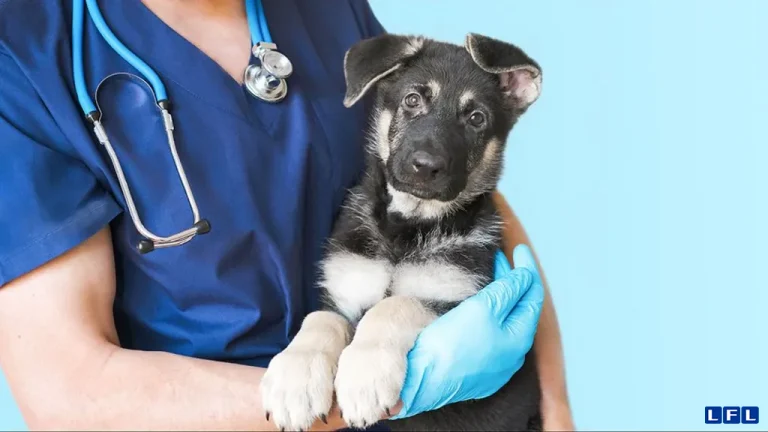
Our pets are more than just animals; they are cherished members of our families. Ensuring their well-being is a paramount responsibility for every pet owner. One of the most effective ways to keep our furry friends healthy is through regular veterinary check-ups. This comprehensive guide explores the multifaceted role of these routine visits, highlighting their importance in preventive care, early disease detection, and overall health maintenance for pets.
Understanding Preventive Care
Preventive care is the cornerstone of maintaining your pet’s health. By scheduling regular vet visits, pet owners can proactively manage their pet’s health, rather than reacting to illnesses as they arise. During these visits, veterinarians perform a variety of checks and assessments, including vaccinations, parasite prevention, and dietary evaluations, all tailored to the specific needs of your pet.
Vaccinations play a critical role in preventive care. They protect pets from a host of infectious diseases, some of which can be life-threatening. Regular booster shots ensure that your pet’s immunity is maintained, providing long-term protection. Similarly, parasite prevention through regular deworming and flea and tick control is vital to safeguard pets from parasites that can cause serious health issues.
Early Detection of Health Issues

One of the pivotal advantages of regular veterinary check-ups is the early detection of potential health problems. Many diseases, such as diabetes, kidney disease, and arthritis, can be managed more effectively when caught early. During a routine check-up, a vet may notice subtle signs of illness that pet owners could easily overlook.
For example, changes in weight, coat condition, or behavior can be early indicators of underlying health issues. Blood tests and other diagnostic tools can identify abnormalities before they become severe, allowing for timely intervention. Early detection not only prolongs the life of your pet but also enhances their quality of life.
Nutritional Counseling and Weight Management
Proper nutrition is fundamental to your pet’s health. During regular check-ups, veterinarians provide valuable nutritional counseling tailored to your pet’s age, breed, and activity level. This guidance ensures that your pet receives a balanced diet, helping to prevent obesity and related health issues.
Obesity is a growing concern among pets and can lead to serious health problems such as diabetes, heart disease, and joint issues. During veterinary visits, your pet’s weight and body condition are assessed, and personalized diet and exercise plans are created to achieve optimal health.
Dental Health and Hygiene
Dental health is an often-overlooked aspect of pet care, yet it is crucial for overall health. Dental disease can lead to pain, tooth loss, and systemic infections that affect other organs. During regular check-ups, vets examine your pet’s teeth and gums, and may recommend professional dental cleanings to remove plaque and tartar buildup.
Pet owners are also advised on proper dental hygiene practices at home, such as tooth brushing and choosing dental-friendly foods and toys. Maintaining good oral health not only prevents dental diseases but also contributes to a healthier, happier pet.

Behavioral Assessments
Behavioral changes can be a sign of underlying health issues or stress. Regular vet visits provide an opportunity to discuss any behavioral concerns you may have. Vets can identify whether these changes are due to medical conditions or environmental factors and can offer solutions or refer you to a specialist if needed.
For instance, sudden aggression or withdrawal may indicate pain or discomfort, while excessive licking or chewing could be signs of allergies or anxiety. Addressing these issues promptly can improve your pet’s well-being and enhance the bond you share with them.
Senior Pet Care
As pets age, their healthcare needs evolve. Regular veterinary check-ups become even more crucial for senior pets, as they are more susceptible to age-related conditions such as arthritis, vision and hearing loss, and cognitive decline. Vets can provide specialized care plans to manage these conditions, ensuring your senior pet enjoys a comfortable and fulfilling life.
Routine blood work and diagnostic imaging can monitor organ function and detect changes that might require intervention. Additionally, vets offer guidance on lifestyle adjustments and supplements that can support your pet’s health in their golden years.
The Human-Animal Bond
Regular vet check-ups also foster a stronger human-animal bond. By investing in your pet’s health, you demonstrate your love and commitment to their well-being. These visits provide an opportunity for pet owners to learn more about their pet’s needs, enhancing the care they provide at home.
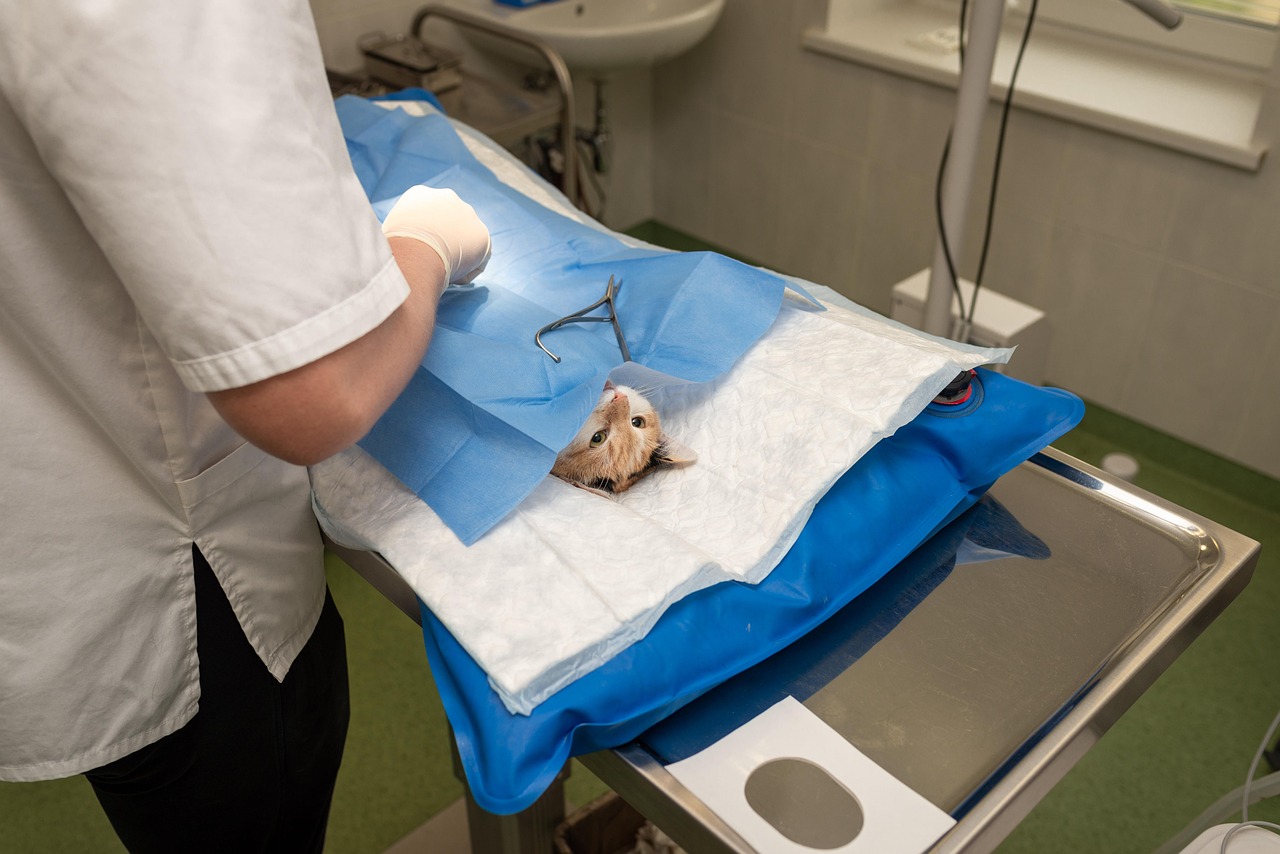
Furthermore, a strong relationship with your veterinarian builds trust, ensuring that you feel comfortable discussing any concerns you have about your pet’s health. This collaborative approach to pet care benefits both you and your pet, creating a partnership focused on their best interests.
Takeaways
Regular veterinary check-ups play an indispensable role in maintaining your pet’s health. They offer preventive care, early detection of diseases, nutritional guidance, dental health assessments, and behavioral evaluations. These visits are crucial for pets of all ages, providing tailored care that evolves with your pet’s changing needs.
By prioritizing regular vet visits, you contribute to your pet’s longevity and quality of life, ensuring they remain healthy and happy members of your family. Remember, a proactive approach to pet health not only prevents potential problems but also strengthens the bond you share with your beloved companion.
Addressing Common Concerns About Vet Visits
Despite the proven benefits, some pet owners may have reservations about regular vet visits. Concerns about cost, stress for the pet, and time constraints are common. However, addressing these issues can help underscore the importance of these visits.
Cost is often a significant concern, but it’s important to consider regular check-ups as an investment in your pet’s long-term health. Preventive care can mitigate the risk of costly treatments for advanced diseases later on. Many veterinary clinics offer wellness plans or packages that help spread out the costs, making it more manageable for pet owners.

For pets that experience stress during visits, veterinarians can provide strategies to reduce anxiety. Training your pet to associate the vet with positive experiences, using calming pheromones, and scheduling appointments during quieter times are all effective strategies. Some clinics also offer Fear Free techniques to make the experience less stressful for both pets and their owners.
The Importance of Choosing the Right Veterinarian
Selecting the right veterinarian is crucial for ensuring your pet receives the best care possible. A good veterinarian should not only be knowledgeable and experienced but also compassionate and communicative. They should be willing to listen to your concerns and answer any questions you may have about your pet’s health and care.
It’s advisable to visit a few clinics and meet with different veterinarians before making a decision. Observing how they interact with your pet and their approach to care can be telling. Establishing a trusting relationship with your veterinarian can greatly enhance your pet’s healthcare experience.
Technology and Veterinary Care
In recent years, technology has significantly impacted veterinary care, making regular check-ups even more effective. Advances in diagnostic tools, such as digital x-rays and ultrasound, allow for more accurate and faster diagnoses. Telemedicine has also become a valuable resource, offering pet owners the convenience of consulting with their vet remotely for certain concerns.

Furthermore, many veterinary practices now offer online portals where pet owners can access their pet’s medical records, schedule appointments, and receive reminders for vaccinations and other important care. This integration of technology enhances the overall efficiency and effectiveness of pet healthcare.
Building a Lifelong Health Plan
Regular vet check-ups are an integral part of building a lifelong health plan for your pet. From puppies and kittens to senior pets, each life stage comes with its own set of needs and challenges. Working closely with your veterinarian to create a tailored health plan ensures your pet receives the appropriate care throughout their life.
For young pets, this plan may include vaccinations, spaying or neutering, and training advice. As pets mature, the focus may shift to nutrition, exercise, and monitoring for early signs of disease. For senior pets, managing chronic conditions and ensuring comfort becomes the priority. By having a structured health plan, you can navigate these stages with confidence, knowing your pet is receiving comprehensive care.
Final Thoughts
Regular vet check-ups are far more than routine visits; they are a proactive approach to ensuring your pet’s health and well-being. By embracing the full scope of veterinary care, from preventive measures to advanced diagnostics, you can significantly enhance your pet’s quality of life.
Remember, as a pet owner, you are your pet’s advocate. Regular veterinary visits empower you with the knowledge and tools needed to make informed decisions about your pet’s health. By prioritizing these check-ups, you demonstrate your commitment to providing the best possible care for your beloved companion, ensuring they remain a healthy, happy, and integral part of your family for years to come.