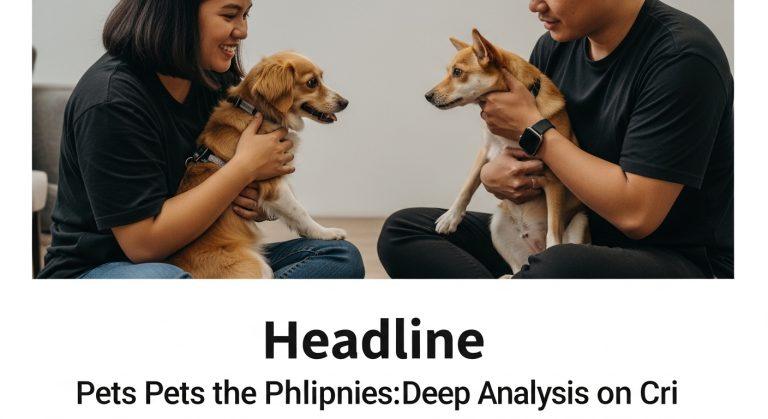
The phrase columbia Pets Philippines has become a telling marker in digital markets and consumer curiosity, but its relevance goes beyond branding. In the Philippines, urban pet life is in a transition zone where policy, household budgets, and climate risks intersect. This deep-dive analyzes how cities manage pets, stray populations, and welfare in a country where disaster seasons and rapid urbanization compound everyday decisions for caretakers and communities.
Context: Pet Life and Policy in the Philippines
Pet ownership in Philippine cities reflects a culture that values companionship yet faces resource constraints. A large share of urban households keeps cats or dogs, but veterinary access is uneven, pricing can be volatile, and the stray population remains a visible public-policy challenge. Climate hazards, from typhoons to floods, complicate planning for pet welfare, shelter space, and emergency response. In this context, local governments, NGOs, and private sector actors converge to fill gaps in care, vaccination, and education, even as families adapt to inflation and shifting work patterns.
Public Policy and Stray Animal Management
Philippine policy on animal welfare rests on a framework that includes national legislation and local ordinances. The Animal Welfare Act provides a baseline floor for humane treatment, licensing, and penalties for cruelty, while LGUs tailor rules for licensing, pet births, and shelter funding. Yet enforcement is uneven, budgets are tight, and stray management often hinges on temporary funding, ad hoc rescue efforts, and community volunteers. The result is a patchwork where shelters struggle to scale, and families question the balance between public safety, animal welfare, and personal choice.
Economic Realities for Filipino Pet Owners
For many households, owning a pet is a regular budget line item—food, vaccines, microchips, and routine check-ups. In urban centers, veterinary prices can be a barrier, particularly for low-income families or those in informal settlements. Inflation, typhoon seasons, and supply-chain disruptions can push costs higher just when households need care most. However, the same market pressures incentivize affordable clinics, community vaccination drives, and DIY preventive care where safe and appropriate. The question for policy is how to align humane goals with affordability, without ceding welfare to ad hoc charity alone.
Future Scenarios and Policy Options
Looking ahead, several scenarios could shift welfare outcomes: targeted microchip and vaccination programs funded by LGUs or NGOs; expanded spay/neuter initiatives to curb growth in stray populations; community shelters that partner with schools, religious groups, and barangays; and disaster-ready pet-care protocols that integrate with evacuation plans. The Philippine experience suggests that durable progress rests on credible data, reliable funding, and local accountability. A combination of regulation, education, and community mobilization could help align pet welfare with public health and resilience goals.
Actionable Takeaways
- Pet owners: register your pet, microchip where feasible, and maintain up-to-date vaccination records to support rapid reunification during disasters.
- Households: budget for preventive care and seek affordable clinics; practice humane, safe management of access to food for street animals where community agreements exist.
- Communities: participate in local shelters and vaccination drives; support humane education programs in schools and barangays.
- Local government: prioritize funding for humane shelters, licensing enforcement, and disaster-response pet protocols; publish transparent metrics on welfare outcomes.
- NGOs and partners: collaborate with LGUs to scale spay/neuter and vaccination campaigns; collect data to guide policy and accountability.
Source Context
Note: The following sources provide context and legal framework related to animal welfare in the Philippines.
- Republic Act No. 8485 — Animal Welfare Act (1998) — Lawphil
- Philippine Animal Welfare Society (PAWS) — advocacy and services
- Bureau of Animal Industry — Department of Agriculture (Philippines)
- Department of Health — zoonotic disease and public health
From an editorial perspective, separate confirmed facts from early speculation and revisit assumptions as new verified information appears.
Track official statements, compare independent outlets, and focus on what is confirmed versus what remains under investigation.
For practical decisions, evaluate near-term risk, likely scenarios, and timing before reacting to fast-moving headlines.
Use source quality checks: publication reputation, named attribution, publication time, and consistency across multiple reports.
Cross-check key numbers, proper names, and dates before drawing conclusions; early reporting can shift as agencies, teams, or companies release fuller context.
When claims rely on anonymous sourcing, treat them as provisional signals and wait for corroboration from official records or multiple independent outlets.