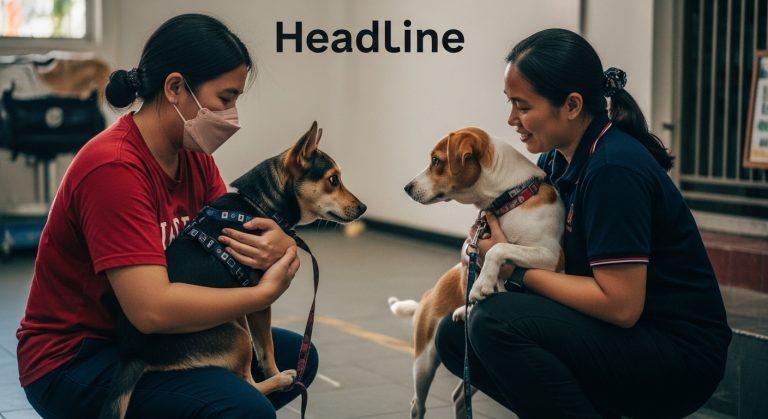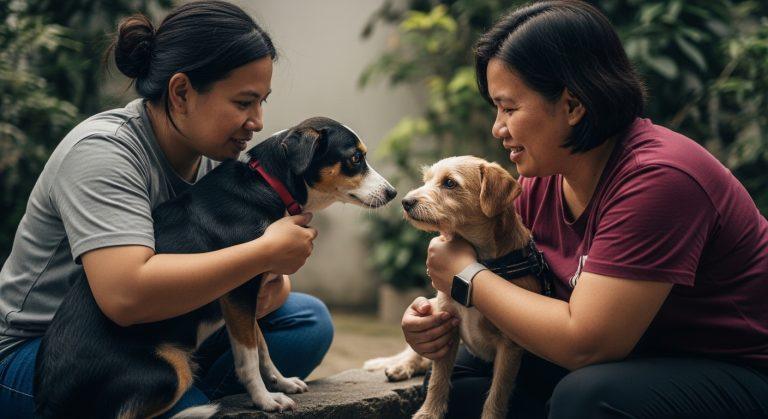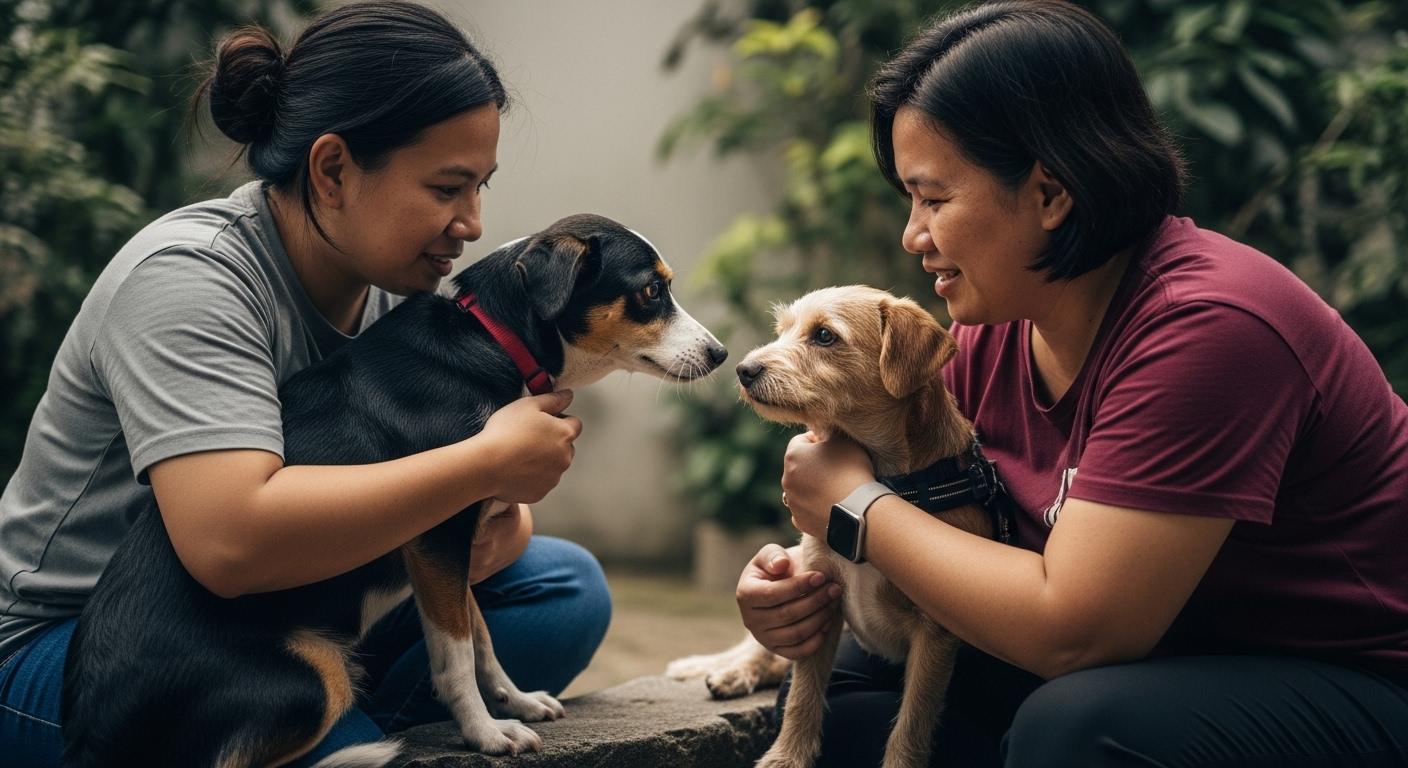
In the Philippines, where typhoons, floods, and earthquakes test every household, the bond between people and animals becomes a practical constraint and a moral responsibility. This analysis for mazumz.com examines how disasters shape the fate of pets and how households, shelters, and policymakers can converge on better outcomes. For pets Pets Philippines, the lived reality of caretakers and volunteers reveals the need for grounded, action-oriented planning that can scale from barangays to regional agencies.
Context: The Philippine reality of disasters and pet ownership
Filipino households often keep pets as companions and helpers in daily life, yet during disaster events the fate of these animals is frequently secondary to human needs. The country’s exposure to tropical cyclones, monsoon floods, and seismic activity means that a large portion of the population will face evacuations in their lifetimes. When evacuations occur, pets are commonly left behind or split from families due to a lack of pet-friendly shelters or clear guidance on Bringing animal companions into public shelters. This reality is not merely logistical; it has health, mental health, and human-animal bond implications. Pets may experience fear, motion sickness, or stress that compounds the trauma of displacement. A practical disaster plan therefore must treat animals as part of the household unit, with mobility, medical needs, and comfort routines integrated into every protocol.
Data on pet ownership in disaster contexts is regional rather than universal, and local authorities frequently improvise in the moment. Yet a growing body of field reports suggests that communities with pre-planned pet evacuation arrangements—such as designated spaces within shelters, temporary housing for animals, and ready access to pet supplies—tend to recover more quickly and with less risk of abandonment. In the Philippines, where barangays (villages) often drive grassroots response, this means that neighborhood-level agreements and volunteer networks can be a decisive factor in whether a family and their pets weather a crisis with minimal disruption.
Policy and practice gaps in evacuation and shelters
National policy on animal welfare and disaster response remains fragmented, with limited enforcement mechanisms for pet-inclusive evacuations. While several agencies acknowledge animal welfare in principle, there is little standardized guidance for integrating pets into disaster evacuation plans at the local level. Shelter design often prioritizes human occupancy and safety equipment, leaving pet spaces underfunded or inconsistent across municipalities. Veterinary surge capacity—temporary access to veterinarians, medications, and cold chains for vaccines and essential care—tends to hinge on NGO partnerships rather than formal government programs. The absence of universal vaccination records accepted by shelters, limited storage for pet food and medication, and inconsistent tagging or microchip verification further complicate reunification efforts after displacement. This policy gap translates into real-world consequences: delays in reuniting families with pets, increased risk of stray or abandoned animals, and heightened stress for both animals and caretakers during emergencies.
Conversations around policy are increasingly informed by civil-society groups that push for humane, practical standards. Local ordinances can require pet-friendly sheltering or permit temporary pet housing in evacuation centers, but adoption of such standards varies widely. The challenge is not only creating space for animals but ensuring that care is humane, culturally appropriate, and financially sustainable for communities with limited resources.
Community resilience: NGOs, local ordinances, and veterinary networks
In parallel with government efforts, NGOs and volunteer networks have emerged as crucial connectors for pet welfare during disasters. Groups like the Philippine Animal Welfare Society (PAWS) work to educate the public on preparedness, assist with owner reunifications, and sometimes provide emergency veterinary services or temporary sheltering for pets. A robust network of small clinics, mobile veterinarians, and foster-based programs can extend reach in times of crisis, especially in urban neighborhoods and provincial towns where formal shelter capacity is limited. Strengthening these networks requires formal collaboration with local government units, better data-sharing about pet populations, and mechanisms to fund or subsidize pet-related disaster needs—such as transporting animals, providing carriers, or stocking pet-safe food and medications.
Ethical considerations also shape practice: fair access to services for all pet owners, regardless of income or location; culturally appropriate handling of animals in diverse settings; and careful attention to shelter dynamics to minimize stress for both animals and people. The most resilient communities are those that view animal welfare as an integral component of disaster risk reduction rather than a separate, peripheral concern.
Practical readiness for households and communities
Preparation is the most tangible path to reducing risk for pets in disasters. A practical plan starts with a pet-specific evacuation checklist that families can rehearse. Key components include an up-to-date vaccination and medical history, a portable medical kit, and a carrier or harness system designed to minimize panic during transport. Pet food, water, litter or waste management supplies, and a person-specific plan for who handles which pet during an evacuation are essential. Owners should maintain clear, scan-friendly records and ensure microchips or IDs are current and registered with a local authority or recognized pet registry. In areas prone to flooding, securing high ground or elevated carriers, and identifying pet-friendly shelters ahead of time can prevent last-minute chaos.
Beyond the household, community preparedness matters. Local governments should map pet demographics, designate pet-friendly evacuation centers, and train shelter staff in basic animal handling, triage for minor injuries, and stress-reduction strategies for animals. Public-safety messaging should include simple, language-appropriate instructions for pet owners, emphasizing early action—evacuating with pets rather than delaying until the last moment. This approach helps avoid dangerous crowding, ensures pets are not separated from caretakers, and reduces the likelihood of seizures of panic-driven animal behavior in crowded spaces.
Actionable Takeaways
- Develop a personal pet evacuation plan that assigns responsibilities, lists needed supplies, and rehearses with all household members.
- Assemble a pet disaster kit with two weeks of food, water, medications, a leash or carrier, vaccination records, and a prefabricated plan to reunite with your pet after an event.
- Ensure your pet is microchipped or clearly tagged, and verify that registrations are current with local authorities or registries.
- Identify in advance pet-friendly shelters or housing arrangements in your area and confirm their policies, capacity, and proximity.
- Coordinate with neighbors and local NGOs to build a small, supportive network that can assist with transport, temporary housing, or veterinary help for pets during emergencies.
Source Context
For readers seeking further context on pet welfare and disaster readiness in the Philippines, consider these resource hubs: