Common Pet Health Issues and How to Prevent Them: A Comprehensive Guide
As a pet owner, ensuring the health and well-being of your furry friend is a top priority. Pets, much like humans, can face a range of health issues throughout their lives. Understanding these common problems and how to prevent them can lead to a longer, healthier life for your pet. In this comprehensive guide, we will delve into various pet health issues and provide strategies for prevention.
Understanding Pet Health Issues
Pets can suffer from a variety of health problems, many of which can be prevented with proper care, diet, and attention. Let’s explore some of the most prevalent health issues and their prevention strategies.
Obesity in Pets
Obesity is a significant issue among pets, especially in developed countries. It can lead to severe health problems such as diabetes, heart disease, and arthritis.
Causes: Overfeeding and lack of exercise are the primary causes of obesity in pets. Some breeds are more prone to gaining weight due to genetic factors.
Prevention: To prevent obesity, ensure your pet receives a balanced diet tailored to their size, age, and activity level. Regular exercise is crucial. Activities like walks, playtime, and interactive toys can help maintain a healthy weight. Regularly consult your veterinarian to evaluate your pet’s weight and adjust their diet as needed.
Dental Disease
Dental disease is another common health problem in pets, particularly in older dogs and cats. It can lead to pain, infection, and even organ damage if left untreated.
Causes: Poor dental hygiene is the leading cause of dental disease in pets. Plaque and tartar build-up can lead to gingivitis and periodontal disease.
Prevention: Regular dental care is essential. Brush your pet’s teeth daily using a veterinarian-approved toothpaste. Provide dental chews and toys that promote oral health. Schedule professional cleanings with your veterinarian at least once a year.

Parasite Infestations
Parasites such as fleas, ticks, and worms are a common concern for pet owners. They can cause a range of health issues from mild irritation to serious diseases.
Causes: Parasites can be contracted from other animals, contaminated environments, or through food and water.
Prevention: Regular use of preventive treatments can protect your pet from parasites. These include topical treatments, collars, and oral medications tailored to your pet’s needs. Keep your pet’s living area clean and regularly check them for signs of parasites. Consult your veterinarian for the best prevention plan for your pet.
Skin Allergies
Skin allergies are a frequent issue in pets, causing discomfort and itching. They can be triggered by environmental factors, food, or flea bites.
Causes: Common allergens include pollen, dust mites, certain foods, and flea saliva.
Prevention: Identifying and avoiding allergens is key to prevention. Regular grooming and bathing can reduce exposure to allergens. If food allergies are suspected, a specialized diet may be required. Consult your veterinarian for allergy testing and management strategies.
Arthritis and Joint Problems
As pets age, they may develop arthritis and joint problems, affecting their mobility and quality of life.
Causes: Age, obesity, injury, and genetics can contribute to joint issues.
Prevention: Maintaining a healthy weight and providing regular exercise can help prevent joint problems. Consider supplements like glucosamine and chondroitin, which support joint health. Provide a comfortable living environment with soft bedding and non-slip surfaces. Regular veterinary check-ups can help monitor and manage joint health as your pet ages.
Ear Infections
Ear infections are common, especially in dogs with floppy ears. They can cause pain, itching, and discharge.

Causes: Moisture, allergies, and foreign bodies can lead to infections.
Prevention: Keep your pet’s ears clean and dry. Regularly check for signs of infection such as redness, odor, or discharge. Use veterinarian-recommended ear cleaning solutions and avoid inserting objects into the ear canal. If your pet swims frequently, ensure their ears are dried thoroughly afterwards.
Urinary Tract Infections (UTIs)
UTIs are more common in cats, but dogs can also be affected. They can cause discomfort and lead to more severe kidney issues if untreated.
Causes: Bacteria entering the urinary tract is the usual cause of UTIs. Poor hydration and certain diets can increase the risk.
Prevention: Ensure your pet stays hydrated by providing fresh water at all times. A diet that supports urinary health can be beneficial. Regular veterinary check-ups can help detect and treat UTIs early. If your pet shows signs of a UTI, such as frequent urination or accidents, consult your veterinarian promptly.
Takeaways
Preventing common pet health issues requires vigilance, regular care, and a proactive approach to your pet’s health. By understanding the risks and implementing preventive measures, you can ensure a healthier and happier life for your pet. Always consult with your veterinarian for personalized advice and treatment plans. Your pet’s well-being is a reflection of the care and love they receive from you, their devoted owner.
By staying informed and attentive to your pet’s needs, you can prevent many health issues and enjoy many happy, healthy years together. Remember, a well-cared-for pet is not just healthy physically, but also mentally and emotionally, thriving in a loving environment.
Behavioral Health and Well-being
While physical health is often the primary focus, behavioral health is equally important for pets. Behavioral issues can arise from a variety of sources, including stress, boredom, and lack of socialization.
Causes: Changes in environment, insufficient mental stimulation, and lack of social interaction can lead to behavioral problems such as anxiety, aggression, or excessive barking.

Prevention: Provide your pet with regular mental and physical stimulation. Interactive toys, training exercises, and socialization with other animals and people can help prevent behavioral issues. Establish routines to provide a sense of security. If behavioral problems persist, consulting a professional animal behaviorist or trainer may be beneficial.
Vaccinations and Preventive Healthcare
Vaccinations are an essential component of preventive healthcare for pets, protecting them from contagious and potentially life-threatening diseases.
Importance: Vaccinations protect against diseases such as rabies, distemper, and parvovirus in dogs, and feline leukemia and calicivirus in cats.
Prevention: Ensure your pet’s vaccinations are up to date by following the schedule recommended by your veterinarian. Regular wellness check-ups can help detect any early signs of health issues and keep vaccinations on track. In addition to vaccinations, routine blood tests and screenings for conditions like heartworm are crucial components of a comprehensive preventive healthcare plan.
Gastrointestinal Issues
Gastrointestinal problems, such as vomiting and diarrhea, are common in pets and can be caused by a variety of factors.
Causes: Dietary indiscretion, infections, food sensitivities, and stress can lead to gastrointestinal upset.
Prevention: Feed your pet a high-quality, balanced diet appropriate for their age, size, and breed. Avoid sudden changes in diet and keep harmful foods and substances out of reach. Ensure your pet has access to clean water at all times. If your pet frequently experiences gastrointestinal issues, consult your veterinarian for a more detailed evaluation and dietary recommendations.
Conclusion: A Lifelong Commitment
Caring for a pet’s health is a lifelong commitment that requires attention to both their physical and emotional needs. By understanding the common health issues that pets face and taking proactive steps to prevent them, you can significantly improve your pet’s quality of life.
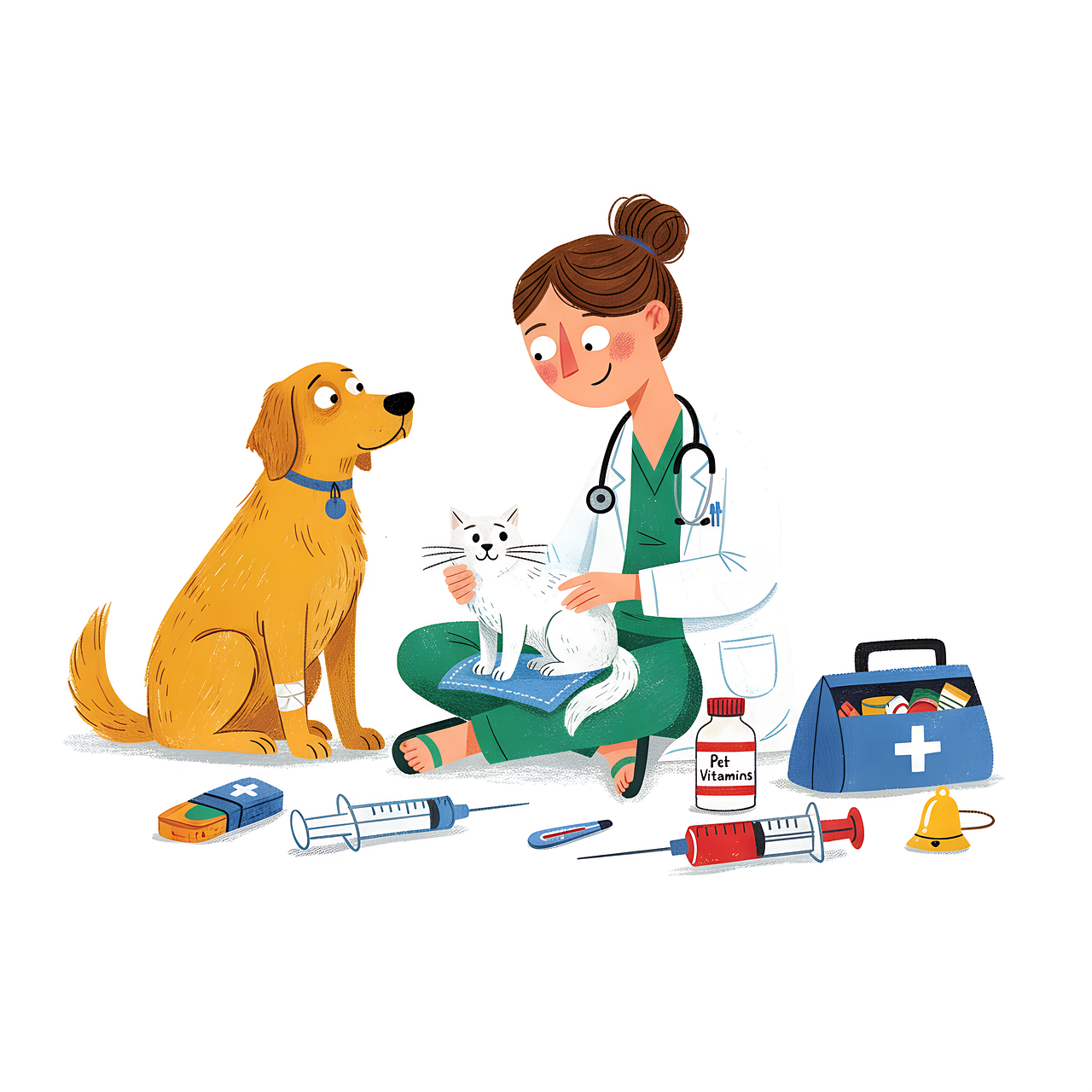
Remember to maintain open communication with your veterinarian, as they are your best resource for information and guidance on your pet’s health. Regular check-ups, a balanced diet, exercise, and mental stimulation are key elements of a comprehensive care plan.
Ultimately, the joy and companionship that pets bring to our lives are immeasurable, and it is our responsibility as pet owners to ensure they live their best lives. Through dedication, knowledge, and a little bit of effort, you can provide the love and care your pet deserves, making every moment together a treasured memory.
Environmental Enrichment
Providing a stimulating environment is crucial for your pet’s mental and physical health. Pets can become bored and stressed without adequate enrichment, leading to behavioral and health issues.
Importance: Environmental enrichment helps prevent boredom, stress, and the development of destructive behaviors. It enhances your pet’s quality of life by stimulating natural behaviors.
Strategies: Offer a variety of toys and rotate them regularly to maintain your pet’s interest. Create opportunities for exploration and play, such as puzzle feeders or interactive toys. For cats, provide scratching posts, climbing structures, and perches. Dogs benefit from activities like agility training, fetch, or obedience classes. Regularly engage with your pet through play and training to strengthen your bond and keep them mentally stimulated.
Understanding Breed-Specific Health Concerns
Different breeds have specific health issues they are predisposed to, requiring tailored care and monitoring.
Importance: Knowing your pet’s breed-specific health risks allows for early detection and prevention of potential issues.
Prevention: Research your pet’s breed to understand common health concerns. For example, large breeds like German Shepherds may be prone to hip dysplasia, while smaller breeds like Dachshunds can suffer from spinal problems. Regular veterinary check-ups and breed-specific health screenings can help manage these risks. Consider genetic testing to identify potential hereditary conditions early on.

Emergency Preparedness for Pet Health
Being prepared for emergencies is an essential part of responsible pet ownership. Knowing what to do in case of a health crisis can save your pet’s life.
Importance: Quick action during a health emergency can make a significant difference in outcomes for your pet.
Preparation: Keep a pet first-aid kit in your home and familiarize yourself with basic first-aid procedures. Know the location of the nearest emergency veterinary clinic and have their contact information readily available. Educate yourself on signs of common emergencies, such as choking, heatstroke, or poisoning, and how to respond appropriately. Having a plan in place will help you stay calm and ensure your pet receives prompt care when needed.
Building a Support Network
Creating a support network of professionals and fellow pet owners can enhance your ability to care for your pet effectively.
Importance: A support network provides resources, advice, and assistance during challenging times, ensuring your pet receives the best care possible.
Strategies: Establish a relationship with a trusted veterinarian and consider seeking recommendations for specialists if needed. Join local or online pet communities to share experiences and obtain advice from fellow pet owners. Engaging with organizations like the ASPCA or local animal shelters can provide additional resources and support. Building a network ensures you have access to valuable information and assistance whenever necessary.
Final Thoughts
The health and happiness of your pet rely on your commitment to their well-being. By staying informed about common health issues and implementing preventive measures, you can significantly reduce the risk of problems and enhance your pet’s quality of life. A proactive approach, combined with love and care, will ensure your pet remains a cherished member of your family for many years to come.
Remember, the journey of pet ownership is one of mutual love and learning. By investing in your pet’s health, you’re not only enriching their life but also your own, as the bond between you and your pet grows stronger each day.
About the Author