Creating a Pet-friendly Environment: A Comprehensive Guide to Pet Lifestyle
Welcoming a pet into your home is a joyous experience, but it also comes with the responsibility of providing a safe and nurturing environment. Whether you have a playful puppy, a curious cat, or an exotic pet, creating a pet-friendly home is essential for their well-being and your peace of mind. This guide explores everything you need to know to ensure your furry, feathered, or scaly friends thrive in their new surroundings.
Understanding Your Pet’s Needs
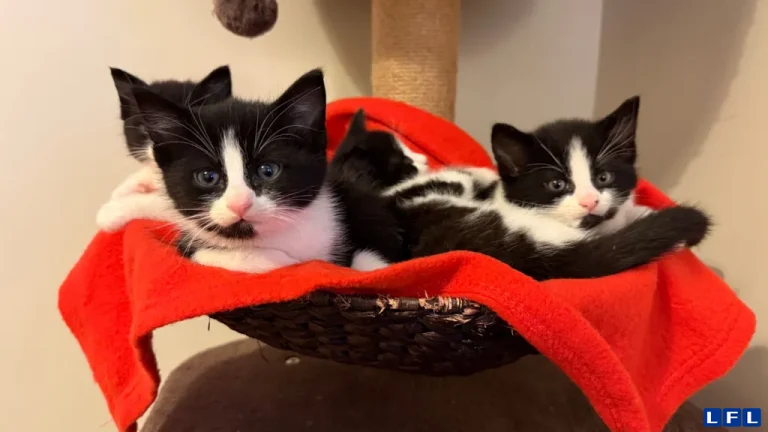
Each pet species has its own unique set of needs, and understanding these is key to creating a suitable habitat. Dogs require regular exercise, mental stimulation, and a secure outdoor space. Cats, on the other hand, benefit from vertical spaces, scratching posts, and interactive toys. For exotic pets like reptiles, understanding their habitat requirements such as temperature, humidity, and space is crucial.
Before making any changes to your home environment, take the time to research your pet’s specific needs. Resources like the ASPCA provide valuable information on a wide range of pets, helping you make informed decisions.
Designing a Safe Living Space
Safety should be your top priority when creating a pet-friendly environment. Start by pet-proofing your home similar to how you would child-proof it. Secure loose wires, block off access to small spaces where they might get stuck, and remove toxic plants or substances.
For dog owners, ensure your yard is fenced securely and free from hazards like sharp objects or toxic plants. Cats often enjoy both indoor and outdoor exploration, so consider installing a catio or secure balcony space. Birds, reptiles, and small mammals require cages or enclosures that are escape-proof and spacious.

Comfort and Accessibility
Comfort is another critical aspect of a pet-friendly environment. Provide cozy bedding for dogs and cats, along with quiet spaces where they can retreat and rest. If your pet is older or has mobility issues, consider ramps or steps to help them access furniture or favorite resting spots.
For smaller pets such as rabbits or guinea pigs, ensure their enclosures have ample space and are equipped with safe bedding materials. Temperature control is also vital for reptiles and amphibians, as they rely on their environment to regulate body heat. Reliable resources such as the Humane Society offer guidance on creating comfortable and accessible environments for all types of pets.
Enrichment and Entertainment
Enrichment is essential for preventing boredom and promoting mental health in pets. Dogs benefit from interactive toys, puzzle feeders, and regular playtime. Cats need stimulation in the form of climbing trees, scratching posts, and toys that mimic prey.
Birds thrive on toys that encourage foraging and problem-solving, while reptiles may enjoy exploring new textures and scents. Providing a variety of enrichment activities not only keeps your pet entertained but also strengthens your bond with them. For more ideas, the Petfinder website offers a plethora of information on pet enrichment.
Health and Hygiene
Maintaining good hygiene is vital for your pet’s health. Regular grooming, appropriate bathing routines, and dental care are essential for dogs and cats. Clean your pet’s living area frequently to prevent the build-up of bacteria and odors.
Ensure that your pet has access to fresh water at all times and feed them a balanced diet tailored to their species and age. Consult with your veterinarian about the best nutrition and care practices for your pet. Reliable sources like AVMA provide detailed pet care tips and health guidelines.

Takeaways
Creating a pet-friendly environment involves more than just providing the basics. It requires understanding your pet’s unique needs and making thoughtful adjustments to your home to ensure their safety, comfort, and well-being. By following the guidelines in this comprehensive guide, you’re well on your way to creating a nurturing space where your pet can thrive. Remember, a happy pet makes for a happy home, and the effort you put into creating a pet-friendly environment will be rewarded with love and companionship.
Building a Routine
Establishing a consistent routine is beneficial for both you and your pet. Animals thrive on predictability, and knowing when to expect food, walks, playtime, and rest helps reduce anxiety. For dogs, regular walks and feeding times can help with digestion and behavior. Cats often appreciate a routine that includes set playtimes and feeding schedules.
Even for small mammals and reptiles, a routine that includes consistent feeding and enclosure cleaning times can promote a sense of security. A structured routine can also help you better manage your time and ensure that all of your pet’s needs are met without feeling overwhelmed.
Socialization and Training
Socialization is crucial, especially for dogs, to ensure they grow up to be well-adjusted adults. Exposing them to different environments, people, and other animals can help prevent behavioral issues. Training goes hand-in-hand with socialization and provides mental stimulation while reinforcing good behavior.
Cats, although more independent, can also benefit from training, particularly in using litter boxes and managing scratching behavior. Birds, too, can be trained to perform specific tasks or tricks, which can be a fun and rewarding experience for both the pet and owner. Training should always be a positive experience, focusing on rewards and patience.

Travel and Transportation
When it comes to traveling with pets, preparation is key. Whether you’re going for a short trip to the vet or a long-distance move, ensuring your pet’s safety and comfort is essential. Invest in a sturdy, well-ventilated carrier for small animals and cats. Dogs might benefit from a safety harness or a secured crate when traveling by car.
If you’re planning air travel, familiarize yourself with the airline’s pet policies and ensure your pet has the necessary vaccinations and documentation. For those planning extensive travel, resources like the CDC provide guidelines on traveling with pets, ensuring you meet health and safety standards.
Community and Support
Engaging with a community of fellow pet owners can be incredibly beneficial. Whether it’s joining a local pet club, attending pet events, or participating in online forums, sharing experiences and advice can help you learn and grow as a pet owner. Communities can offer support, whether you’re dealing with a health issue, training challenge, or simply looking for recommendations on pet products.
Additionally, local shelters and rescue organizations often offer resources and support for pet owners, including training classes and socialization opportunities. By involving yourself in a community, you also contribute to the well-being of other pets and their owners.
Environmental Considerations
Consider the environmental impact of your pet care choices. Opt for eco-friendly pet products, such as biodegradable waste bags, sustainable pet toys, and natural grooming products. Reducing plastic use and choosing recyclable or compostable materials can significantly decrease your ecological footprint.
Moreover, spaying or neutering your pet can contribute to controlling pet overpopulation, which is a significant environmental and social issue. Resources like the World Wildlife Fund provide insights into sustainable practices and how they can be applied to pet care.

Final Thoughts
Creating a pet-friendly environment is an ongoing process that evolves as you and your pet grow together. It involves a commitment to understanding, adapting, and meeting your pet’s physical, emotional, and environmental needs. The joy and companionship that pets bring into our lives are unparalleled, and the effort invested in their care is a small price to pay for their loyalty and love.
By taking a holistic approach to pet care and continuously educating yourself, you can ensure a fulfilling and enriching life for your pet. Remember, the journey of pet ownership is one of mutual learning and respect, building a bond that enriches your life in countless ways.
Adapting to Changes
Life is full of changes, and being adaptable is vital when caring for a pet. Whether you’re moving to a new home, welcoming a new family member, or even adopting another pet, these changes can affect your pet’s routine and comfort. It’s essential to introduce changes gradually and provide reassurance through consistent routines and familiar comforts.
For example, when moving to a new house, set up a familiar area with your pet’s favorite toys, bedding, and items that carry the scent of your previous home. This can help ease the transition and reduce stress. Similarly, when introducing a new pet, ensure that the introduction is slow and supervised to establish a positive relationship from the start.
Monitoring Health and Wellness
Regular veterinary check-ups are crucial for maintaining your pet’s health. These visits allow for early detection of potential health issues and ensure that vaccinations and preventative care are up to date. Keep an eye on your pet’s behavior and physical condition; changes in appetite, energy levels, or appearance can often signal underlying health concerns.

A balanced diet and regular exercise are also fundamental components of your pet’s wellness. Tailor your pet’s diet to their specific needs, considering factors like age, weight, and any health conditions. Engaging them in daily physical activity not only promotes physical health but also provides mental stimulation.
Emergency Preparedness
Being prepared for emergencies is a vital aspect of responsible pet ownership. Create an emergency kit containing essentials like food, water, medications, and first aid supplies for your pet. Ensure that you have an evacuation plan that includes your pet, and familiarize yourself with pet-friendly shelters or accommodations in the event of a disaster.
Microchipping your pet and keeping their identification tags up to date can significantly aid in reuniting with them if they become lost during an emergency. Reliable information from organizations like the Ready.gov can guide you in preparing for emergencies with pets.
The Emotional Bond
Finally, never underestimate the power of the emotional bond you share with your pet. The love, companionship, and joy they bring into your life are immeasurable. Investing time in building this bond through shared activities, training, and simple moments of affection enriches both your lives.
Understanding your pet’s body language and vocalizations can deepen your connection and allow you to respond to their needs more effectively. Whether it’s the wagging tail of a dog, the purr of a cat, or the chirp of a bird, these expressions of happiness are genuine reflections of the care and love you provide.
Takeaways
Creating a pet-friendly environment is a multifaceted endeavor that requires time, effort, and a commitment to continuous learning. By focusing on the unique needs of your pet and fostering a safe, nurturing, and enriching environment, you can ensure a fulfilling and enjoyable lifestyle for both of you.
The journey of pet ownership is one of reciprocal love and companionship, offering endless rewards. By prioritizing the well-being of your pet, you not only enhance their quality of life but also enrich your own, building a lifelong bond filled with joy and mutual respect.
About the Author