Exploring the Benefits of an Active Lifestyle for Your Pet: Exercise and Nutrition Tips
As pet owners, we all want the best for our furry friends. Ensuring a healthy and active lifestyle is crucial for their well-being and longevity. Much like humans, pets require regular exercise and a balanced diet to thrive. In this article, we will delve into the numerous benefits of an active lifestyle for your pet, along with practical exercise and nutrition tips to help you keep your companion in top shape.
The Importance of Regular Exercise
Exercise is a fundamental component of a pet’s health regimen. It offers a myriad of benefits that extend beyond physical health to emotional and behavioral well-being. Regular physical activity can help prevent obesity, a common issue among pets, and reduce the risk of related diseases such as diabetes and joint problems.
Furthermore, exercise plays a pivotal role in maintaining mental health. For dogs, activities like walking, running, or playing fetch can alleviate boredom and reduce anxiety. Cats, while more independent, also benefit from interactive play that stimulates their natural hunting instincts.
Tailoring Exercise to Your Pet’s Needs
Not all pets have the same exercise requirements. Factors such as breed, age, and health status significantly influence how much and what type of activity is appropriate.
- Dogs: Most dogs need at least 30 minutes to 2 hours of exercise daily. Larger breeds or working dogs may require more, while smaller or older dogs may need less.
- Cats: Engage your cat with toys that mimic prey, like feather wands or laser pointers, for 15-30 minutes a day. This can help them maintain a healthy weight and mental acuity.
- Small mammals and birds: These pets require space to roam and explore. For example, rabbits benefit from supervised time outside their cages, while birds enjoy flying in a safe, enclosed area.
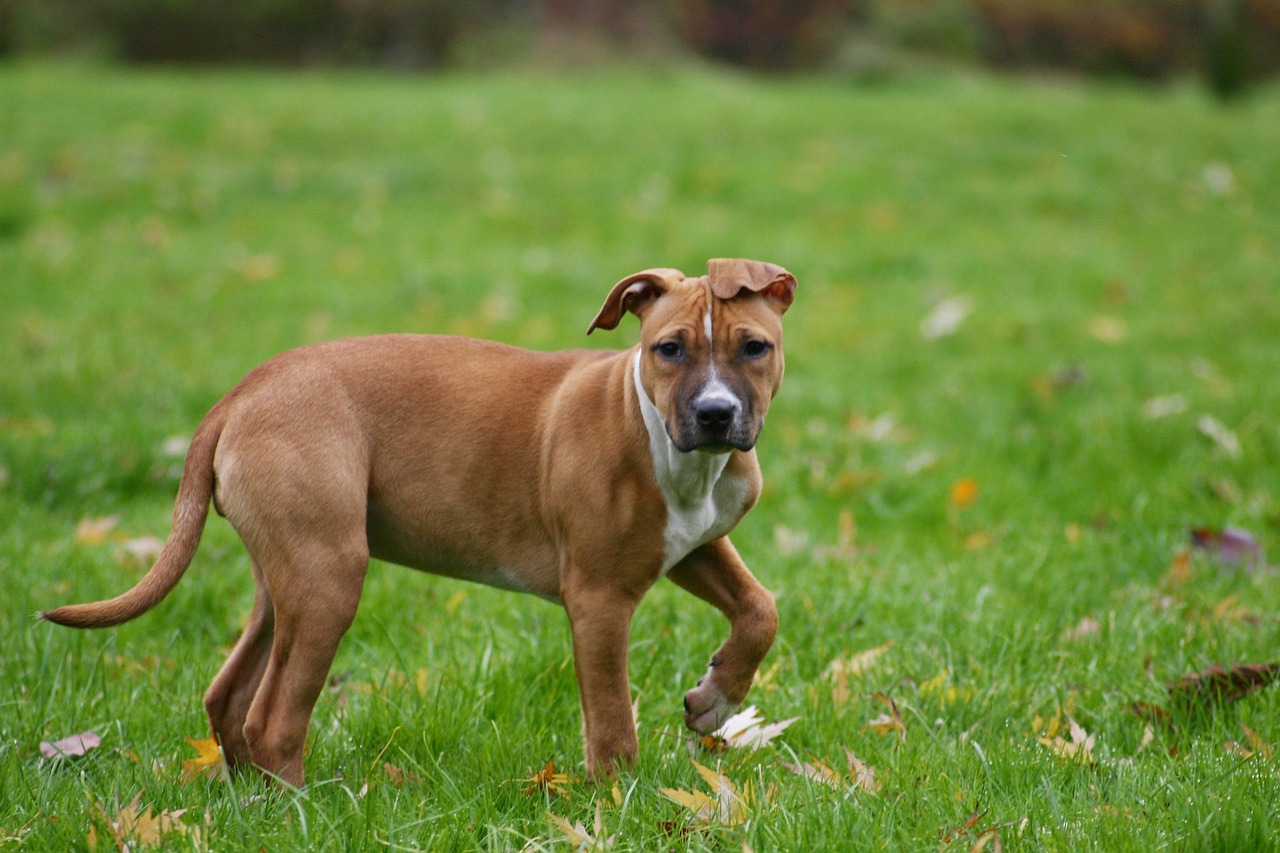
Regardless of your pet’s species, always consider their individual preferences and limitations. Consult with a veterinarian if uncertain about the appropriate exercise level for your pet.
Nutrition: The Foundation of Health
A well-balanced diet is essential to support an active lifestyle. Proper nutrition helps maintain ideal body weight, supports joint health, and provides the energy needed for daily activities. The right diet varies depending on your pet’s age, size, and health conditions.
For dogs, high-quality commercial dog food that meets AAFCO standards is recommended. It should include proteins, fats, carbohydrates, vitamins, and minerals. Similarly, cats require a diet rich in protein and fat, with specific attention to their need for taurine, an essential amino acid.
Always adjust portion sizes based on your pet’s activity level and monitor their weight regularly. Treats should account for no more than 10% of daily caloric intake to prevent overfeeding.
Hydration and Its Role in Pet Health
Hydration is often overlooked but is vital for your pet’s health, especially during and after exercise. Water aids in digestion, nutrient absorption, and temperature regulation. Ensure your pet has access to fresh, clean water at all times.
During hot weather or vigorous activity, pets may require increased water intake. Signs of dehydration include lethargy, dry gums, and excessive panting. If you observe these symptoms, provide water immediately and consult a veterinarian if they persist.

Safety Considerations for an Active Lifestyle
While exercise and play are essential, safety should always be a priority. Here are some tips to keep your pet safe:
- Monitor Temperature: Avoid exercising pets during extreme heat or cold. Hot pavement can burn paws, and cold weather can lead to hypothermia.
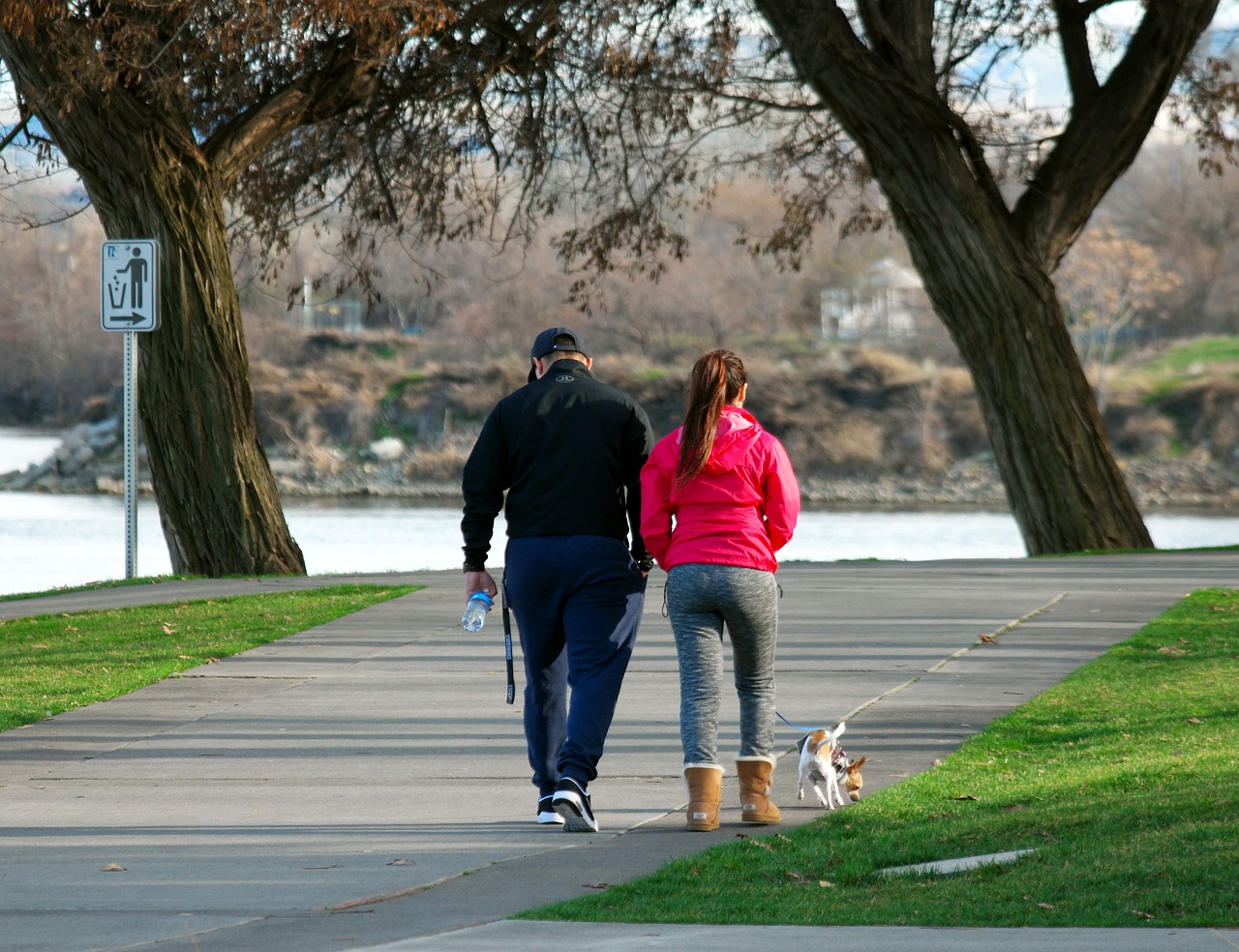
- Use a Leash: When outdoors, keep dogs on a leash unless in a secured, fenced area to prevent accidents or encounters with wildlife.
- Inspect Play Areas: Ensure that areas are free from hazards such as sharp objects or toxic plants.
- Gradual Increase: If starting a new exercise routine, gradually increase intensity to prevent injury.
By following these precautions, you can ensure that your pet remains safe while enjoying the benefits of physical activity.
Creating a Balanced Routine
To establish a balanced routine for your pet, consider integrating activities that cater to both their physical and mental needs. Rotate between different exercises and interactive play to keep them engaged. For instance, alternate between walks, agility training, and puzzle toys for dogs, or switch up toys and climbing structures for cats.
Consistency is key. Set aside time each day for these activities, and be attentive to your pet’s responses. A well-exercised pet is not only healthier but also more relaxed and better behaved.
Conclusion: A Commitment to Pet Wellness
Adopting an active lifestyle for your pet is a commitment to their overall wellness. By focusing on regular exercise, balanced nutrition, and proper hydration, you’re investing in a happier, healthier future for your furry friend. Remember, every pet is unique, and their needs may change over time. Stay observant, consult with professionals when needed, and most importantly, enjoy the journey with your pet.
For more information on keeping your pet healthy and active, visit reputable sources like The Humane Society or consult with your local veterinarian.
Understanding the Emotional Benefits of an Active Lifestyle
Beyond physical advantages, an active lifestyle has profound emotional and psychological benefits for your pet. Regular exercise can significantly improve your pet’s mood and reduce behavioral issues often associated with boredom or anxiety.
Engaging in physical activities releases endorphins, which act as natural mood elevators. For dogs, this can translate into reduced barking, digging, or chewing, behaviors often symptomatic of stress or lack of stimulation. Similarly, interactive play for cats can alleviate signs of depression and increase their overall happiness.
Moreover, spending quality time with your pet during exercise or play strengthens the bond between you. This connection is crucial for their emotional health, as pets thrive on companionship and attention from their owners.
Incorporating Training into Exercise
Exercise sessions provide an excellent opportunity to incorporate training, reinforcing good behavior and obedience. For dogs, you can integrate basic commands such as sit, stay, and come during walks or playtime. This not only enhances their discipline but also stimulates their cognitive abilities.
Training should always be positive and reward-based. Use treats, praise, or toys to reinforce desired behaviors. For instance, a game of fetch can double as a recall exercise, where you call your dog back to you before throwing the ball again.
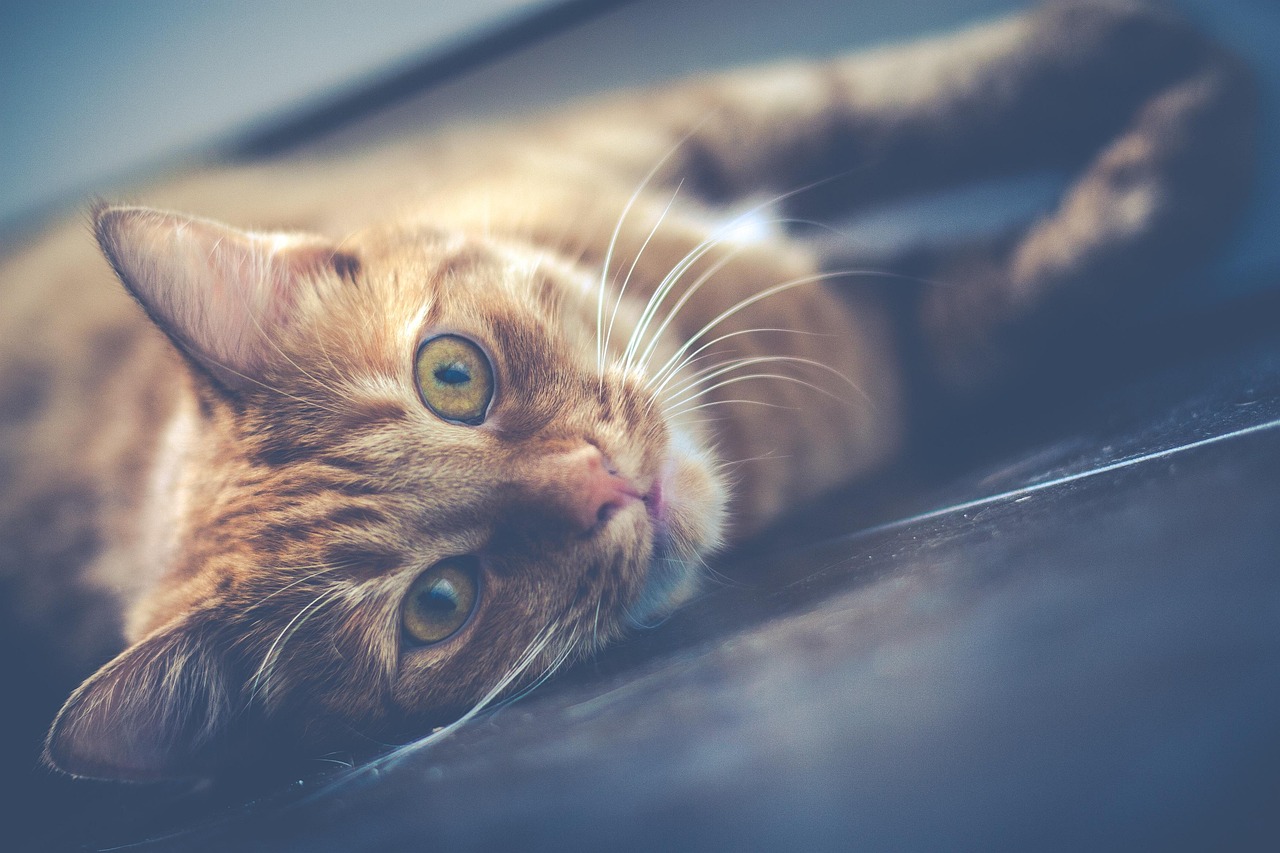
Cats can also benefit from training, although it often requires more patience and creativity. Teach them simple tricks using a clicker and treats, focusing on fun activities that mimic their natural behaviors.
Adapting to Life Stages
As pets age, their activity needs and capabilities will change. It’s essential to adapt their lifestyle to accommodate these shifts, ensuring they remain healthy without overexertion.
- Puppies and Kittens: Young animals have boundless energy but require shorter, more frequent exercise sessions. Focus on gentle play that encourages exploration and learning.
- Adult Pets: Maintain a consistent exercise routine that challenges them physically and mentally. This is the prime time to explore new activities and adventures.
- Senior Pets: Older pets may need less intense exercise. Opt for leisurely walks or gentle play that keeps them active without straining their joints.
Always be attentive to signs of fatigue or discomfort and adjust activities accordingly. Regular veterinary check-ups are vital to monitor health changes and modify their lifestyle as needed.
Exploring Different Types of Pet Exercise
Exercise doesn’t have to be a mundane routine. There are numerous ways to keep your pet active, each offering unique benefits:
- Walking and Hiking: Ideal for dogs, these activities allow exploration and socialization. Choose pet-friendly trails and always consider your pet’s physical limits.
- Swimming: Great for dogs with joint issues, swimming offers a full-body workout without stressing the joints. Always supervise your pet in the water.
- Agility Training: This engages both the mind and body, suitable for energetic dogs who enjoy learning new skills.
- Interactive Toys: For cats, toys like feather wands or electronic mice stimulate their hunting instincts and provide essential exercise.
- Social Play: Arrange playdates with other pets to enhance social skills and burn energy in a fun setting.
By diversifying activities, you can prevent boredom and keep your pet excited about exercise.
Monitoring and Adjusting Your Pet’s Health Plan
Regular assessment and adjustment of your pet’s exercise and nutrition plan are crucial. Changes in weight, energy levels, and behavior can indicate the need for modifications. For example, unexpected weight gain might require a review of their diet or an increase in activity.
Keep a journal of your pet’s activities, diet, and any health concerns. This can be valuable for veterinary visits and ensures you can make informed decisions about their care.
Remember, your veterinarian is a valuable resource. Regular check-ups and open communication about your pet’s lifestyle will help you maintain their health and happiness.
Final Thoughts on Pet Lifestyle
Embracing an active lifestyle for your pet is not merely a choice; it’s a commitment to their well-being and happiness. By understanding their needs, providing balanced nutrition, and engaging them in stimulating activities, you contribute to a fulfilling life for your beloved companion.
For more insights into optimizing your pet’s lifestyle, visit trusted resources like Cornell Feline Health Center or consult pet care experts. Your proactive approach will undoubtedly lead to a healthier and more joyful life for your furry friend.
About the Author