Exploring the Benefits of an Active Lifestyle for Your Pet: Exercise and Nutrition Tips
In today’s fast-paced world, maintaining an active lifestyle is essential not only for humans but also for our furry friends. Exercise and a well-balanced diet are crucial components of a pet’s overall well-being. This blog post delves into the myriad benefits of keeping your pets active, alongside practical exercise and nutrition tips to ensure they live a happy, healthy life.
The Importance of Exercise for Pets
Exercise is a cornerstone of a pet’s health, offering both physical and mental benefits. Regular physical activity helps maintain a healthy weight, reduces behavioral issues, and enhances the bond between you and your pet. Let’s explore these benefits in more detail.
Maintaining a Healthy Weight
Obesity is a common problem among pets, leading to various health issues such as diabetes, arthritis, and heart disease. Regular exercise helps burn calories, ensuring your pet maintains a healthy weight. Activities like walking, running, or playing fetch can significantly contribute to weight management.
Reducing Behavioral Issues
Pets, especially dogs, are naturally energetic creatures. Without adequate exercise, they may develop behavioral problems such as excessive barking, chewing, or digging. Regular physical activity helps channel their energy positively, reducing the likelihood of such issues.
Enhancing Mental Health and Bonding
Exercise is also crucial for your pet’s mental health. It stimulates their mind, reduces stress, and prevents boredom. Moreover, exercising with your pet strengthens your bond, fostering a deeper connection and understanding between you both.
Types of Exercises for Pets
Different pets have varying exercise needs based on their species, breed, age, and health status. Here, we outline some common exercises suitable for different types of pets.
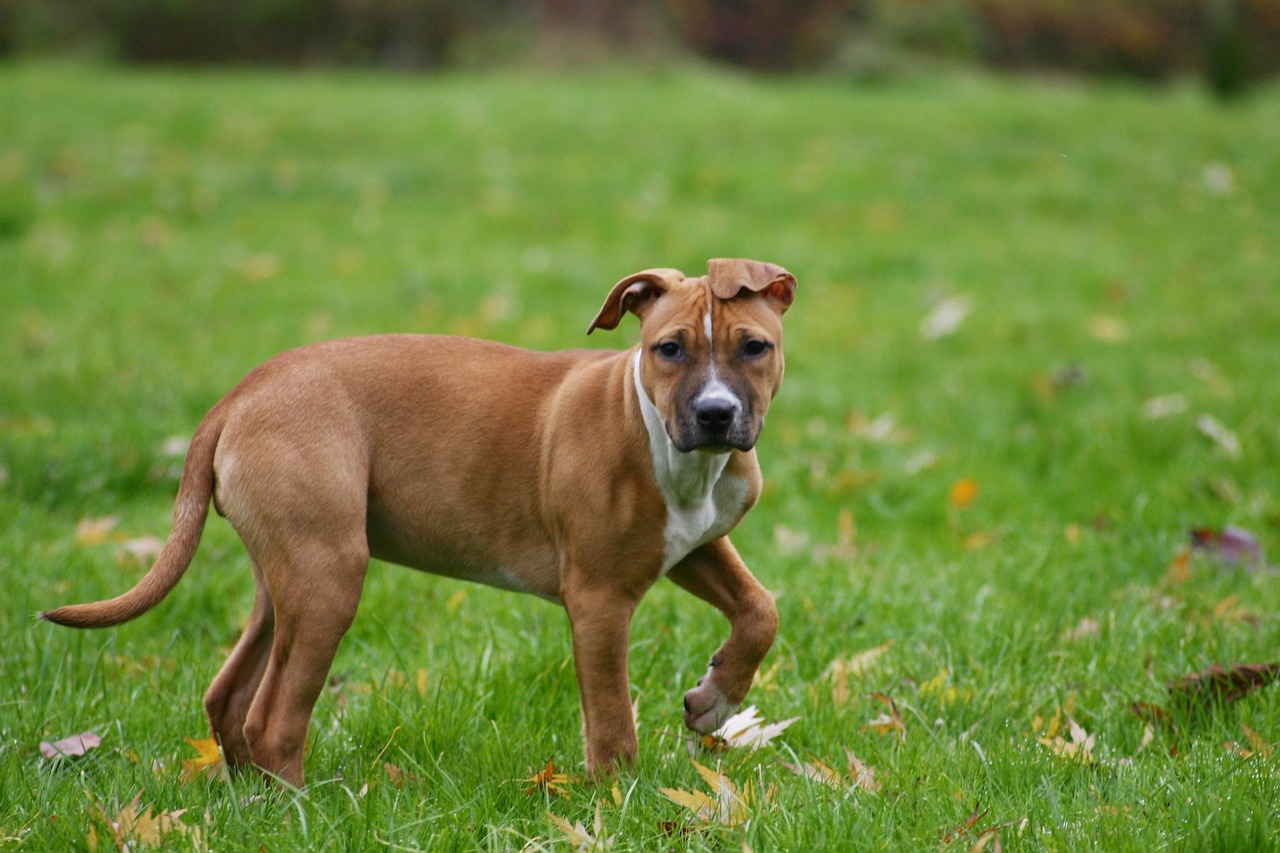
Exercises for Dogs
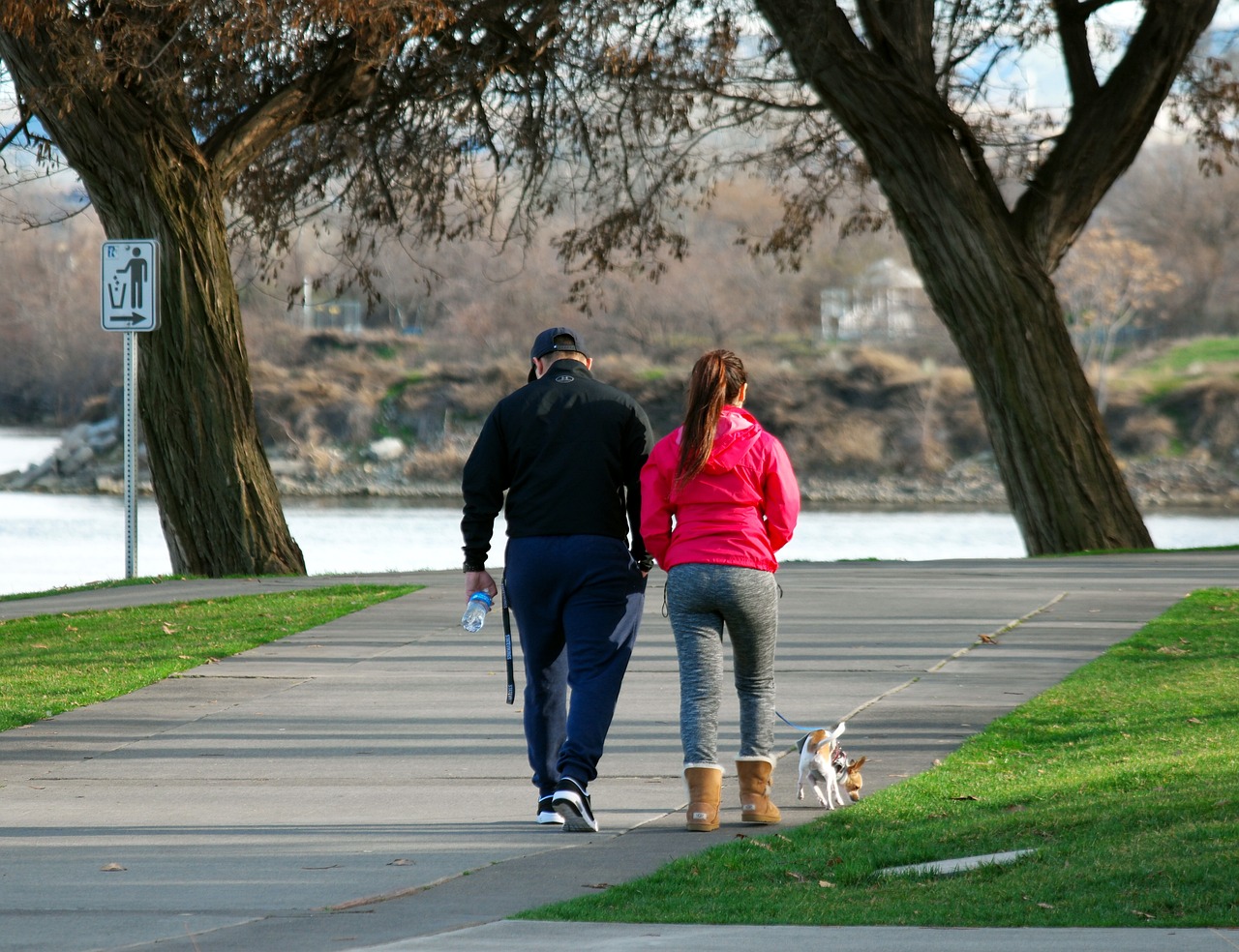
- Walking or Running: A daily walk or run is one of the simplest and most effective exercises for dogs. It helps with weight control and provides mental stimulation.
- Fetch: Playing fetch is an excellent way to exercise your dog while also strengthening your bond.
- Agility Training: Set up an agility course in your backyard or visit a local dog park. This type of exercise is both physically and mentally stimulating.
Exercises for Cats
- Interactive Toys: Use toys like laser pointers or feather wands to encourage your cat to chase and pounce, mimicking natural hunting behavior.
- Climbing Structures: Install cat trees or shelves that allow your cat to climb and explore different heights.
- Fetch: Contrary to popular belief, some cats enjoy playing fetch with small toys.
Exercises for Small Pets
- Hamsters and Gerbils: Provide exercise wheels and tunnels to allow natural burrowing and running behaviors.
- Rabbits: Allow rabbits to roam in a safe space where they can hop and explore freely.
Nutrition Tips for a Healthy Pet Lifestyle
Alongside exercise, proper nutrition is vital for your pet’s health. A balanced diet tailored to your pet’s specific needs helps maintain energy levels, supports a healthy coat, and boosts the immune system.
Understanding Your Pet’s Nutritional Needs
Different pets require different nutritional balances. It’s essential to understand your pet’s dietary needs based on their species, age, weight, and health conditions. Consulting with a veterinarian can help tailor an appropriate diet plan.
Choosing the Right Pet Food
When selecting pet food, look for high-quality brands that provide a balanced mix of proteins, fats, and carbohydrates. Avoid foods with excessive fillers or artificial additives. Reading the pet food labels carefully can help you make an informed decision.
Homemade Diets
Some pet owners opt for homemade diets to have more control over the ingredients. If you choose this route, ensure the meals are nutritionally balanced. Consulting with a veterinary nutritionist can provide guidance on necessary vitamins and minerals.
Hydration is Key
Water is a crucial component of your pet’s diet. Ensure your pet has constant access to fresh, clean water. Proper hydration aids digestion and supports overall health.
Monitoring Your Pet’s Health
Regular monitoring of your pet’s health is integral to maintaining their active lifestyle. This includes routine veterinary check-ups, weight management, and observing any changes in behavior or appetite.
Regular Veterinary Check-ups
Regular visits to the vet can help detect potential health issues early. Your veterinarian can provide advice on diet, exercise, and vaccinations tailored to your pet’s needs.
Weight Management

Keep track of your pet’s weight through regular weigh-ins. Significant weight gain or loss could indicate underlying health issues. Consult your vet if you notice any drastic changes.
Observing Behavioral Changes
Changes in behavior, such as lethargy or decreased appetite, can be signs of health problems. Being attentive to these changes ensures timely intervention and treatment.
Takeaways
An active lifestyle enriched with proper exercise and nutrition is vital for your pet’s overall well-being. By understanding their specific needs and incorporating regular exercise and a balanced diet, you can enhance their quality of life significantly. Always remember to consult with professionals like veterinarians and pet nutritionists to tailor the best plan for your furry friend. Embrace the journey of keeping your pet healthy and happy, and enjoy the lifelong companionship they offer.
For more comprehensive insights on pet care, you can visit reputable resources like the ASPCA or the American Veterinary Medical Association.
Additional Tips for an Active Pet Lifestyle
Beyond the essential exercise and nutrition aspects, there are additional factors to consider when promoting an active lifestyle for your pet. These include mental stimulation, socialization, and creating a safe environment for your pet to thrive.
Mental Stimulation

Just like physical exercise, mental stimulation is crucial for keeping your pet’s mind sharp and engaged. Interactive toys, puzzle feeders, and training sessions can provide the mental challenges that pets need. For instance, teaching your dog new tricks or commands can be both mentally and physically rewarding. Similarly, hiding treats around the house for your cat to find can simulate their natural hunting instincts.
Socialization
Socialization is another critical aspect of an active pet lifestyle. Regular interaction with other animals and people helps reduce anxiety and fear. Consider taking your dog to a local park or attending pet-friendly events. For cats, short supervised outdoor excursions in secure areas or using a leash can provide valuable interaction with their environment.
Creating a Safe Environment
Ensuring a safe and stimulating environment is essential for your pet’s activity. For indoor pets, provide plenty of space to move around and explore. Secure any hazardous areas or substances that could pose a risk. Outdoors, ensure your yard is fenced and free of dangerous objects.
Dealing with Exercise Challenges
While exercise is beneficial, some pets may face challenges that require special attention. Older pets, those with health conditions, or breeds prone to certain ailments might need tailored exercise routines.
Adapting Exercise for Older Pets
As pets age, their energy levels and physical capabilities may decrease. However, regular gentle exercise is still vital for their health. Opt for low-impact activities, such as leisurely walks or swimming, which can be easier on the joints. Monitor their response to exercise and adjust as needed to prevent overexertion.
Special Considerations for Pets with Health Issues
Pets with specific health issues, such as heart conditions or arthritis, require special consideration. Consult your veterinarian to design an appropriate exercise plan that accommodates their limitations. Activities like hydrotherapy or short, frequent walks can be beneficial for such pets.

Breed-Specific Exercise Needs
Certain breeds have specific exercise needs. For example, high-energy breeds like Border Collies require more vigorous activity compared to breeds like Bulldogs, which may need less strenuous exercise due to respiratory issues. Understanding your pet’s breed characteristics can help tailor the right exercise routine.
Resources for Pet Owners
Staying informed and educated is vital for maintaining your pet’s active lifestyle. Numerous resources are available to help pet owners access the latest information and advice.
Online Communities and Forums
Joining online pet communities and forums can provide valuable insights from fellow pet owners. Platforms like Pet Forums offer a space to share experiences, ask questions, and receive support.
Professional Guidance
Consulting with professionals such as veterinarians, pet trainers, and nutritionists is invaluable. They can provide tailored advice and recommendations based on your pet’s specific needs and conditions.
Educational Articles and Books
Reading educational materials can deepen your understanding of pet care. Books and articles written by experts offer comprehensive insights into various aspects of pet health and lifestyle.
Final Thoughts
Embracing an active lifestyle for your pet involves a holistic approach that combines exercise, nutrition, mental stimulation, and socialization. By staying attentive to their needs and adjusting routines as necessary, you can ensure your pet leads a fulfilling and enriched life. Always seek professional guidance when in doubt and cherish the joyous moments shared with your pet. Remember, a healthy pet is a happy pet, and your efforts in promoting their active lifestyle will undoubtedly enhance the quality of life for both of you.
About the Author