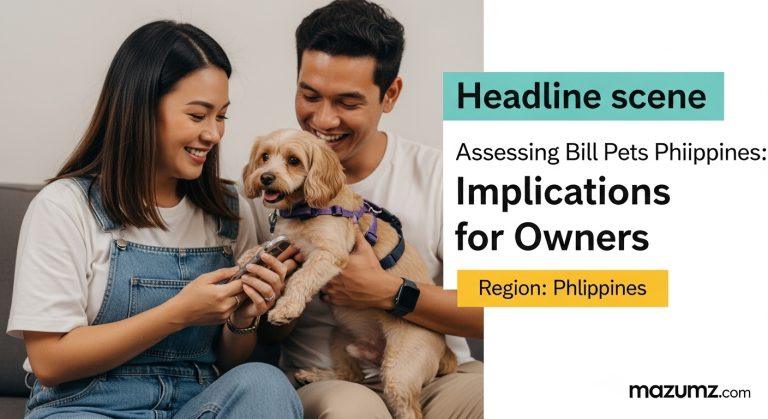
Across urban and rural Philippines, pet ownership is mutating from a niche hobby into a steady feature of daily life. This moment sits at the crossroads of the pet Pets Philippines phenomenon, where families treat cats and dogs as members of the household and where access to care, education, and support shapes how far that bond can go.
A changing landscape of care and access
Filipino households increasingly seek preventive care, but geographic and economic barriers persist. Mobile clinics, school-based vaccination drives, and NGO partnerships are expanding options beyond traditional clinics. A recent event at the Capitol Complex, where the Provincial Veterinary Office and partner groups offered free veterinary services, illustrates both demand and capacity limits for the public welfare system.
While these initiatives lower immediate costs, they also highlight the fragility of affordability and access for rural and low-income households. The result is a care landscape where many families optimize for what they can access today, rather than what is ideal for long-term health.
Policy, partnerships, and community mobilization
Public sector leadership coupled with non-governmental organizations is increasingly common in the Philippines’ pet welfare space. Local units, veterinary offices, and civil society groups coordinate vaccination days, spay-neuter drives, and education campaigns that reach communities not served by private clinics. The approach mirrors a broader One Health framework that ties animal welfare to human health, environment, and economic resilience.
These partnerships also surface gaps—such as sustained funding, supply chain reliability for vaccines and microchips, and the need for standardized reporting so communities can measure progress over time.
Economic realities and daily routines
For many Filipino families, keeping a pet is a meaningful investment that competes with other household priorities. Routine vaccinations, preventive care, and occasional medical visits add up, especially when a clinic is not nearby or when a pet requires specialist attention. Food costs, grooming, and accessories also influence decision-making, sometimes narrowing options to essentials rather than comprehensive care.
Urban households may find more clinics and services nearby, while rural areas rely on outreach teams and mobile units. In both cases, affordability, reliability, and cultural expectations around pet companionship shape how decisions are made and how long bonds can endure.
Toward a humane, sustainable model
Experts and advocates argue for a holistic strategy that combines accessible preventive care with population management and durable community support. Spay/neuter programs, expanded shelter networks, and microchipping are central to reducing unwanted litters and easing pressure on existing facilities. Education campaigns that teach humane handling, responsible ownership, and basic first aid can empower families to care for pets over the long term.
In parallel, policy guidance and funding at the local government level are needed to scale successful pilots, consolidate data, and link welfare services with broader health and social protection programs. The result could be a more predictable, equitable environment for both people and their animal companions.
Actionable Takeaways
- For households: maintain a simple preventive care plan, seek local vaccination days, and consider microchipping to protect pets during emergencies.
- For local governments: expand mobile clinics and subsidized vaccines, support shelters, and promote humane stray management with community involvement.
- For NGOs and businesses: develop affordable care packages, partner with veterinary networks, and fund education campaigns on responsible ownership.
- For media and researchers: track welfare metrics, publish accessible resources, and highlight best practices from diverse Philippine communities.
Source Context
From an editorial perspective, separate confirmed facts from early speculation and revisit assumptions as new verified information appears.
Track official statements, compare independent outlets, and focus on what is confirmed versus what remains under investigation.
For practical decisions, evaluate near-term risk, likely scenarios, and timing before reacting to fast-moving headlines.
Use source quality checks: publication reputation, named attribution, publication time, and consistency across multiple reports.
Cross-check key numbers, proper names, and dates before drawing conclusions; early reporting can shift as agencies, teams, or companies release fuller context.
When claims rely on anonymous sourcing, treat them as provisional signals and wait for corroboration from official records or multiple independent outlets.
Policy, legal, and market implications often unfold in phases; a disciplined timeline view helps avoid overreacting to one headline or social snippet.