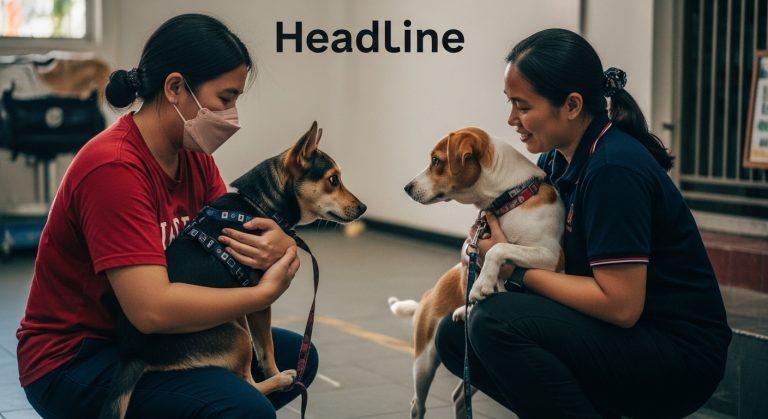
In the Philippines, the phrase pets Pets Philippines signals more than affection for animals; it frames how households, communities, and policymakers think about welfare, affordability, and resilience in a country where urban density and coastal living intersect with vibrant street culture. This analysis situates pet ownership within broader social and economic threads, tracing how daily acts—feeding a stray, vaccinating a dog, or adopting a cat from a shelter—are shaped by budgets, infrastructure, and public health commitments.
Current landscape for pets in the Philippines
The Philippines hosts a diverse spectrum of pet ownership, with dogs and cats comprising the majority of companion animals in urban centers and provincial towns. In metropolitan areas, households often balance space constraints with rising demand for veterinary care, pet food, and grooming services. The presence of shelters and rescue groups has grown alongside urban adoption events, yet the reality of stray animals remains visible in both crowded streets and quieter residential lanes. Public health initiatives, including rabies vaccination campaigns and animal welfare education, influence everyday decisions—from where families obtain vaccines to how they monitor pet health. Across neighborhoods, the welfare of companion animals increasingly maps onto broader questions of community safety, crowding, and municipal service delivery, underscoring that responsible ownership is not just a private choice but a public concern.
Local governments, NGOs, and private clinics are continually adapting to demand, often filling gaps in access to vaccines, parasite control, and preventive care. The trend toward pet ownership as a source of companionship and mental well-being is tempered by economic realities: veterinary costs, pet food affordability, and the availability of trustworthy information. In this context, adoption and responsible ownership hinge on reliable services, community support, and transparent guidance that helps families make sustainable choices for their animals and themselves.
From a policy lens, there is a push to formalize licensing, vaccination tracking, and welfare standards while also addressing stray populations through humane management. This involves balancing compassion with practical resources and ensuring that animal welfare aligns with public health goals. When families can access low-cost vaccines, reliable microchipping, and clear adoption pathways, pets become integrated into household budgets and routines rather than treated as ad hoc expenditures. The result can be a more stable, compassionate ecosystem for animals and people alike.
Economic and social drivers
Economic conditions shape every decision around pet care. In a country where median incomes vary widely across regions, discretionary spending on routine veterinary visits, preventive care, and premium pet foods competes with essential household needs. The growth of online marketplaces and social media has expanded access to pet products, but it has also increased the risk of misinformation about care practices and product safety. Families increasingly view pets as health and social-emotional assets—yet this view is only as strong as the affordability and reliability of services that sustain pet well-being.
Demographic trends, including a young, urbanized population and high mobile connectivity, are propelling new forms of pet ownership and community engagement. Pet ownership often intersects with housing policies, where rental markets and apartment rules can either restrict or enable keeping pets. Moreover, disaster-prone areas push pet welfare into emergency planning, requiring shelters, evacuation readiness, and community networks that can scale care during crises. In this landscape, the well-being of pets is inseparable from how households manage time, income, and access to services, making practical, affordable care a cornerstone of urban life.
Community and social norms also play a pivotal role. Educational campaigns, school programs, and faith-based or neighborhood groups increasingly promote humane treatment of animals and responsible ownership. When these efforts are coupled with affordable services and clear information, households are better equipped to manage preventive care, vaccination schedules, and early treatment for common conditions. The result is a more resilient pet-owning culture that supports healthier pets and more stable households.
Policy gaps and practical solutions
Despite progress, policy gaps hinder consistent welfare outcomes. Licensing requirements for pet ownership, vet licensing, and standardized vaccination records are unevenly enforced across municipalities, creating inconsistency in how pets are cared for and tracked. Stray animal management remains a sensitive and resource-intensive issue, requiring humane, data-informed approaches that minimize suffering while protecting public health. Supply constraints—ranging from vaccine stock to affordable microchips—also limit areas where families live and work.
To close these gaps, practical steps can be implemented without requiring sweeping fiscal overhauls. Local governments can pilot subsidized vaccination programs and microchip drives in high-need districts, partnering with NGOs and private clinics to extend reach. Transparent adoption and welfare guidelines—posted in clinics, shelters, and community centers—help families understand responsibilities and expectations. Training programs for volunteers and shelter staff can improve intake processes and post-adoption support, reducing returns and increasing long-term pet stability. Finally, embedding pet welfare into disaster risk reduction plans ensures pets are considered in evacuation routes, shelters, and relief packages, creating a more holistic and resilient urban fabric.
The practical takeaway is that incremental policy nudges—focus on accessibility, affordability, and accountability—can compound over time, delivering tangible benefits for pets and people. When LGUs coordinate with civil society and the private sector, the system becomes more predictable, reducing costs for families and increasing trust in welfare programs.
Future scenarios for pet ownership
Looking ahead, technology-enabled services and community-driven models could reshape how Filipinos care for pets. Tele-veterinary consultation, digital vaccination records, and mobile clinics can bridge gaps in rural and congested urban areas, while microfinance-like schemes for bulk purchases of vaccines and preventive care reduce upfront costs for families. As housing policies gradually adapt to pet-friendly norms, more households may welcome animals into rental homes, provided there are clear guidelines for pet behavior, waste management, and shared facilities.
In climate- and disaster-prone settings, resilient pet care becomes part of neighborhood preparedness. Communities that train volunteers, establish temporary shelters, and maintain reliable supply chains for food and medical supplies can weather disruptions with less animal suffering. If these systems scale, pets can emerge not as a burden but as an integral element of social resilience and mental well-being, reflecting a more holistic approach to urban living in the Philippines.
Actionable Takeaways
- Advocate for localized vaccination and microchip drives funded through public-private partnerships to improve reach and affordability.
- Expand adoption programs and shelter networks with clear intake, foster, and post-adoption support to reduce returns.
- Standardize basic welfare information in clinics and shelters, including care guidelines, vaccination schedules, and responsible ownership responsibilities.
- Integrate pet welfare into disaster risk reduction plans, ensuring pet-friendly evacuation and shelter options during emergencies.
- Promote affordable tele-veterinary services and digital records to improve access to care, especially in underserved areas.
- Encourage housing policies that recognize responsible pet ownership and provide clear guidelines for landlords and tenants.