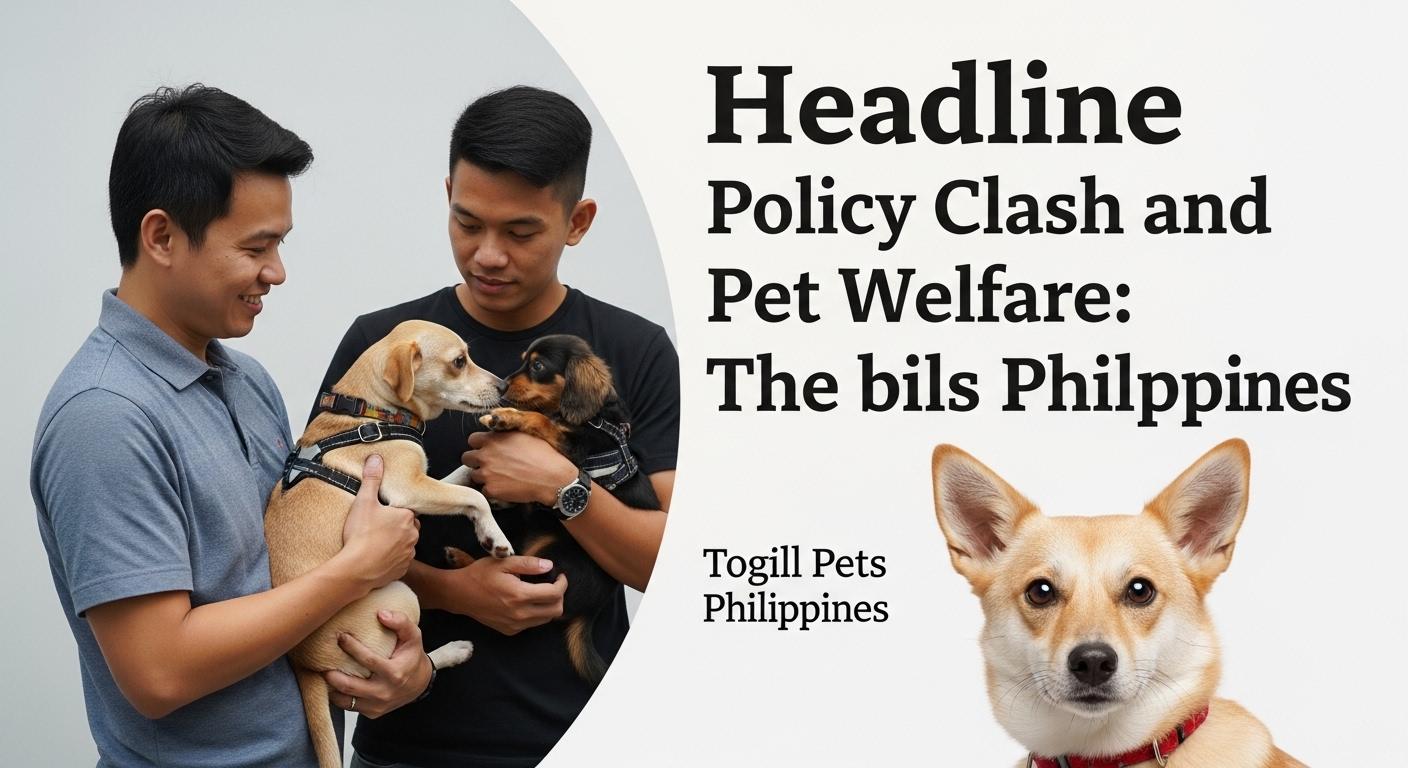
The bill Pets Philippines signals a turning point for how households, communities, and regulators approach pet ownership. As lawmakers weigh booster testing options and welfare standards, the measure invites a broader reckoning about the state’s role in protecting both animal and human health across the archipelago.
Policy Backdrop
In the Philippines, animal welfare and public health policy operates within a mix of national frameworks and local ordinances. The current landscape emphasizes rabies control through vaccination campaigns, responsible ownership, and penalties for cruelty—but practical gaps persist in rural areas where access to veterinary care is uneven. The bill Pets Philippines enters this scene as a test of whether the system should lean more heavily on preventative rules or create flexibility through testing and phased boosters. Proponents argue that certain pets could reduce routine costs and administrative friction through validated testing, while critics warn that loosening booster requirements may undermine progress toward sustained rabies elimination. The question is not only about pet care; it is about how policy balances risk, access, and accountability across a country marked by distance between islands and provinces.
Public Health and Pet Welfare
Vaccination is, in effect, a barrier against rabies—the disease most feared in barangays and cities alike. A testing-out option for boosters would, on paper, ease the burden on owners who face long trips to clinics or consecutive annual expenses. In practice, such a shift would require robust verification of test results, standardized protocols for exceptions, and reliable supply chains to ensure that protective immunity remains intact when boosters are deferred. Advocates for the policy warn that if testing or partial immunization becomes widespread without careful monitoring, pockets of under-immunized animals could emerge in underserved communities. The One Health perspective—recognizing the interconnected health of animals, people, and ecosystems—argues for data-driven pilots, transparent dashboards, and continuous evaluation rather than sweeping reform. The Philippines’ archipelagic geography makes this balancing act particularly delicate: a policy change that works in Metro Manila could have ripple effects in far-flung provinces where veterinary access is limited and miscommunication about requirements is common.
Economic and Social Impacts
Pet care is a growing market in the Philippines, spanning vaccines, microchips, grooming, and insurance-like services offered by clinics and pet stores. A bill that changes vaccination dynamics could shift demand in these sectors, with clinics investing in new testing capabilities or electronic records, and owners recalibrating annual expenses. For many households, even modest changes in veterinary costs can determine whether a pet remains in the family or becomes a challenge to sustain. Municipalities with stronger veterinary networks may respond quickly to policy shifts, while rural areas could experience uneven implementation. From a macro perspective, the policy debate also touches on equity: affordable access to compliant care should not be a privilege of the urban middle class. A measured approach would couple policy refinements with targeted subsidies or community outreach, ensuring that animal welfare improvements do not widen gaps in health outcomes or pet retention rates across the country.
Case Studies from the Philippines
Negros Oriental’s recent veterinary updates illustrate how regional programs can advance animal health objectives, even as national policy evolves. Local authorities announced progress toward disease surveillance and vaccination campaigns, highlighting a context in which tightly coordinated veterinary networks deliver results that reduce outbreaks and protect livelihoods—from farmers to pet owners. While the news focused on foot-and-mouth disease logistics rather than rabies, it underscores the broader principle that governance, data sharing, and cross-sector coordination matter when policymakers consider any reform to animal health rules. In this sense, the Philippines’ diverse provinces offer both cautionary lessons and promising blueprints: if a policy like the bill Pets Philippines is designed with clear milestones, measurable outcomes, and community engagement, it could align public health goals with the realities of daily pet ownership across islands and towns.
Actionable Takeaways
- Policy makers: implement a phased pilot with clear success metrics, ensure data transparency, and build a robust oversight mechanism for any testing-out provisions.
- Veterinarians and clinics: invest in standardized record-keeping, training for new protocols, and community outreach to explain the rationale behind booster testing options.
- Pet owners: stay informed about official requirements, keep vaccinations up to date, and seek credible guidance when considering testing-out exemptions.
- Local governments: ensure equitable access to veterinary services by subsidizing clinics in underserved areas and coordinating with national programs for supply continuity.
- Media and educators: provide balanced reporting and public education to demystify the policy, addressing myths about immunity and pet outcomes.
- Advocacy groups: push for transparent pilots, accountability mechanisms, and protections for vulnerable pet owners in remote communities.
Source Context
Actionable Takeaways
- Track official updates and trusted local reporting.
- Compare at least two independent sources before sharing claims.
- Review short-term risk, opportunity, and timing before acting.