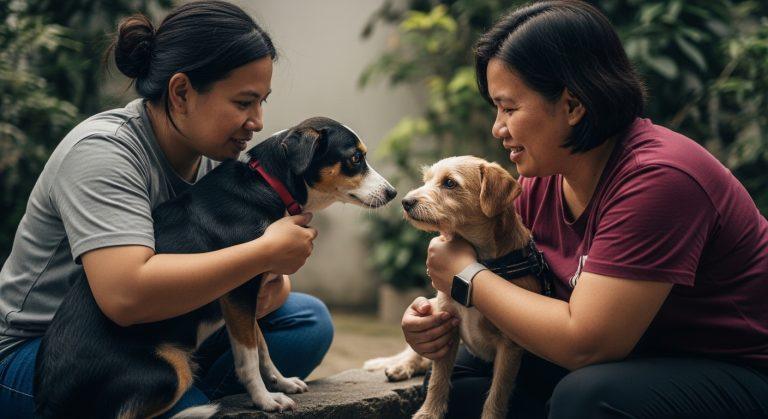
This week’s Pets Philippines reveals a landscape where affection, budgeting, and preparedness collide for Filipino households, prompting a closer look at how care is shaped by city life, climate risks, and evolving markets. Across urban corridors from Manila to Davao, pet ownership has become a lens into family budgeting, neighborhood dynamics, and the informal economy of pet goods and services. The questions are practical: what does responsible ownership look like in a country prone to typhoons, floods, and urban congestion? And what roles do families, communities, and policy makers share in shaping a safer, healthier everyday for pets and people alike?
Context: A Philippines Pet Ownership Landscape
In Philippine cities and towns, the domestic pet has evolved from a rural symbol into a daily companion in compact apartments and busy streets. Affection for animals is strong, yet the resources to care for them—timely vaccinations, reliable veterinary care, and safe housing—are unevenly distributed. Shelters and rescue groups operate at scale, but they contend with space constraints, funding gaps, and a steady influx of animals that relies on volunteers and donors. Vets note rising urban demand for routine services like spaying, microchipping, and preventive care, which can still be costly for many families. At the same time, pet ownership intersects with disaster preparedness: typhoons, floods, and power outages require owners to think about evacuation plans, portable food, and identification for pets that might otherwise be left behind.
Structural Barriers to Responsible Pet Care
Beyond sentiment, everyday care is a matter of economics and access. Travel distances to clinics, the price of vaccines, and the cost of nutritious food shape what owners can reasonably provide. Microchipping and regular veterinary visits, while recommended, are not universal practices, leaving many pets without formal identification or a medical history that could ease emergencies. Licensing, where available, adds another administrative layer that can be informal or inconsistent across cities. For many families, the more urgent concern is simply keeping a pet fed and safe during a sudden weather event or a traffic gridlock that makes clinic trips impractical. Social networks and local markets fill gaps but vary widely in quality and reliability, creating a patchwork of care that can frustrate even well-intentioned guardians.
Strategies for Households and Communities
Practical steps can translate affection into durable welfare. A modest but concrete starting point is a monthly pet budget that covers preventive care, food, and an emergency fund. Microchipping and ID tags dramatically improve the chances a lost pet is reunited with its family, especially in dense urban areas. Vaccination schedules and annual checkups remain essential, even when costs are a hurdle—vaccinations protect pets from widespread diseases and reduce long-term treatment expenses. Adoption from shelters and rescue groups is a humane option that also strengthens community networks; volunteers often offer guidance on care and behavior, which pays dividends in reduced returns and abandoned animals. Preparedness is not optional: local evacuation plans should consider pets, and households should assemble lightweight kits that include water, a small supply of food, and a list of medications. City-district collaborations with mobile clinics, spay-neuter drives, and public education campaigns can extend reach without imposing unaffordable costs on families.
Policy Signals and Industry Trends
Policy frameworks shape what is possible. The Philippines has long debated the balance between animal welfare and household practicality, with the Animal Welfare Act as a reference point for basic protections, enforcement standards, and penalties for neglect. Public agencies, including the Bureau of Animal Industry, are increasingly coordinating with local governments to promote vaccination, licensing, and emergency response planning that includes pets. The private sector is expanding in areas like tele-vet services, mobile clinics, and pet-supply accessibility, though the quality and pricing of services can vary. As urban planners consider pedestrian-friendly neighborhoods, there is growing momentum to create more pet-friendly public spaces and to standardize microchip registries so that a lost animal can be identified quickly, regardless of where it is found. The trend is toward a sourcing ecosystem that is transparent about product safety, labeling, and the availability of affordable preventive care—an important shift for households trying to budget for a pet across a long lifecycle.
Actionable Takeaways
- Set up a dedicated monthly pet fund that covers preventive care, vaccines, and an emergency reserve.
- Microchip every pet and keep ID tags up to date with current contact information.
- Schedule regular veterinary checkups and follow a preventive care calendar to avoid costly illnesses.
- Consider adoption from shelters or rescue groups to provide a home for animals in need and support community welfare.
- Involve neighbors and local groups in disaster planning for pets, including evacuation routes and shared pet-care resources.
- Shop from reputable suppliers and verify product safety to avoid costly or unsafe pet foods and treats.
- Support mobile clinics and low-cost vaccination drives in your district to improve access for low-income households.
- Advocate for clear licensing practices and easy-to-understand guidance from local governments on pet welfare standards.